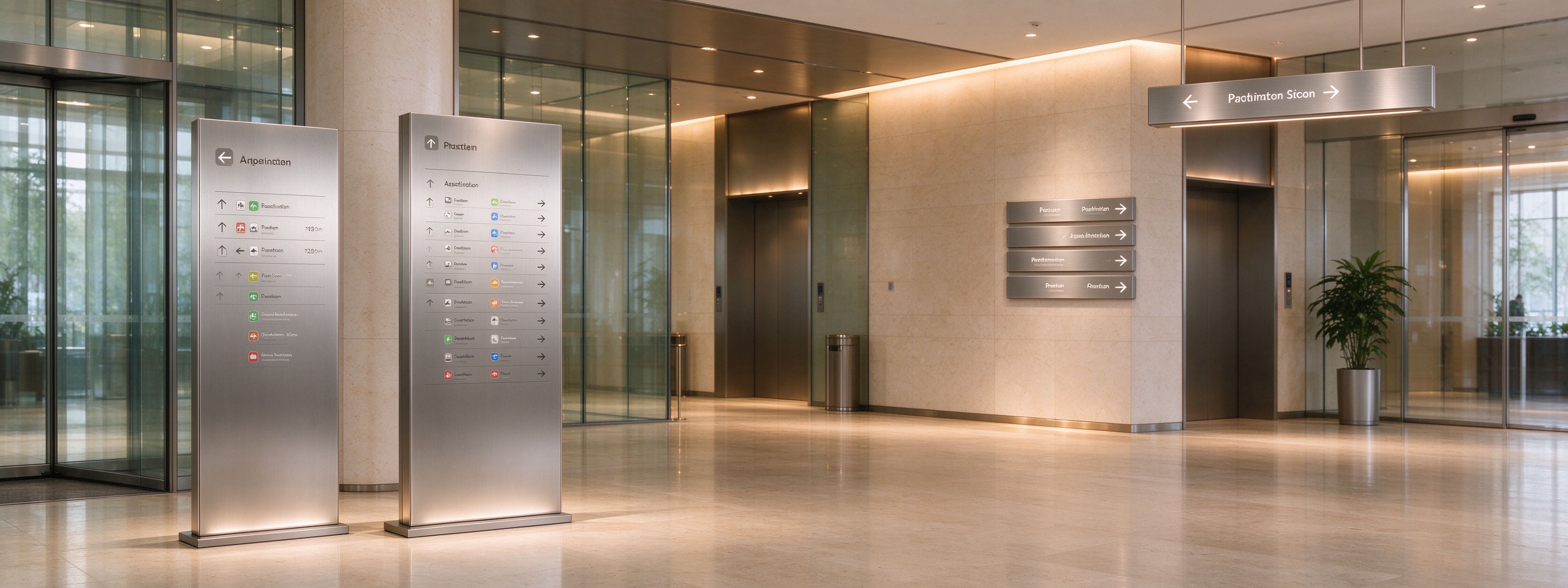
ADA sign compliance looks simple until a project fails inspection over a sign that was an inch too high or missing Braille. The standard is specific about dimensions, mounting height, character size, and contrast, and those details are what separate a sign that passes from one that gets ripped down and remade. This guide collects the rules buyers actually need: where signs go, how big the characters must be, what Braille is required, and why contrast matters as much as placement.
Where tactile signs are required
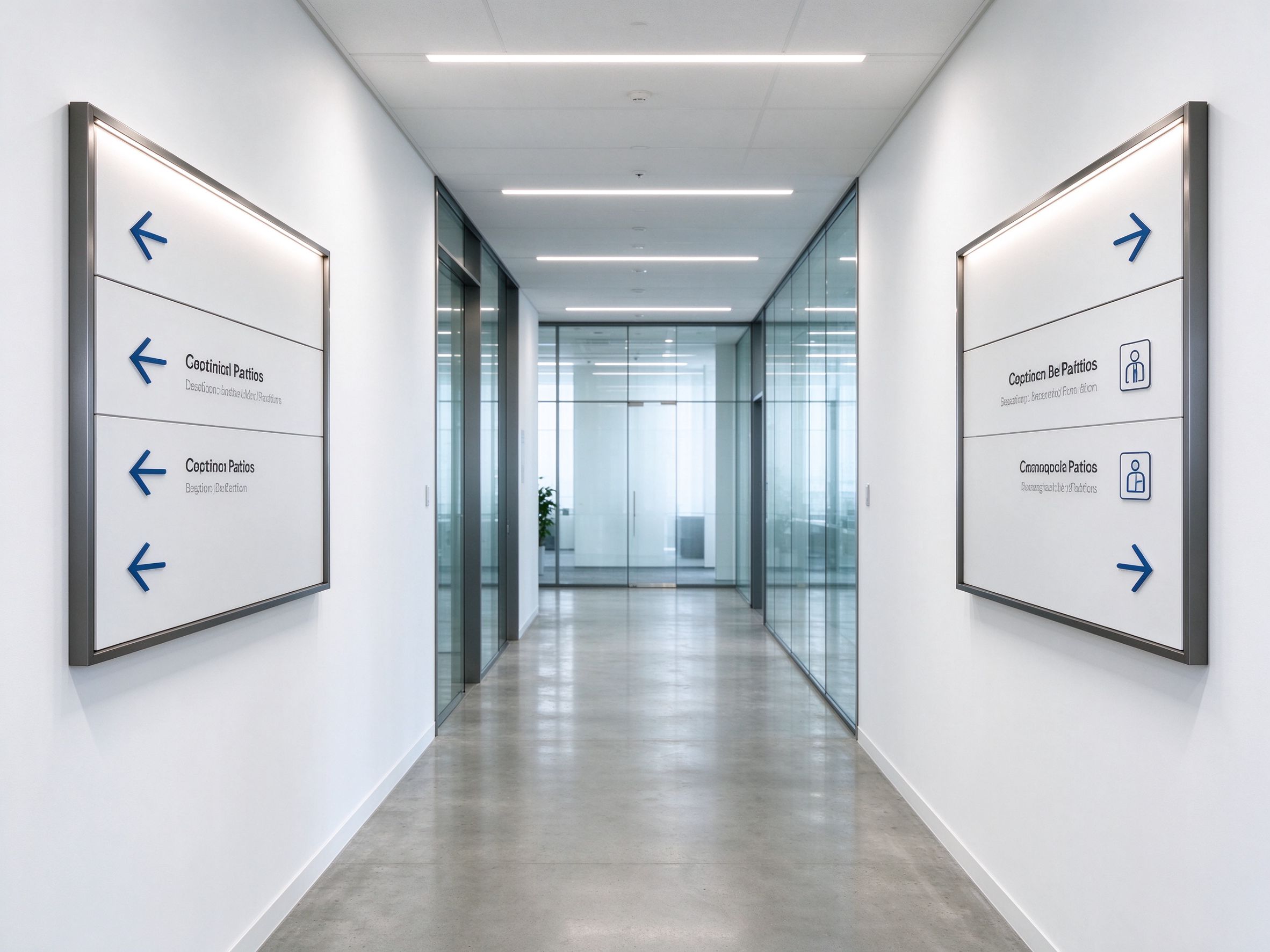
The ADA requires tactile signs at the entry to any permanent room or space a visitor needs to identify — restrooms, offices, storage, exits, and mechanical rooms among them. The sign mounts on the wall beside the door, on the latch side where possible, not on the door itself, because a door swings and a person reading by touch needs a stable surface. The same logic drives the mounting height: the center of the sign must sit between 48 and 60 inches above the finished floor, a band chosen so both standing and wheelchair users can reach it.
Character size and proportions
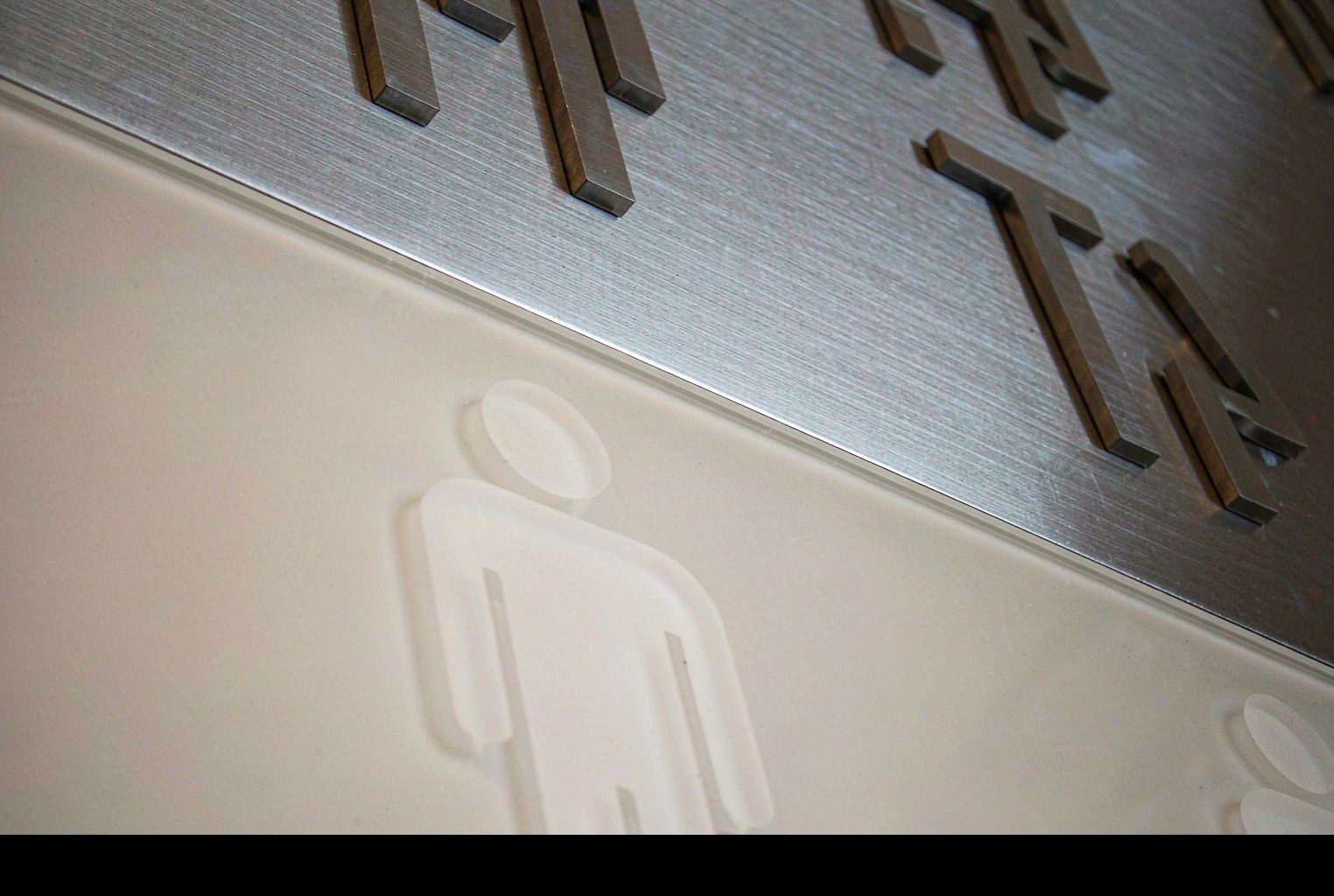
Raised characters must be uppercase, sans-serif, and between 5/8 and 2 inches tall, with specific stroke-width and spacing rules so they read clearly by touch. Tactile pictograms, such as the accessible symbol, need a field at least 6 inches tall. These are not suggestions; they are the measured tolerances an inspector checks, and they shape the panel size from the start.
Braille and contrast
Every tactile sign with raised characters also carries Grade 2 Braille directly below the corresponding text. Beyond the dots, contrast is what serves low-vision users: the characters and pictogram must contrast with their background, either light-on-dark or dark-on-light, with no glare that hides the relief. Non-glare finishes are effectively part of the spec. ADA braille signs that meet these rules work for everyone in the building, which is the whole point of tactile signs.
Special cases that trip people up
Several common signs carry their own expectations. All-gender and inclusive restroom signage, including the California-specific variant, still follows the same tactile and mounting rules while adding the appropriate pictogram. Accessible parking signs must pair the symbol with the required text and mounting height at the space. Outdoor vandal-proof ADA signs for schools need the same compliance plus sealed, tamper-resistant construction to survive a playground-adjacent environment. None of these relax the core dimensions; they add durability or pictogram requirements on top.
How Duoyuan builds compliant ADA signs
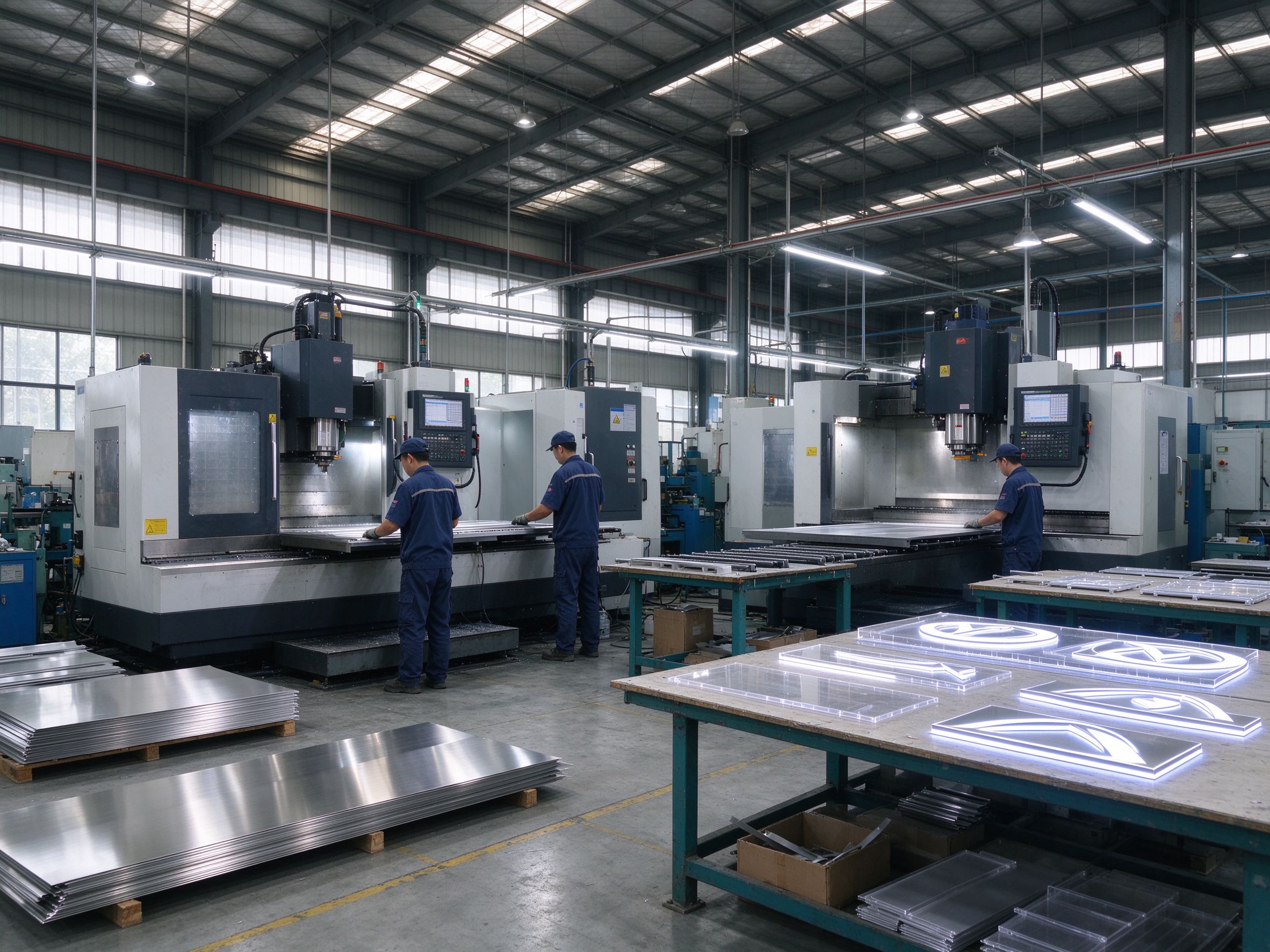
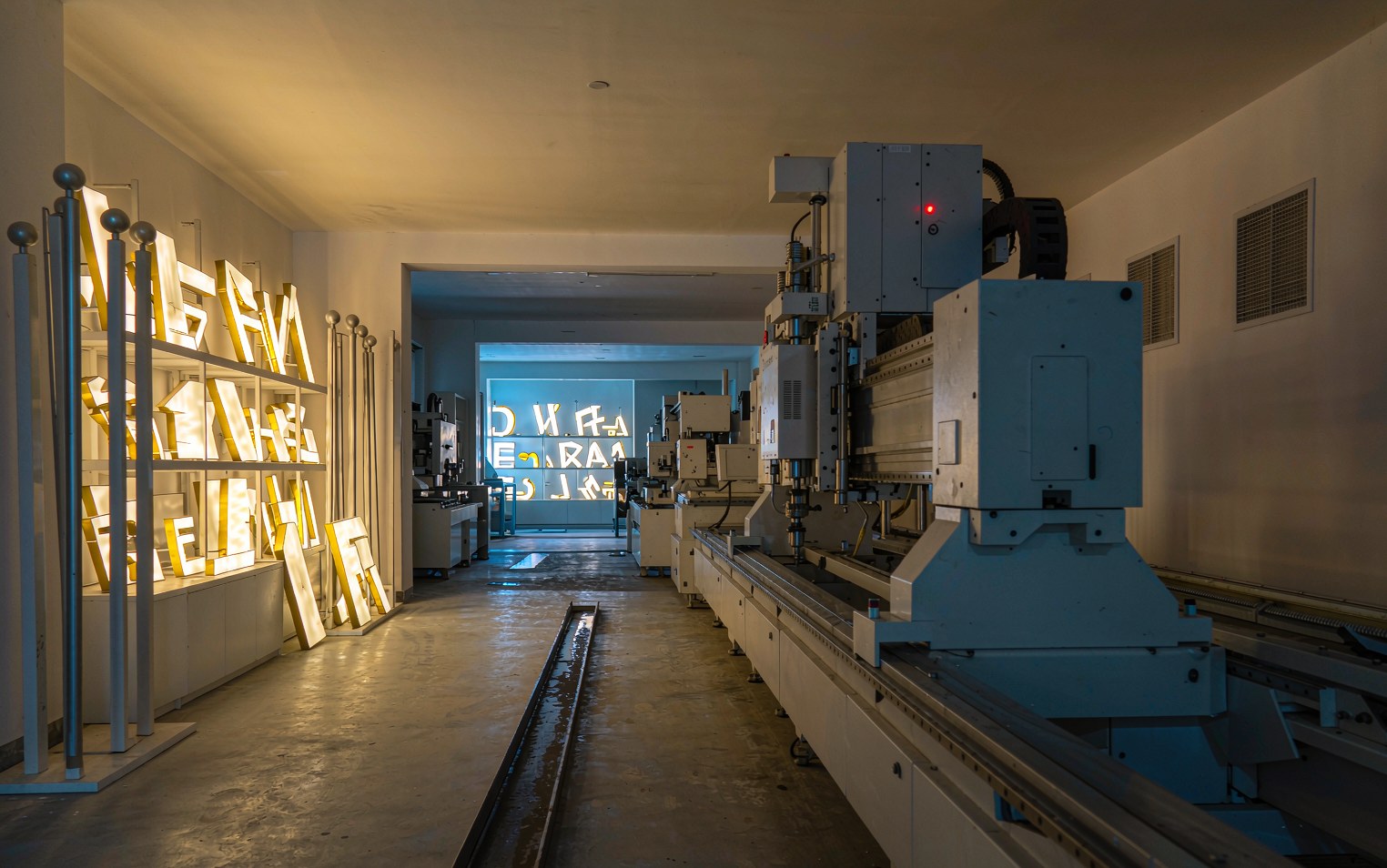
Compliant tactile signs start with a proofed layout: character heights, Braille translation, pictogram fields, and mounting details are checked before anything is cut. Acrylic and aluminum options cover interior and exterior needs, and finishes are chosen for contrast and glare control. The aim is a sign that reads correctly to every user and clears inspection the first time.
Frequently asked questions
How high should an ADA sign be mounted?
The sign center must be between 48 and 60 inches above the finished floor, on the wall beside the door rather than on the door.
Is Braille required on every room sign?
Yes. Any tactile sign with raised characters must also include Grade 2 Braille directly below the corresponding text.
What contrast does the ADA require?
Characters and pictograms must contrast with their background, light-on-dark or dark-on-light, with a non-glare finish to avoid hiding the relief.
Do all-gender restroom signs follow the same rules?
They follow the same tactile, Braille, and mounting rules and add the appropriate pictogram; California has its own inclusive restroom pictogram variant.
Can ADA signs be used outdoors?
Yes, with sealed, UV-stable, vandal-resistant construction added to the standard compliance requirements.
For accessible signage specifications, see the product range, the solutions overview, and the capabilities page. The FAQ answers more compliance questions, and the quote page lists what to send for an ADA order. Examples are in the case studies, and the about page describes the fabrication workshop.