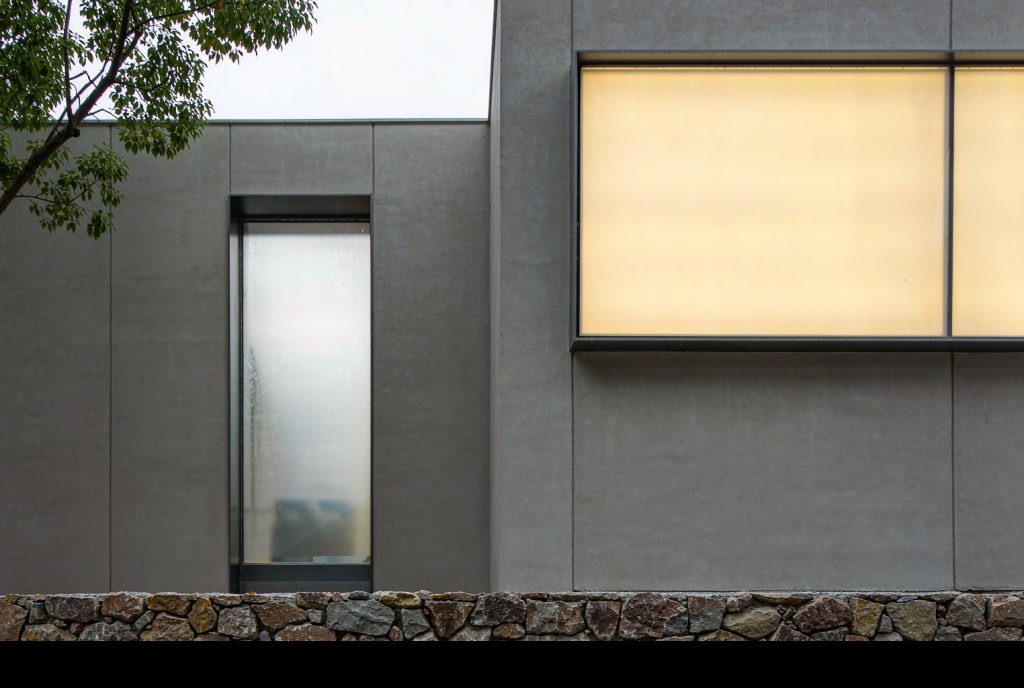
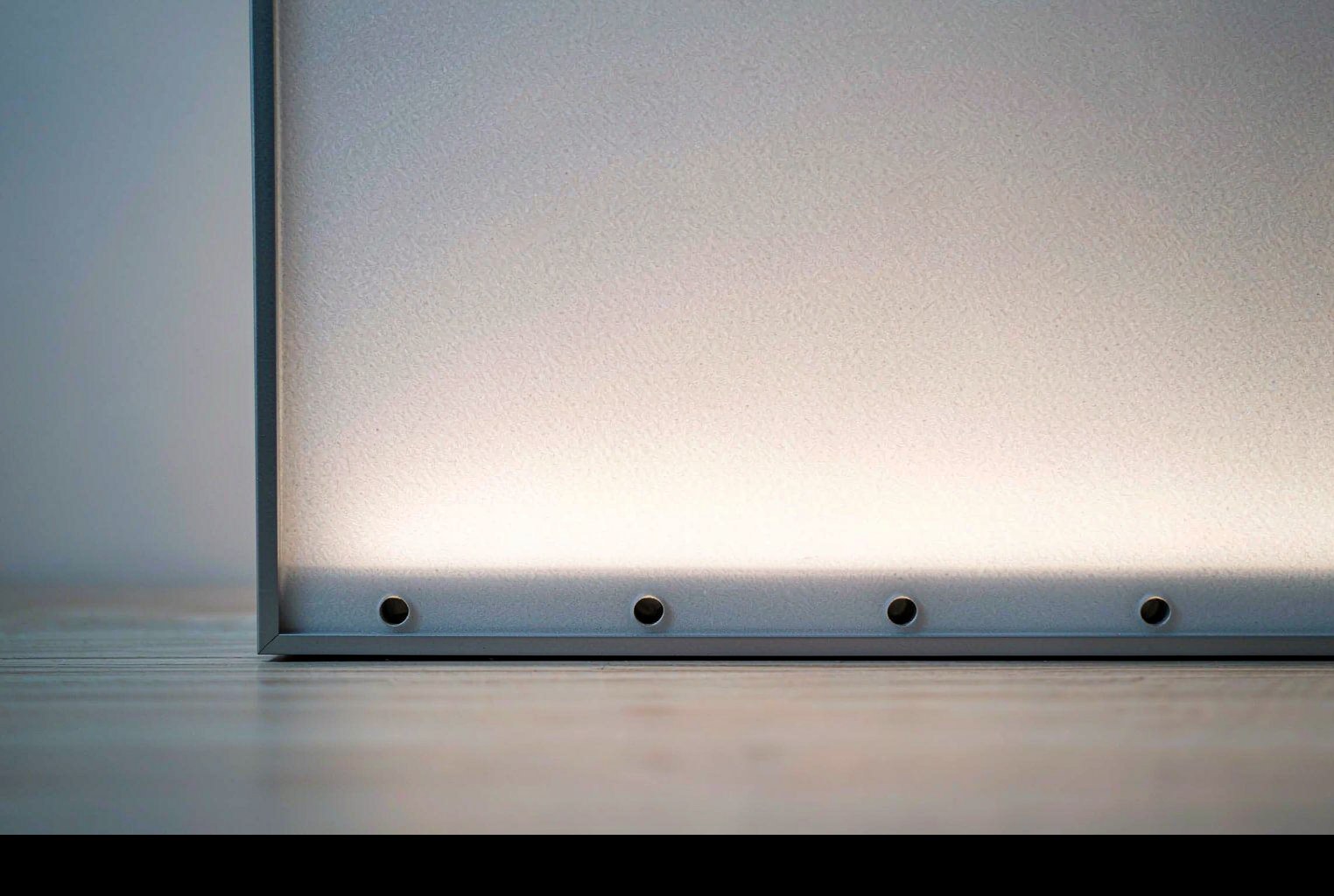
Anyone who has looked closely at an outdoor lightbox sign has seen it: a small hole, usually at the bottom edge, with no obvious purpose. It is easy to assume it is a manufacturing leftover or a mounting detail, but it is a deliberate engineering feature. That weep hole is the sign’s way of dealing with water, condensation, and the slow accumulation of moisture that would otherwise shorten the life of the lighting inside. This short explanation covers why the hole exists, what happens without it, and the related reason large signboards are built in sections.
What the hole is for
An outdoor lightbox is a sealed, lit enclosure, and any sealed enclosure exposed to temperature swings collects condensation. Rain that sneaks past a gasket, humid air that cools overnight, and cleaning water that pools at the base all end up at the bottom. Without an exit, that water sits against the panel and the electronics, encouraging corrosion, mold, and early LED failure. The small hole gives that water a way out, so the box stays drier than it would as a fully closed chamber.
Why not seal it completely
A perfectly sealed box sounds safer, but it traps moisture rather than excluding it. Once humidity is inside, it has nowhere to go, and the daily heat-cool cycle keeps condensing it onto the face and the fittings. A weep hole accepts that some water will enter and makes sure it leaves. Good designs pair the hole with drainage at the lowest point and avoid placing it where driving rain is forced straight in, so it vents without becoming a leak.
Why large signboards are made in sections
The same practical thinking explains why large signboards are made in sections rather than as one giant panel. A single oversized face is hard to transport, hard to lift, and prone to warping and uneven lighting. Building in modular sections lets each part be engineered, lit, and serviced on its own, and it keeps the whole structure within the weight and flatness tolerances a building facade can actually accept. The section breaks also create natural drainage paths and service access, which is why the small hole and the sectional build are cousins in the same design philosophy.
How Duoyuan builds outdoor lightboxes
Outdoor lightboxes from the workshop include weep holes or drainage at the lowest point, sealed cable entries, and sectioned construction for large formats. The aim is a sign that sheds water instead of holding it, so the light stays consistent and the internals last through seasons of weather rather than a single wet winter.
Frequently asked questions
Is the hole a defect?
No. It is an intentional weep hole that lets condensation and minor water escape instead of pooling inside the box.
Will rain get in through the hole?
Good designs place and size the hole so it vents without letting driving rain in, often paired with internal drainage channels.
Why are big signboards sectional?
Sections are easier to transport, install, light evenly, and service, and they resist warping better than one huge panel.
Can I block the hole to keep bugs out?
Avoid sealing it. If insects are a concern, a small mesh that still allows drainage is the better answer than closing the hole.
Do all outdoor signs need a weep hole?
Any sealed outdoor lightbox benefits from drainage; fully open or continuously vented designs handle moisture differently but still plan for it.
For outdoor illuminated signage, see the product range, the solutions overview, and the capabilities page. The FAQ covers more practical topics, and the quote page asks about your environment. Examples are in the case studies, and the about page describes the workshop.







