When a traffic or safety sign is specified, one choice quietly decides whether the sign works after dark: the face material. Reflective sheeting and vinyl graphics look similar on a sunny afternoon but behave very differently at night, in rain, and over years of weather. This comparison explains what each material is, where it belongs, and why most highway and safety signs are built on reflective sheeting rather than printed vinyl.
What reflective sheeting is
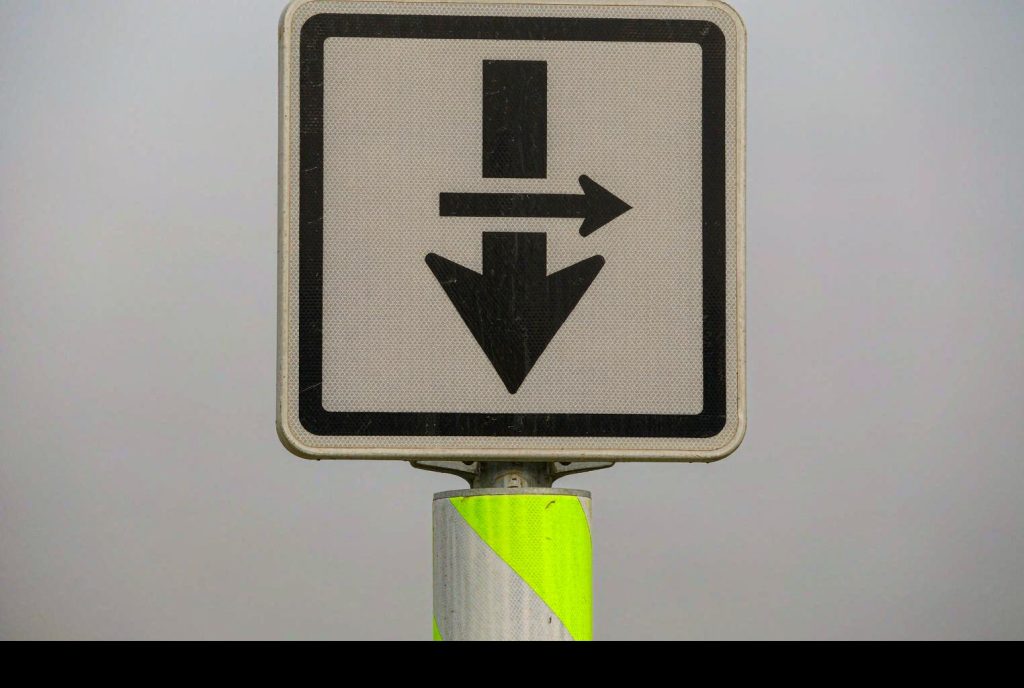
Reflective sheeting is a retroreflective film engineered to bounce light from a vehicle’s headlights back toward the driver, so the sign appears to glow at night without its own power. It is graded by performance — from engineer-grade to high-intensity prismatic — with higher grades returning more light at wider angles. That return is what makes highway signage legible at speed and distance after dark, which is exactly the condition where a sign matters most.
What vinyl graphics are
Vinyl graphics are printed or cut films applied to a substrate for color, text, and imagery. They excel at branded, decorative, and short-run signage where the message is read in daylight or under nearby lighting. Vinyl can be vivid and cheap to produce, but standard vinyl does not retroreflect, so a vinyl-only sign goes dark at night unless it is separately illuminated. For safety signs that must be seen unlit, that is a serious limitation.
Where each belongs
The split is about who reads the sign and when. Highway signage and regulatory safety signs live or die by nighttime legibility, so they use reflective sheeting, often with prismatic grades for long sightlines. Property, directional, and decorative signs read under ambient or building light, so durable vinyl graphics are a sensible, economical choice. The mistake is using daylight-only vinyl on a road or emergency sign where a driver needs to see it at 60 miles per hour in the rain.
Durability and maintenance
Reflective sheeting is built for years of UV, impact, and weather, with performance warranties that match its job. Vinyl grades vary widely; a cheap film chalks and peels within a season, while premium cast vinyl lasts far longer. Either way, the material should match the sign’s service life rather than the lowest purchase price, because a faded or unreadable sign is a failed sign regardless of how it looked on day one.
How Duoyuan selects face materials
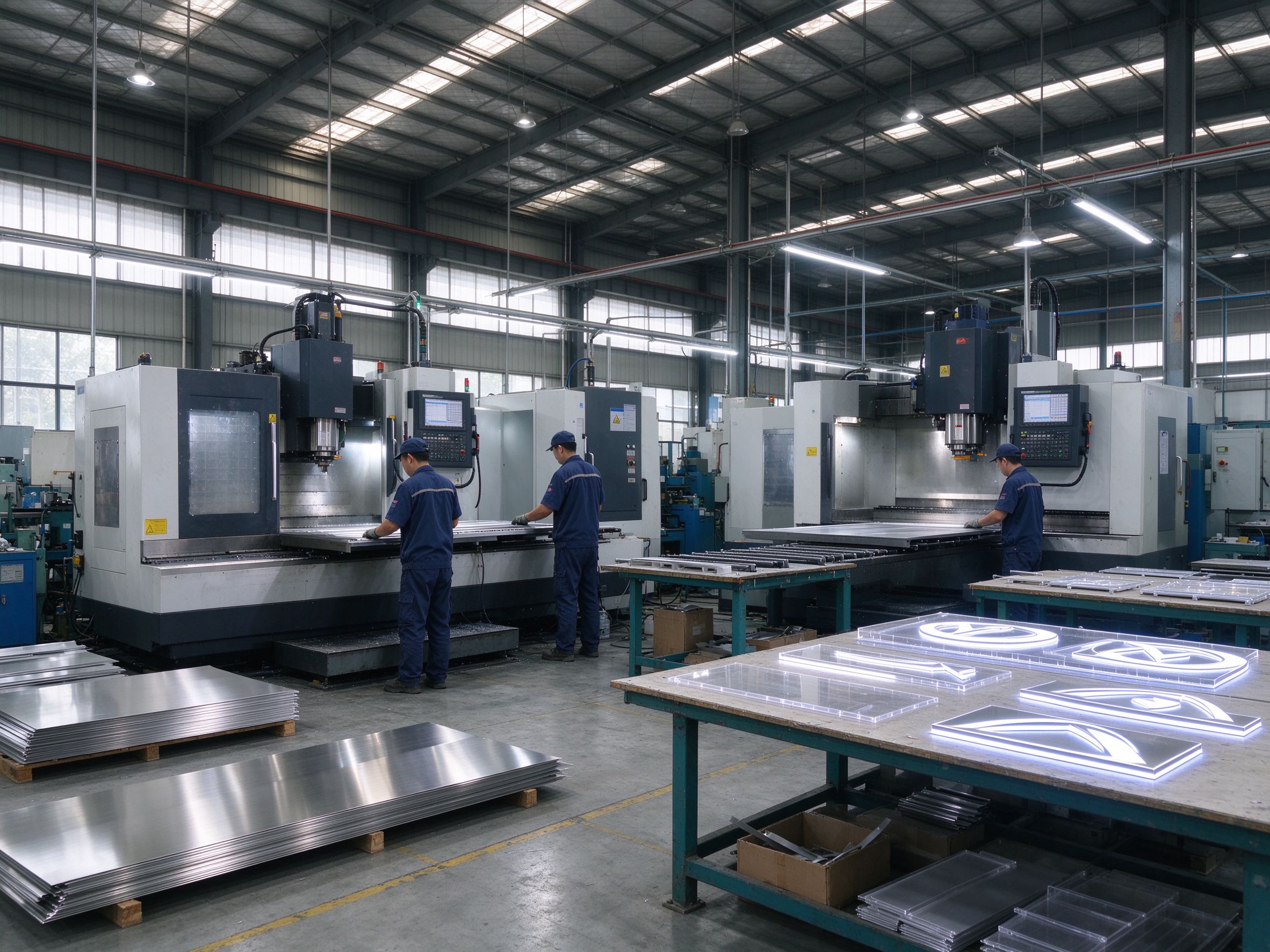
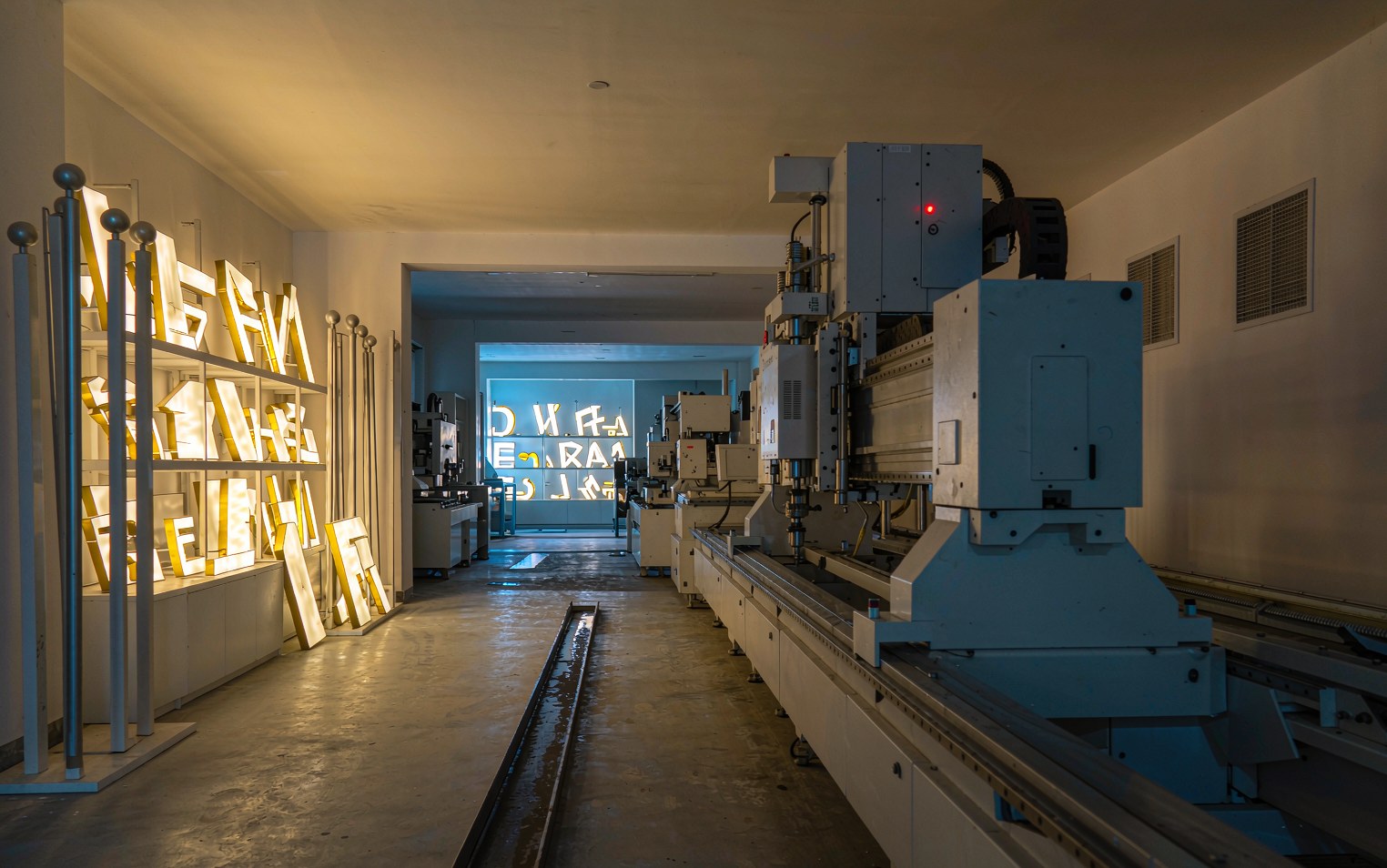
For traffic, highway, and safety signs, the workshop specifies reflective sheeting matched to the required performance grade, and uses durable vinyl graphics where the application is daylight or building-lit. The right face material is chosen with the reading condition in mind, so the sign performs where it is actually installed.
Frequently asked questions
Why are traffic signs reflective?
Reflective sheeting returns headlight light to the driver, keeping the sign legible at night and in poor weather without power.
Can vinyl graphics be used on road signs?
Not as the sole face on unlit regulatory signs; vinyl does not retroreflect. Use it for daylight or illuminated decorative signage.
What are the sheeting grades?
From engineer-grade to high-intensity prismatic, with higher grades returning more light at wider angles for longer sightlines.
Which lasts longer outdoors?
Quality reflective sheeting and premium cast vinyl both last years; cheap vinyl fades and peels quickly. Match the grade to the sign’s life.
Do safety signs need to glow?
Unlit safety signs rely on retroreflection to be seen at night, which is why reflective sheeting is the standard for them.
For traffic and safety signage, see the product range, the solutions overview, and the capabilities page. The FAQ covers more material topics, and the quote page asks about your application. Examples are in the case studies, and the about page describes the workshop.