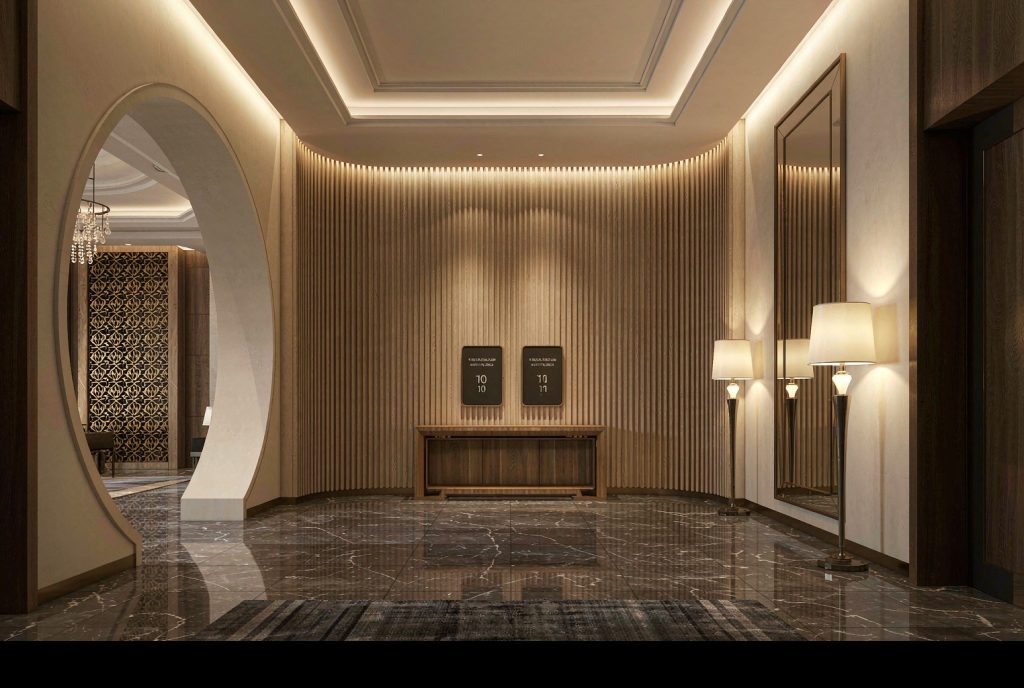
A hotel signage system is a brand program disguised as information. From the moment a guest sees the lobby identity to the moment they find their room number, every sign either reinforces the brand or quietly undermines it. The strongest hospitality signage treats the whole path as one designed experience, so wayfinding and identity are never separate jobs. This guide covers how a hotel signage system should be planned from lobby to room.
Lobby identity sets the tone
Lobby signs are the brand’s first physical statement: the logo, the material language, and the lighting that say who this property is. A well-executed lobby sign uses the same finishes and type as the rest of the system, so the arrival moment feels intentional. Hospitality signage lives or dies on this consistency, because guests read the lobby as a promise about the rest of their stay.
Wayfinding through the guest journey
After the lobby, signs guide guests to reception, lifts, restaurants, and amenities without friction. Directional signs follow the decision points of the guest journey rather than decorating empty walls, and they keep the lobby’s visual language so the system feels continuous. When wayfinding and identity share a specification, a guest never senses a hand-off between “brand” and “information.”
Room number signs and the door
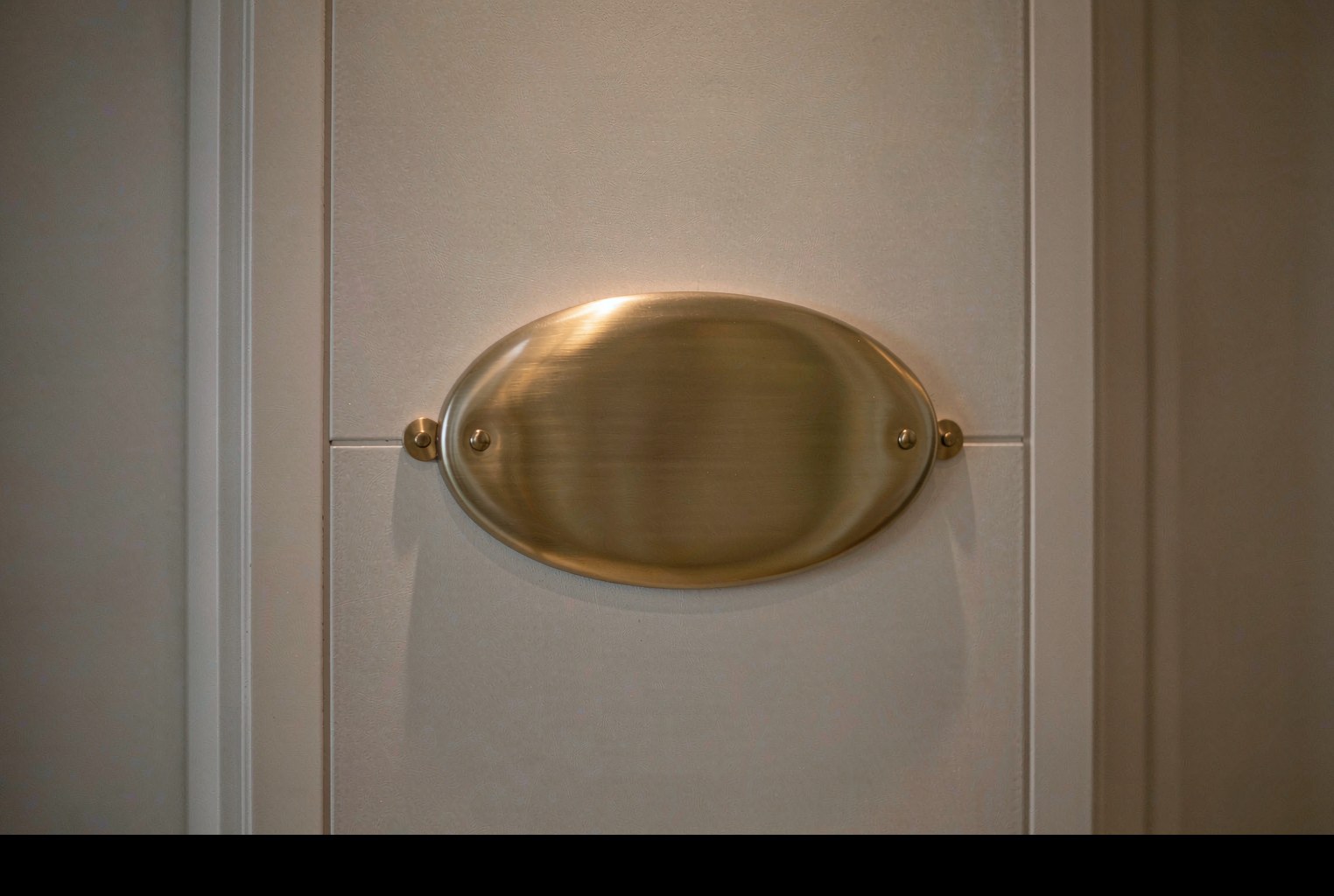
Hotel room signage and room number signs are the most personal signs a guest meets, and they must be findable at a glance down a long corridor. Consistent placement, clear numerals, and tactile where required make every door easy to locate at night or with low vision. A room sign that matches the lobby’s material story closes the loop, so the brand is present at the very end of the journey, not just the beginning.
Materials and durability
Hotel signs take daily handling and cleaning, so finishes must resist fingerprints, scuffs, and housekeeping chemicals while keeping their look. Brushed metal, acrylic, and illuminated options are chosen not only for appearance but for how they age in a hospitality setting, where a tired sign reads as a tired property.
How Duoyuan builds hotel signage
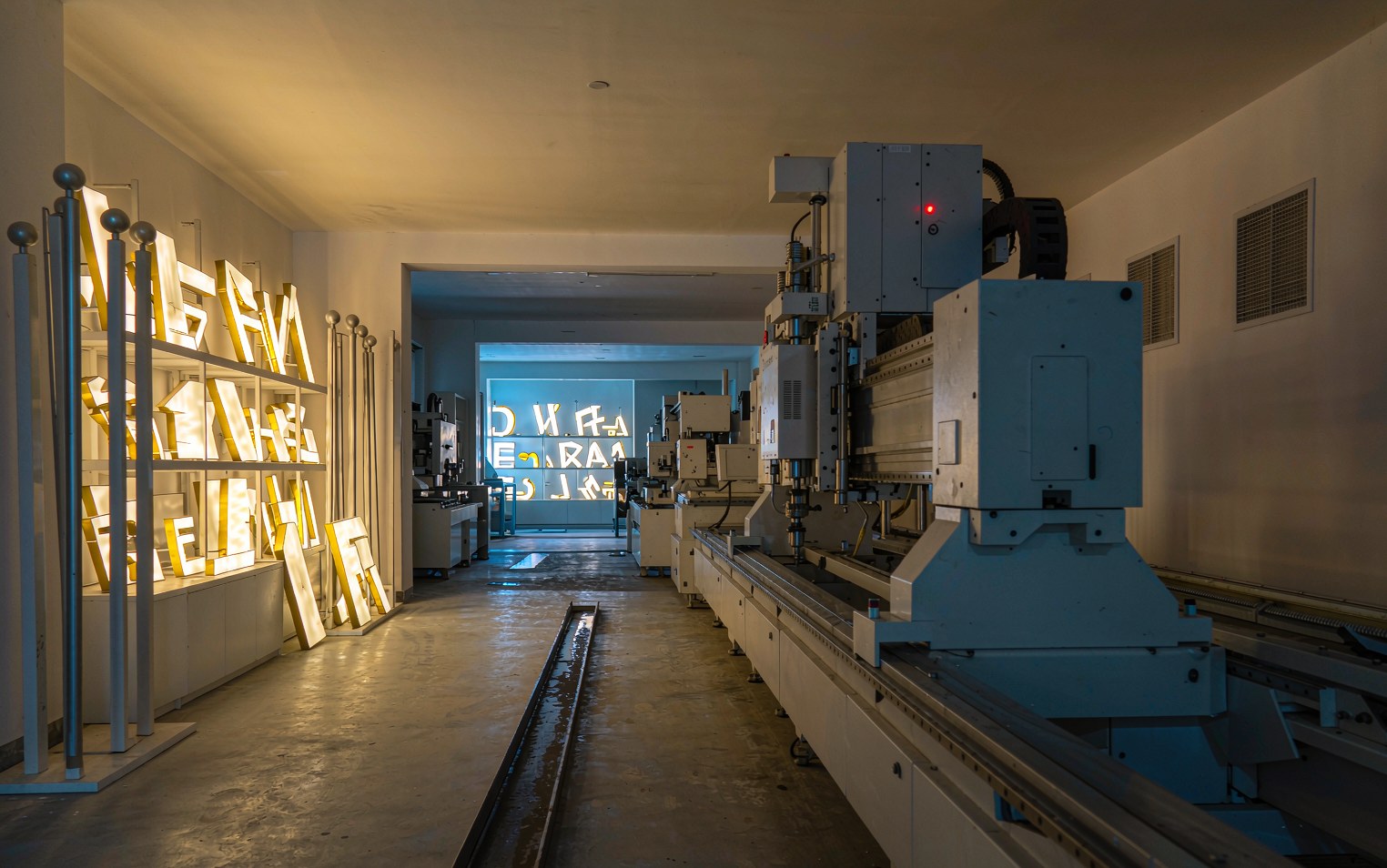
For hotels, the workshop delivers a unified system from lobby identity through directional and room number signs, all built to one material and type specification with tactile options where needed. The aim is a program that carries the brand from arrival to the guest room door.
Frequently asked questions
Why treat hotel signs as a system?
Because every sign from lobby to room either reinforces or undermines the brand; consistency makes the stay feel intentional.
Where should room number signs go?
Consistently placed at each door, clear at a glance down a corridor, with tactile options where required.
What materials suit hotels?
Brushed metal, acrylic, and illuminated options that resist handling, cleaning, and chemicals while keeping their look.
How does lobby signage connect to wayfinding?
By sharing the same finishes and type, so guests feel one continuous program rather than separate brand and information signs.
Should room signs be tactile?
Where accessibility rules apply, room and permanent signs need tactile characters and Braille like any other public building.
For hotel signage systems, see the product range, the solutions overview, and the capabilities page. The FAQ covers more topics, and the quote page asks about your property. Examples are in the case studies, and the about page describes the workshop.







