Your shop window is the most valuable advertising space you already own, and most of it sits empty. Retail window graphics turn that glass into a working part of the store: promoting offers, building the brand, and guiding footsteps off the street. This guide covers the ideas worth using and the installation basics that keep them looking professional.
Ideas that actually pull people in
The simplest effective graphic is a vinyl decal of the logo or a seasonal message, placed at eye level where passing traffic reads it. Window decals can be a single hero mark or a full promotional scene, and because they are removable, you can rotate them with campaigns without repainting the glass. For a fashion or lifestyle store, a partial-coverage design that keeps the product visible often outperforms a fully blocked window.
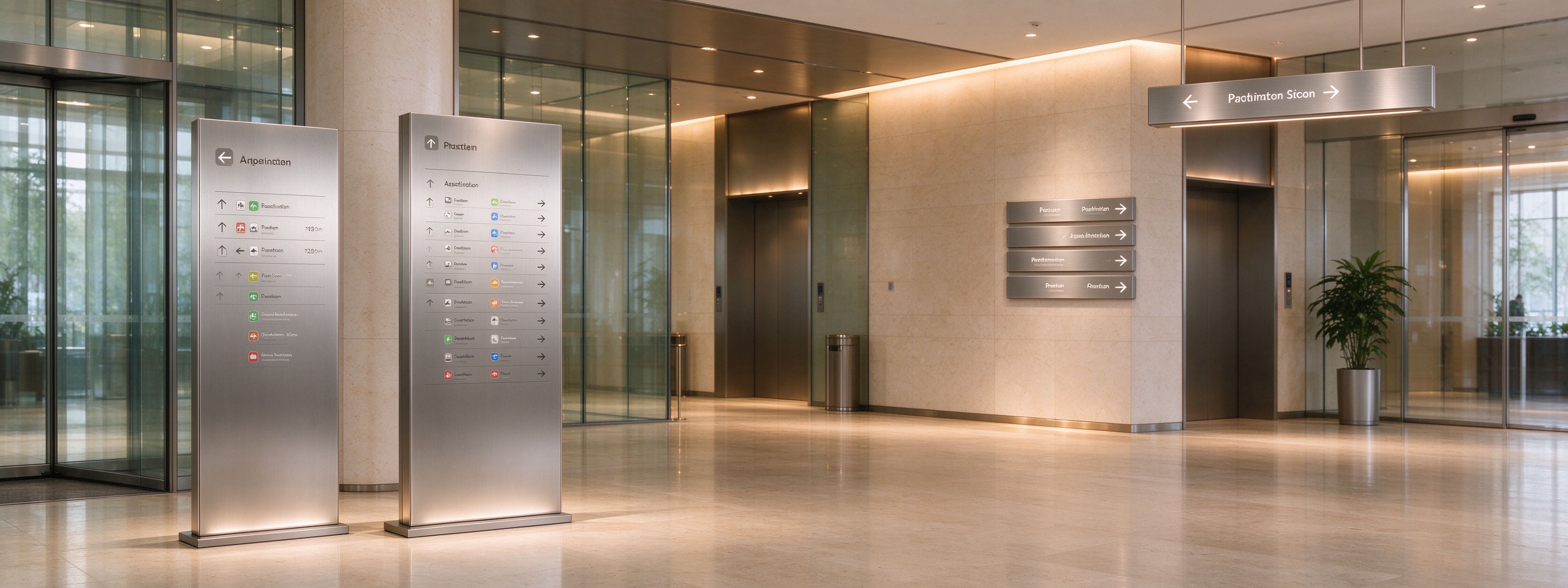
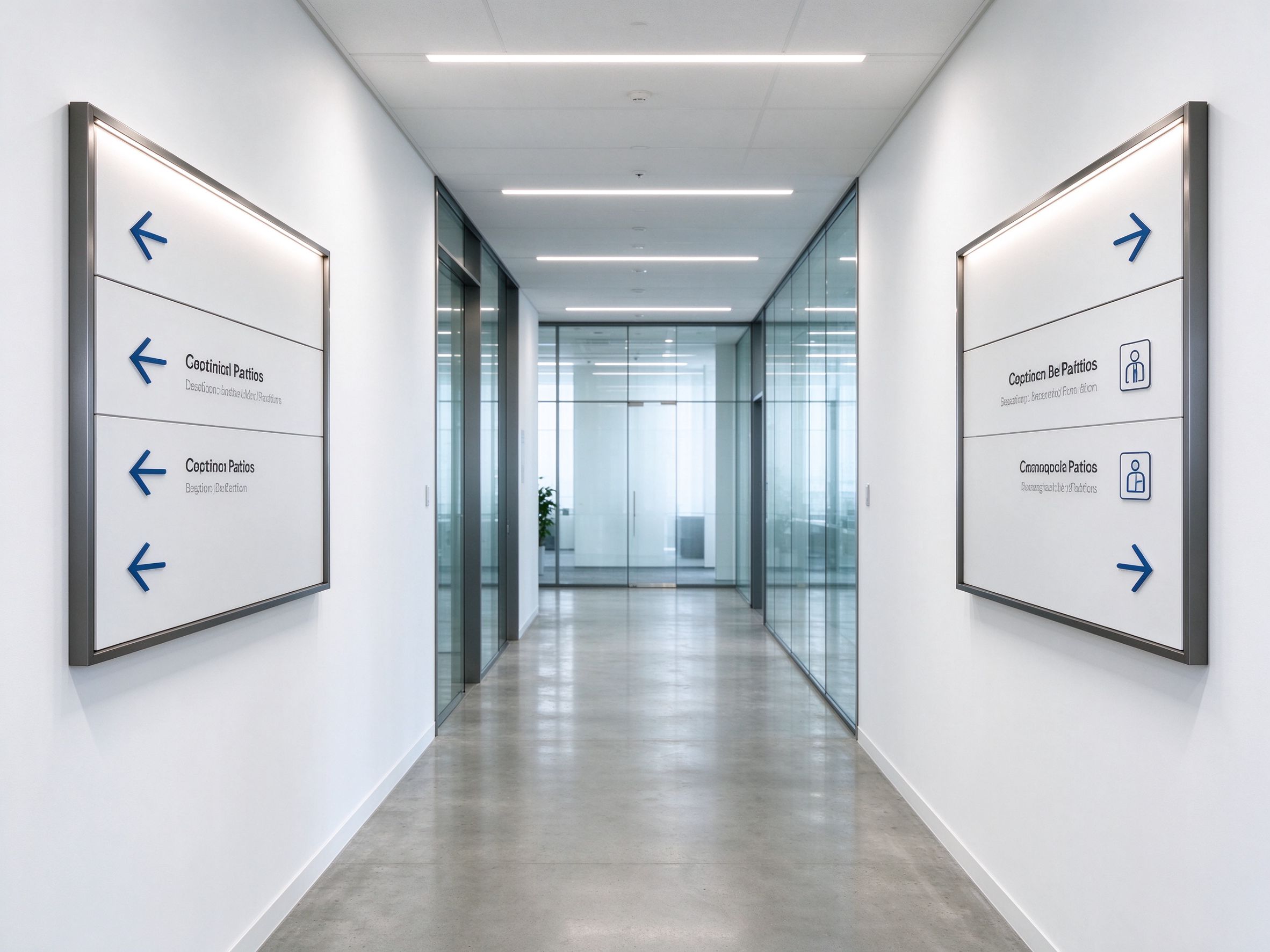
Storefront graphics also work as wayfinding at the threshold: open hours, a QR code to the menu, or a directional arrow to the entrance. These small retail signage touches reduce hesitation at the door, which is where a lot of sales are quietly lost to a blank, unwelcoming pane.
Think in layers. A permanent logo etched in a corner, a seasonal full-cover promotion for the holiday, and a small always-on QR decal can coexist without clutter if you plan their positions. The window becomes a managed surface, not a dumping ground for whatever poster arrived this week.
Materials and what they do
Most vinyl graphics use adhesive films rated for interior or exterior glass. A one-way vision film lets light through from inside while showing a graphic from outside, perfect for privacy plus promotion. Etched or frosted films give a permanent premium look without a printed image. For short campaigns, low-tack vinyl peels cleanly; for long-term branding, a cast vinyl lasts for years without curling at the edges.
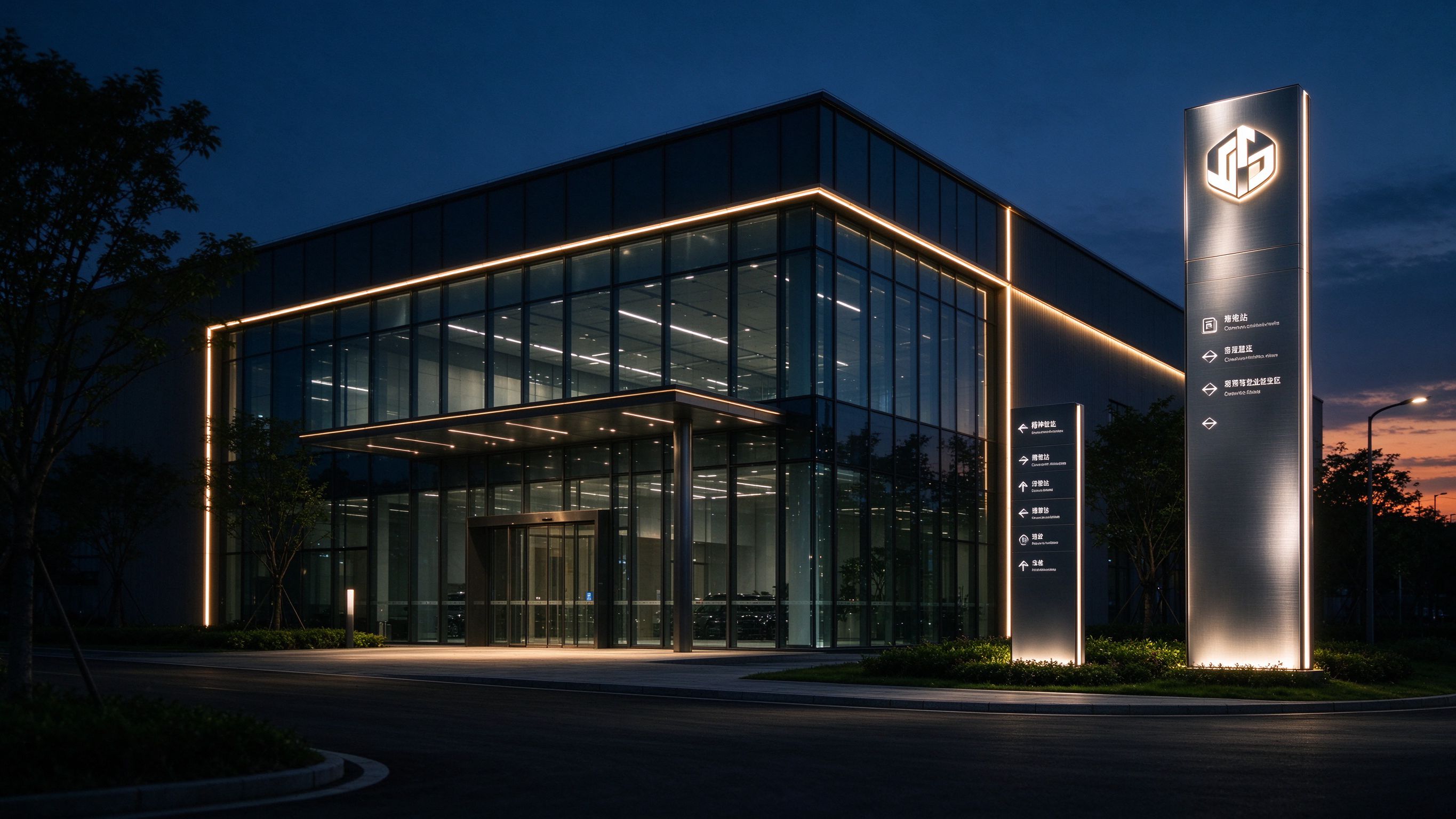
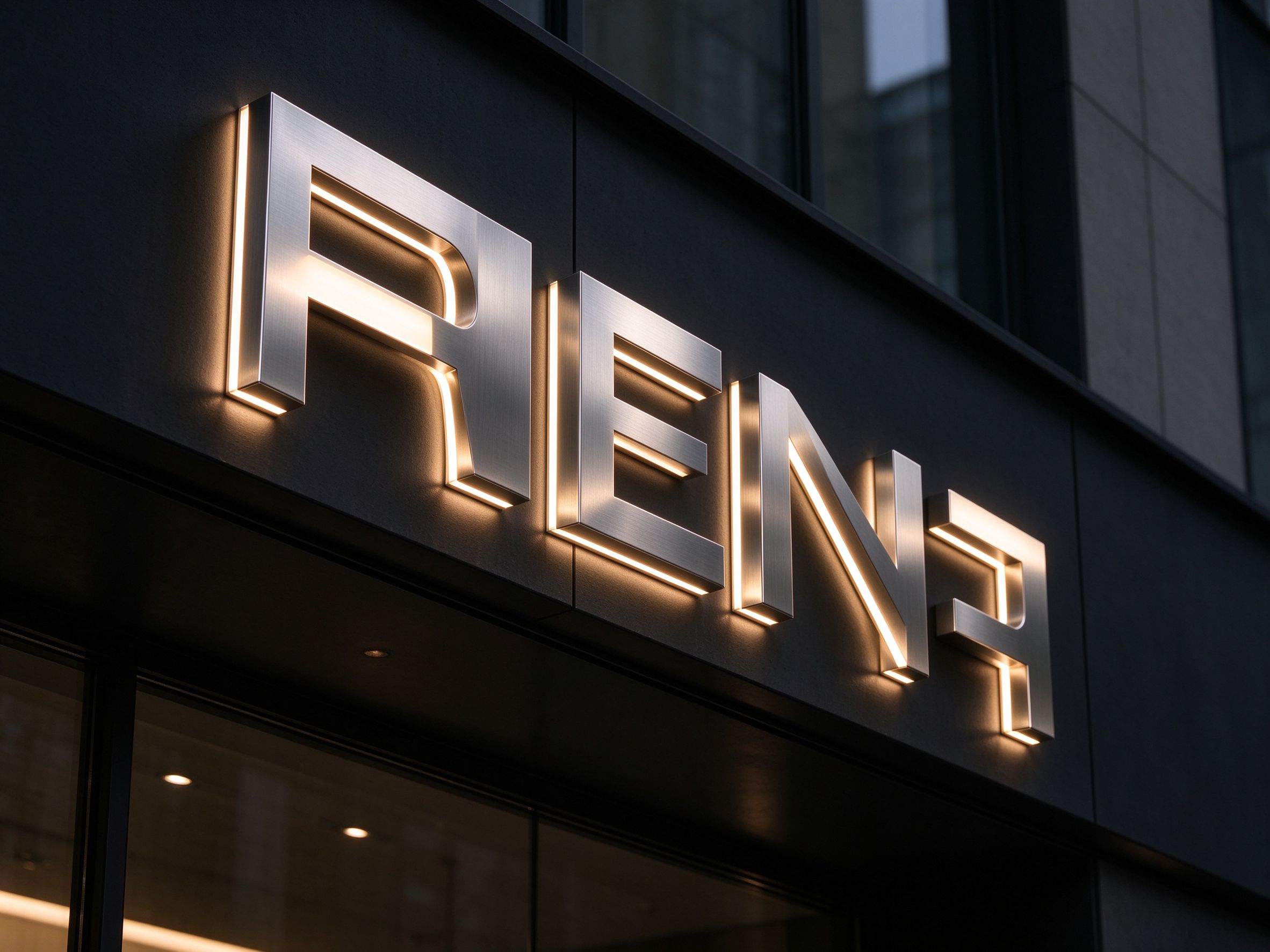
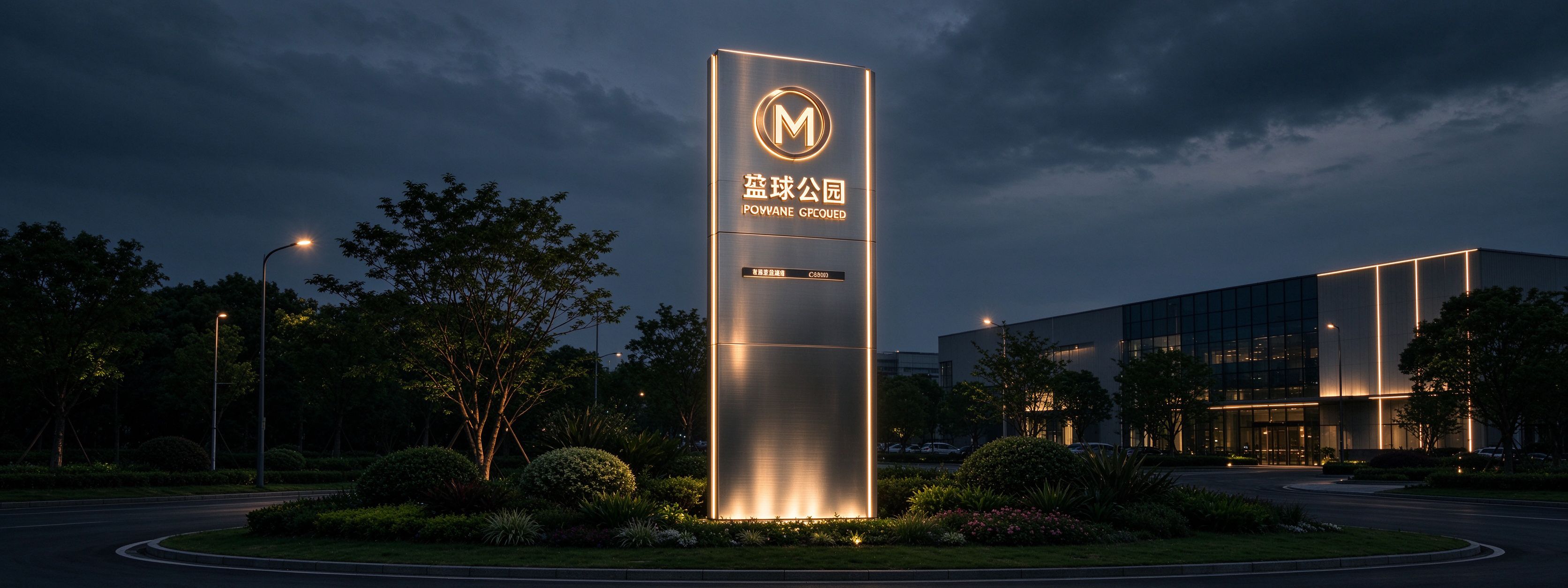
Pair the graphic with a lit element and the window works after dark too. Even a simple illuminated letter on the glass backboard extends the window’s job into the evening, when footfall near restaurants and bars is highest and a dark window is a closed sign in the customer’s mind.
| Film type | Best use | Longevity |
|---|---|---|
| One-way vision | Privacy plus promo | Medium |
| Frosted/etched | Premium static look | Long |
| Low-tack vinyl | Short campaigns | Short |
| Cast vinyl | Permanent branding | Long |
Installation basics for a clean result
Good window signage lives or dies on preparation. Clean the glass with alcohol and a lint-free cloth, free of any film or residue, because every speck becomes a bubble. Apply with a squeegee and a mild application fluid for larger pieces, working from the centre outward to push air ahead of the edge. Take your time at corners and around handles, where most lifting starts and where a rushed job shows.
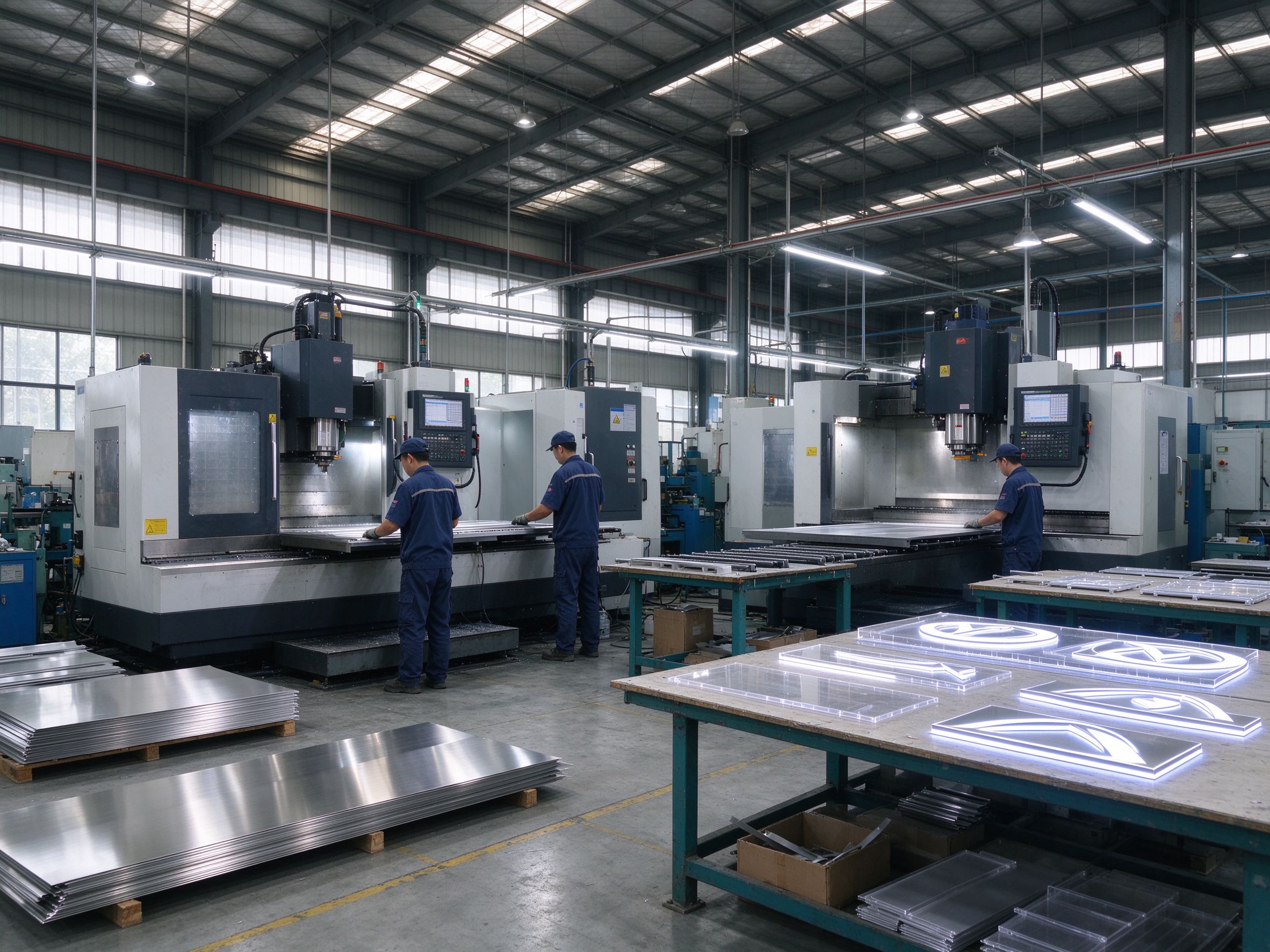
If the graphic is large or wraps a frame, a second pair of hands prevents misalignment. For multi-store rollouts, standardise the artwork and the placement template so every location looks identical, which is where a fabrication partner with consistent production capability earns its fee and protects the brand across the estate.
Designing for the right light
Consider what the window faces. A north-facing, shaded window keeps colours true; a west-facing window in direct sun needs UV-stable inks so the graphic does not fade within a season. Duoyuan’s broader signage work, from a 5,000+ sqm Guangzhou factory exporting to 30+ countries, shows how material choice follows the environment, and the same logic applies to film selection on a sunny facade.
Lead time for custom-cut graphics is short, often within the 10-25 working day window for a coordinated package that includes both the window film and any lit elements, all under ISO 9001 quality control so the colour matches the rest of the signage.
Common mistakes to avoid
The big one is blocking the whole window and hiding the product or the staff, which can cut walk-ins more than the graphic adds. Another is skipping the clean: a film laid on a dusty pane bubbles within days. A third is mismatched colour between the window vinyl and the lit sign, which reads as two different brands sharing a wall.
Plan the window as part of the storefront system, not a separate purchase, and these pitfalls disappear before they cost you a reprint.
Frequently asked questions
Will window graphics damage the glass?
No, when using proper signage vinyl applied to clean glass. Quality films peel off without residue, especially low-tack options made for temporary promotional use.
Can I see through retail window graphics?
With one-way vision film, yes from the inside during daylight, while the graphic shows from outside. Solid decals block the view but maximise the promotional message.
How long do vinyl window graphics last?
Cast vinyl for permanent branding lasts years; low-tack campaign films are meant to be swapped seasonally. UV-stable inks prevent fading in sunny windows facing the street.
Can window graphics work at night?
They read by streetlight, but pairing them with illuminated elements keeps the window selling after dark when evening footfall around restaurants and bars peaks.
Is professional installation worth it?
For large or multi-panel graphics, yes. Clean prep and bubble-free application make the difference between cheap and premium, and templates keep chain locations consistent.
Can I match window graphics to my lit sign?
Yes. Supply your brand colours and the team can coordinate the film with your storefront graphics and lit letters for one coherent, recognisable look.
Measuring impact and rotating creative
Window graphics are cheap enough to treat as a test bed. Run one promotion, watch footfall and dwell time near the window, then iterate the message or the placement. Because low-tack vinyl swaps in minutes, you can afford to be experimental in a way that permanent signage does not allow, and the data from a few rotations tells you what actually pulls people through the door.
Keep a small library of films and a placement template so a new campaign is a half-hour job, not a project. Tie the window to the rest of the retail signage so the promotion outside matches the experience inside, and the customer’s expectation is set correctly before they cross the threshold into the store.
Pairing film with lit signage for night
A window graphic works hardest when it connects to a lit element nearby, so the eye travels from the film on the glass to the illuminated name without a dark gap. Plan the two together rather than buying the film and the lit sign from different shops that will never quite match. Duoyuan’s coordinated approach, from a 5,000+ sqm Guangzhou factory exporting to 30+ countries, keeps the colour and the material language aligned across both.
Keeping the window legal and safe
A fully blocked window can breach fire-egress or visibility rules in some jurisdictions, so leave clear sightlines where regulations require them and avoid films on emergency-exit glazing. A quick check with the local authority before you cover the pane prevents a costly removal later. Good retail window graphics respect both the brand and the building code, and the two rarely conflict if you plan the coverage rather than covering everything.
Above all, treat the window as programmable space rather than fixed glass. Because the films are cheap and swappable, the window can evolve with the business week to week, testing what draws people in and retiring what does not. That experimentation, tied to the rest of the storefront signage, is what turns a passive pane into the hardest-working marketing surface a retailer owns, and it costs almost nothing to start.
Turn your glass into selling space
Retail window graphics are the fastest, lowest-cost way to make the front of your store work harder. Share your window dimensions and campaign idea with Duoyuan for coordinated vinyl and lit elements, ISO 9001 produced and export-ready. Start a custom quote, browse case studies, or contact [email protected] / WhatsApp +86 135 2767 8848 (Pan Jie).