Why outdoor wayfinding is its own discipline
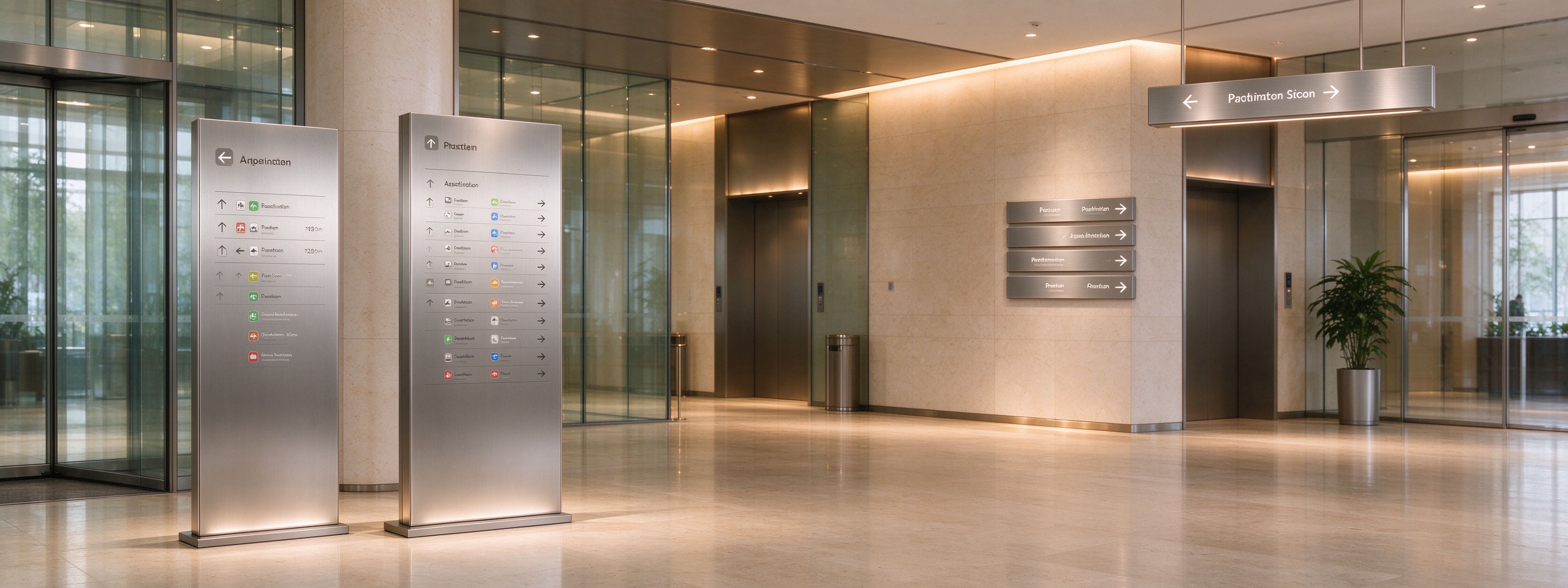
Indoor signs live in a controlled space with walls to mount on and ceilings to light from. Outdoor wayfinding signage faces weather, glare, distance and moving audiences. A visitor in a car at 30 km/h, a parent with a stroller, and a delivery driver all need to read the same campus sign in seconds. Designing for that reality is different from designing a lobby directory, and getting it wrong means frustrated visitors and wasted phone calls to reception.
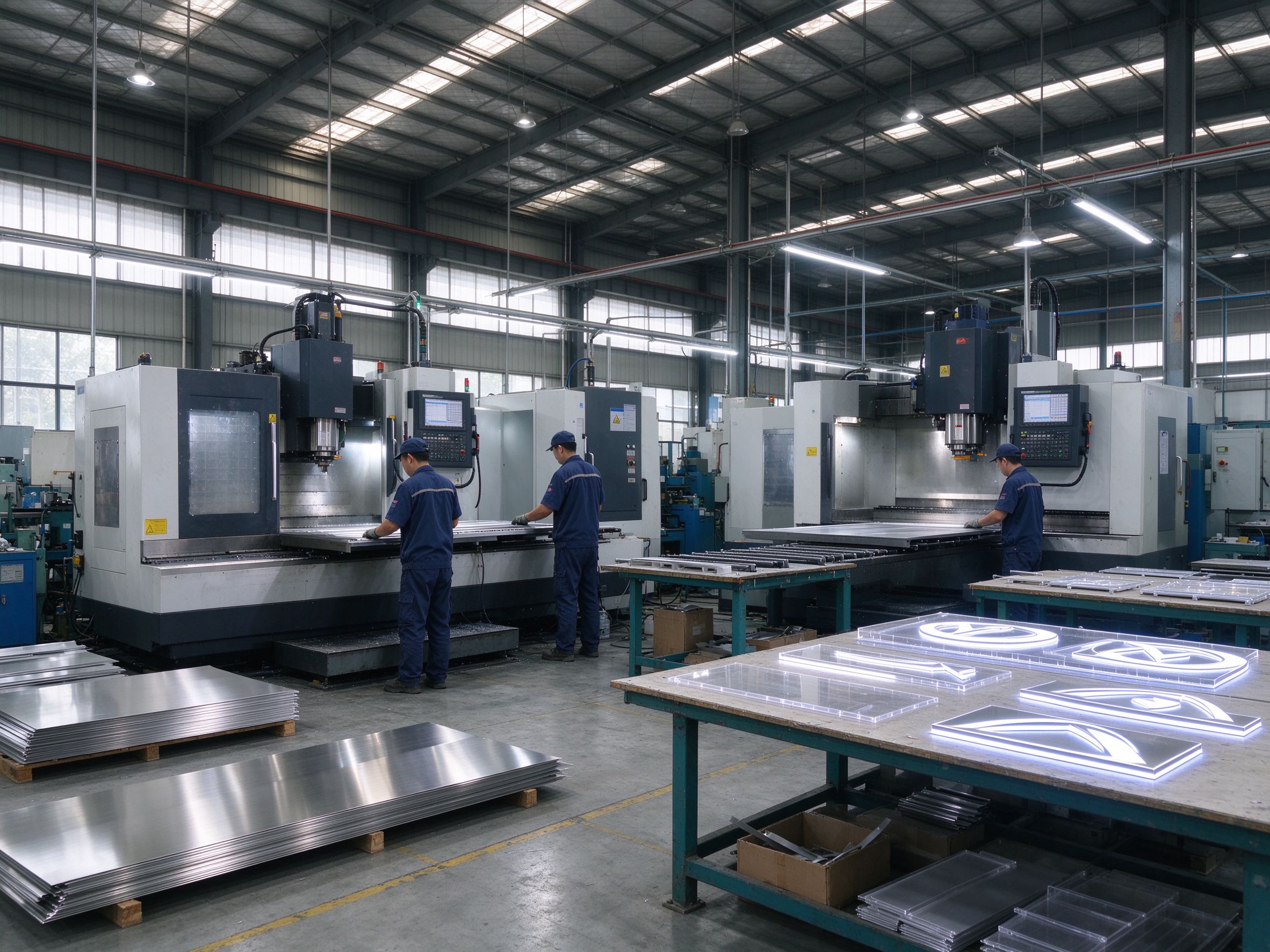
Duoyuan Advertising treats wayfinding systems as a core service scope, building exterior directional, identification and regulatory signs for campuses, hospitals, commercial complexes and civic sites from its Guangzhou factory, with export to more than 30 countries.
Start with a hierarchy, not a sign list
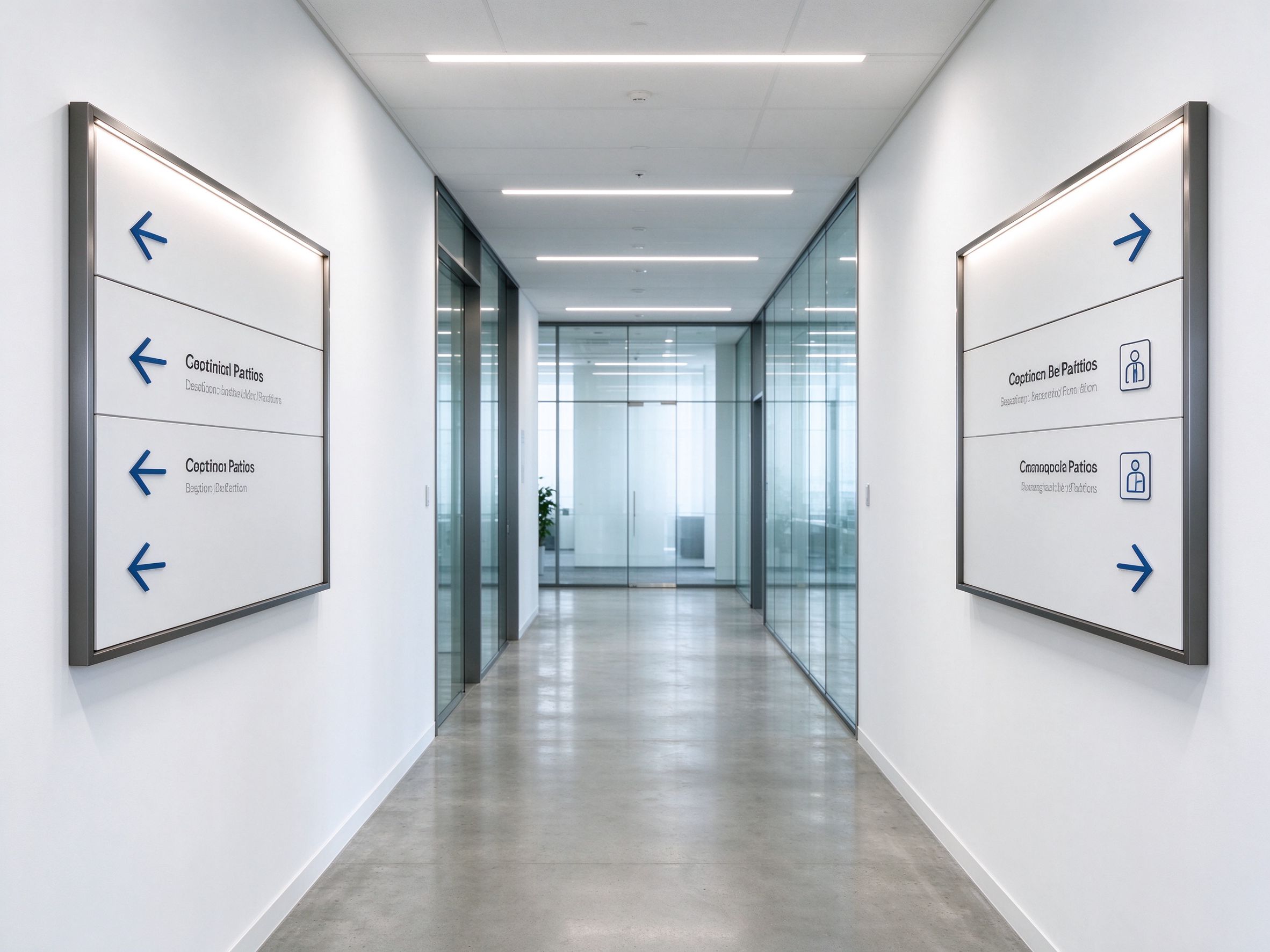
Effective wayfinding begins with a hierarchy. Decision-point signs sit where a choice must be made: entrances, junctions, car park exits. Identification signs name buildings and destinations. Informational signs give detail like opening hours or floor plans. A common failure is buying pretty signs before mapping the actual paths people take, which scatters messages and leaves gaps at the moments that matter.
Walk the site as a first-time visitor and note every point where someone might hesitate. Those hesitations are where signs belong. A clear outdoor wayfinding plan reduces the total number of signs needed because each one earns its place.
Placement and sightlines
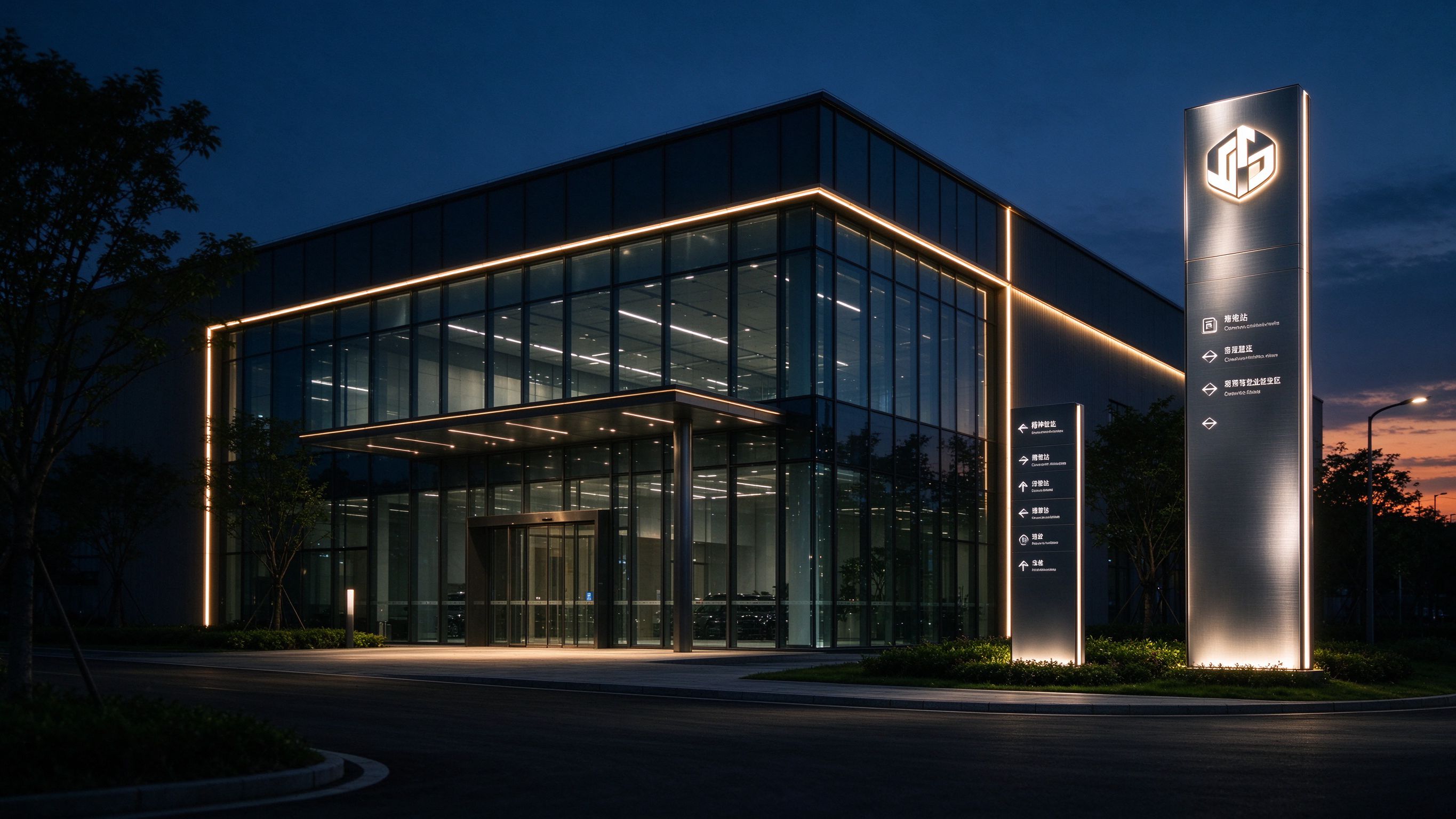
Exterior signs must be placed where they are visible before the decision, not after. A directional sign mounted behind a turn is useless. Height, setback from the road and the angle to oncoming viewers all affect legibility. For vehicle traffic, larger letter heights and high-contrast colours are essential; for pedestrians, lower and more detailed signs work.
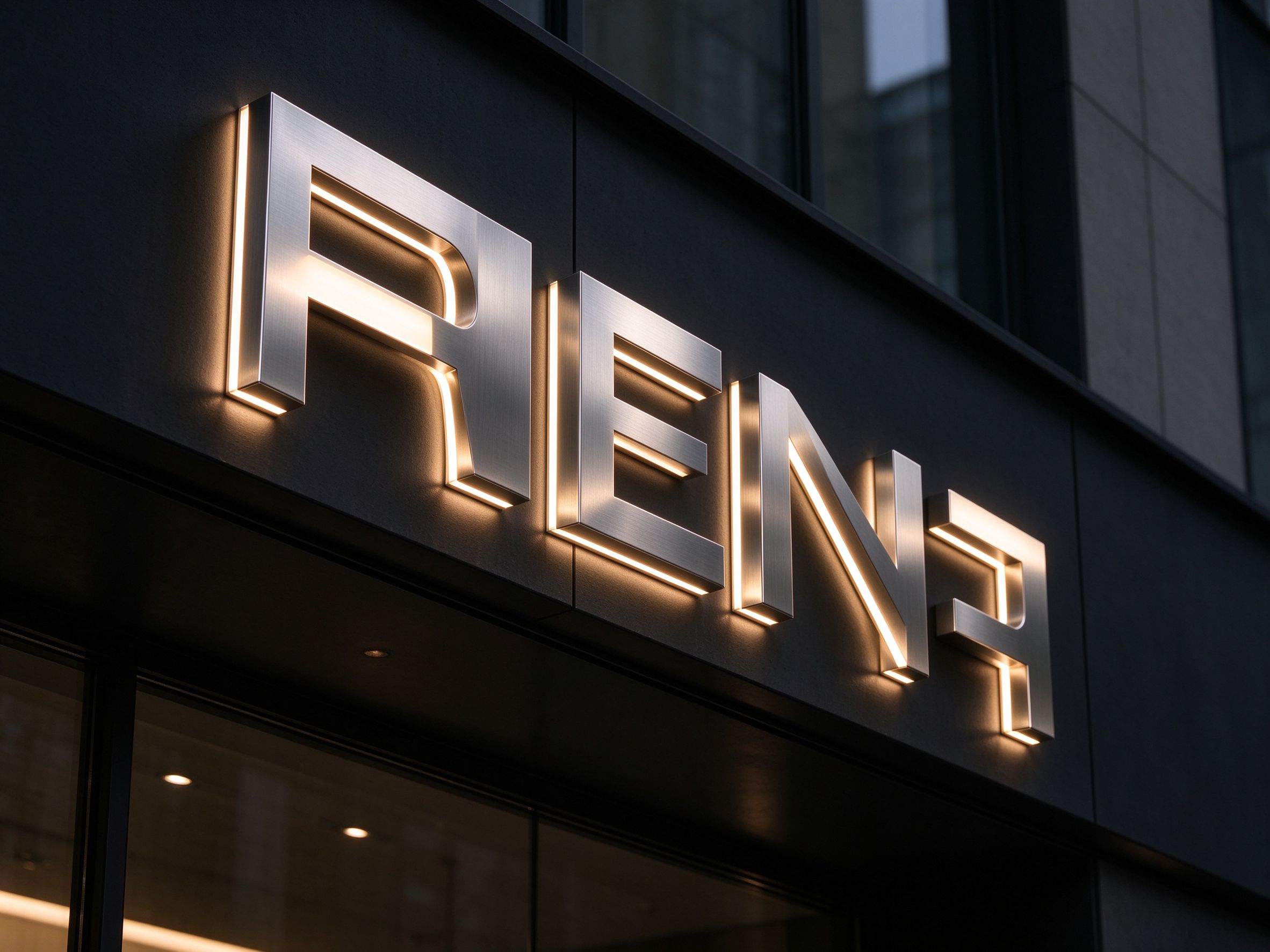
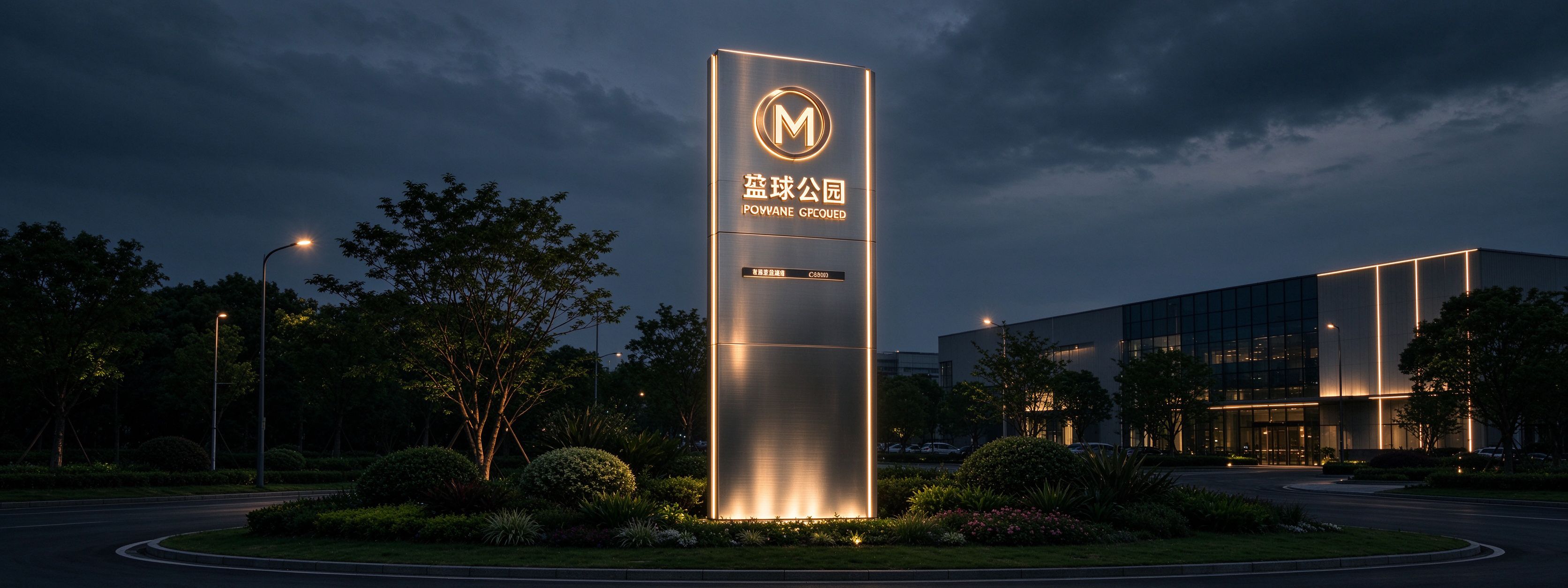
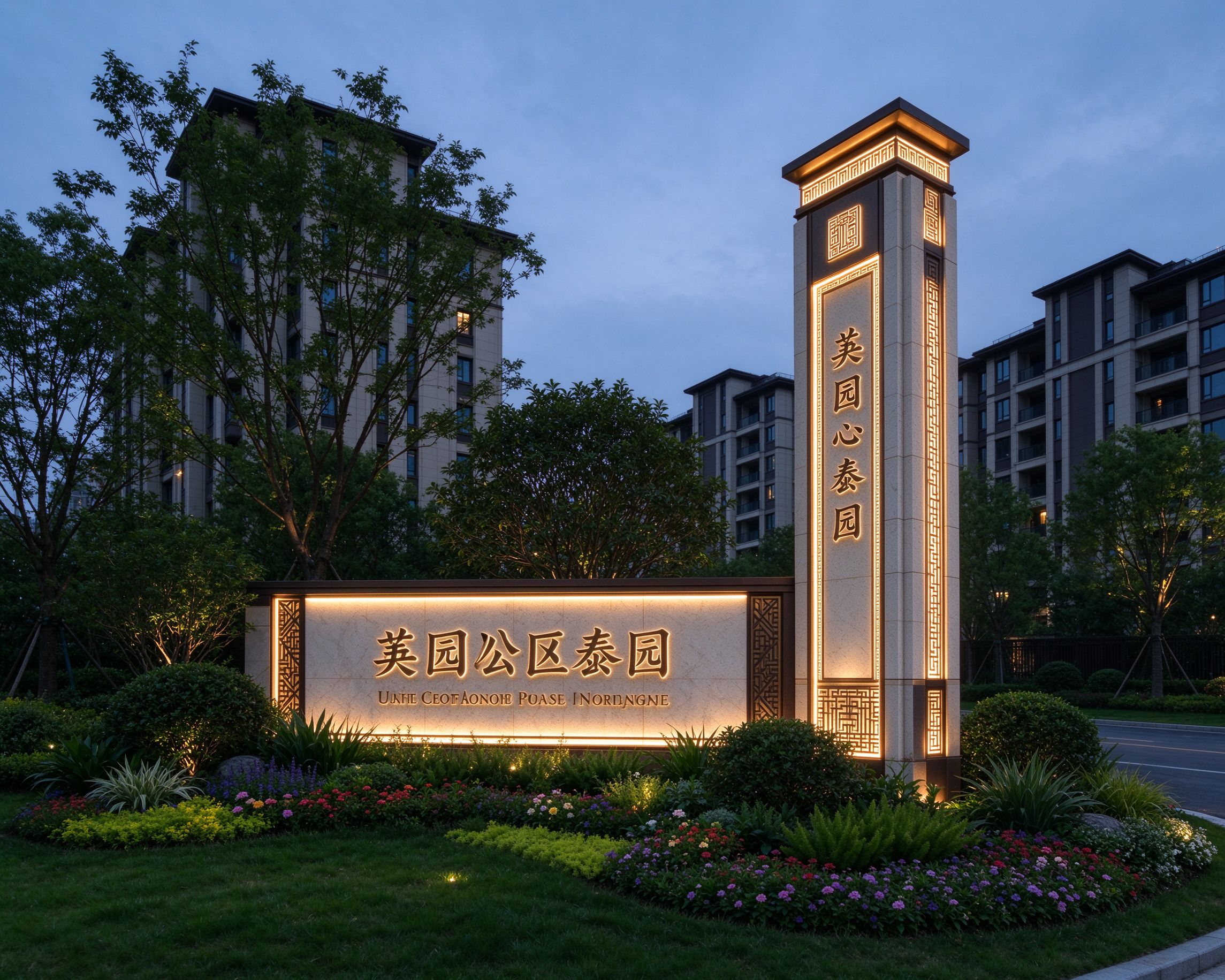
Lighting is the other half. Unlit exterior signs vanish at dusk, so illuminated options, from halo-lit letters to lit directional totems, keep paths readable after dark. For outdoor builds Duoyuan specifies IP65 enclosures and runs LEDs through a 48-hour aging test, with CE, UL and ISO alignment for export markets.
Materials that survive outside
Exterior wayfinding lives in sun, rain and temperature swings. Aluminium and stainless steel resist corrosion and hold finishes well; powder-coated steel offers a cost-effective durable option. Graphics should use UV-stable inks or protected acrylic faces so colours do not fade within a season. The right material balances lifespan against budget, and a good manufacturer will recommend grade based on the local climate.
Accessibility is not optional
Public and healthcare sites in many markets must meet accessibility rules covering letter size, contrast, pictograms and sometimes tactile or multilingual content. Designing accessibility in from the start is far cheaper than retrofitting. Contrast between text and background, simple pictograms, and consistent terminology across the site all help every visitor, not only those with disabilities.
Common questions about outdoor wayfinding
How many signs does a site need?
Fewer than most people assume, if placed at real decision points. Mapping visitor paths first prevents buying signs that no one reads. Quality of placement beats quantity.
Should outdoor wayfinding be illuminated?
If the site is used after dark, yes. IP65-rated, tested LED illumination keeps signs legible at night. Duoyuan burn-in tests LEDs for 48 hours before installation.
What material lasts longest outside?
Aluminium and stainless steel with UV-stable graphics perform well. The local climate and exposure should guide the final grade and coating.
Can one supplier handle design and install?
Yes. Duoyuan runs consultation, design, fabrication and installation as one service, which keeps drawings and on-site reality aligned. See case studies for examples.
How do I start a wayfinding project?
Share a site map and the paths visitors take via the quote page, or reach the team through the contact page.
Building paths that work
Outdoor wayfinding signage succeeds when hierarchy, placement, durable materials and accessibility come together before a single panel is cut. Duoyuan Advertising designs and fabricates these systems from its 5,000+ square metre Guangzhou factory, with lead times of 10 to 25 working days and export to more than 30 countries. Explore our solutions or start a conversation about your site.