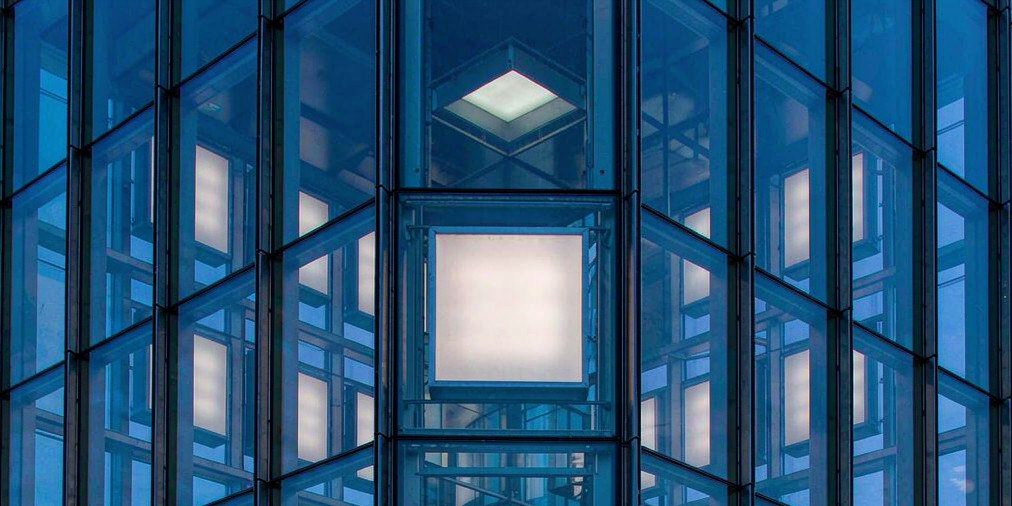
Why illuminated letters still own the high street at dusk
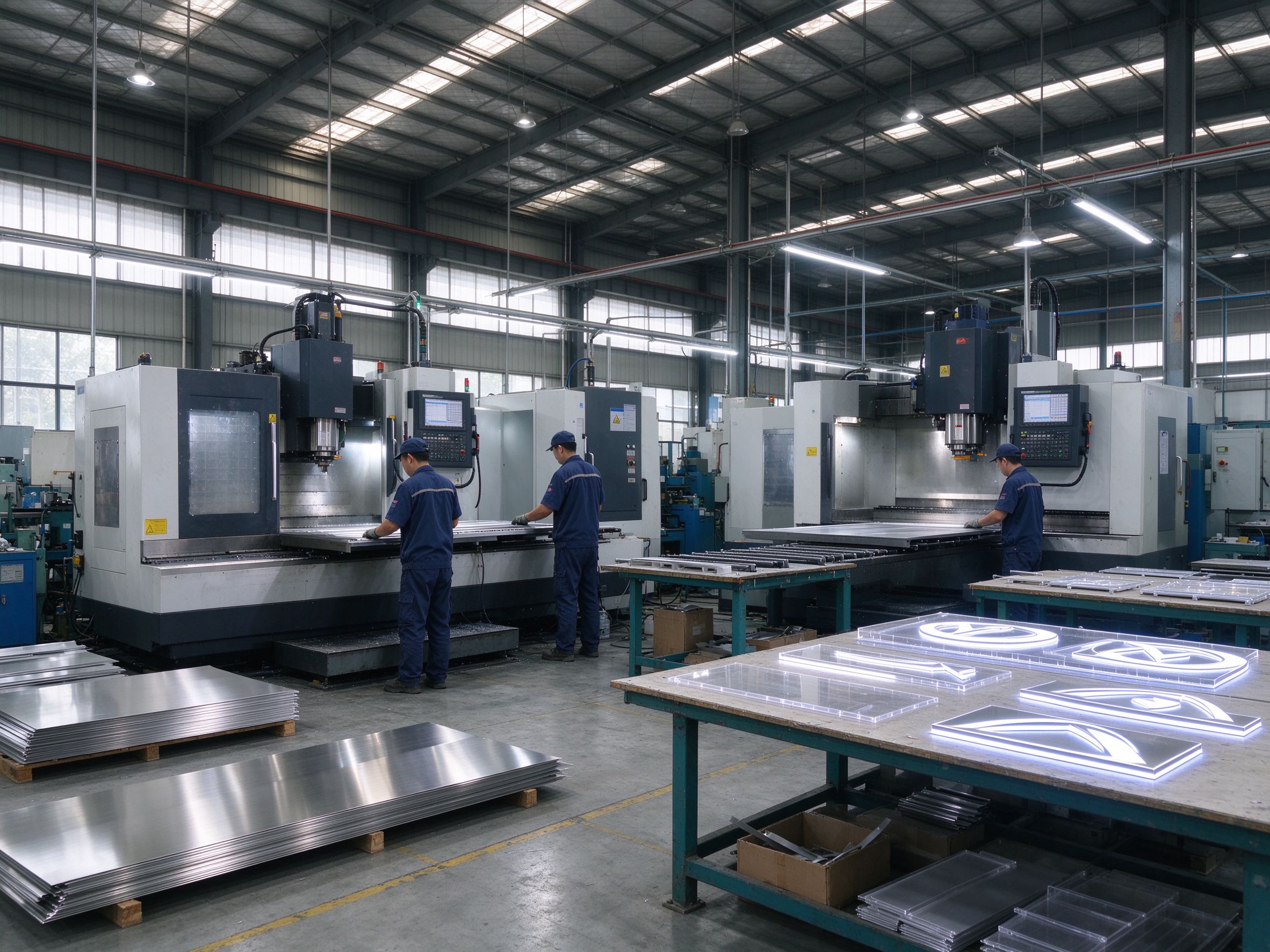
Walk down any commercial street as the light fades and the signs that hold your attention are the ones that make their own light. Illuminated channel letters sit proud of the facade, throw a controlled glow, and keep a brand readable long after daylight has gone. For a retail store, a restaurant or a corporate entrance, that continuous visibility is not a decorative extra. It is the difference between a business someone notices from the pavement and one they walk straight past. Duoyuan Advertising has fabricated these signs for more than a decade from a 5,000+ square metre factory in Guangzhou, and ships them to customers in over 30 countries.
Behind the clean look of a lit logo is a chain of decisions that decide whether the sign still reads sharply a decade later or looks tired after a single wet season. The grade of metal in the returns, the consistency of the LEDs, the sealing of the enclosure and the way the letters mount to the wall all matter. A one-stop manufacturer earns its place by getting these unglamorous details right, not merely by shaping metal into a recognisable outline.
How a channel letter is actually built
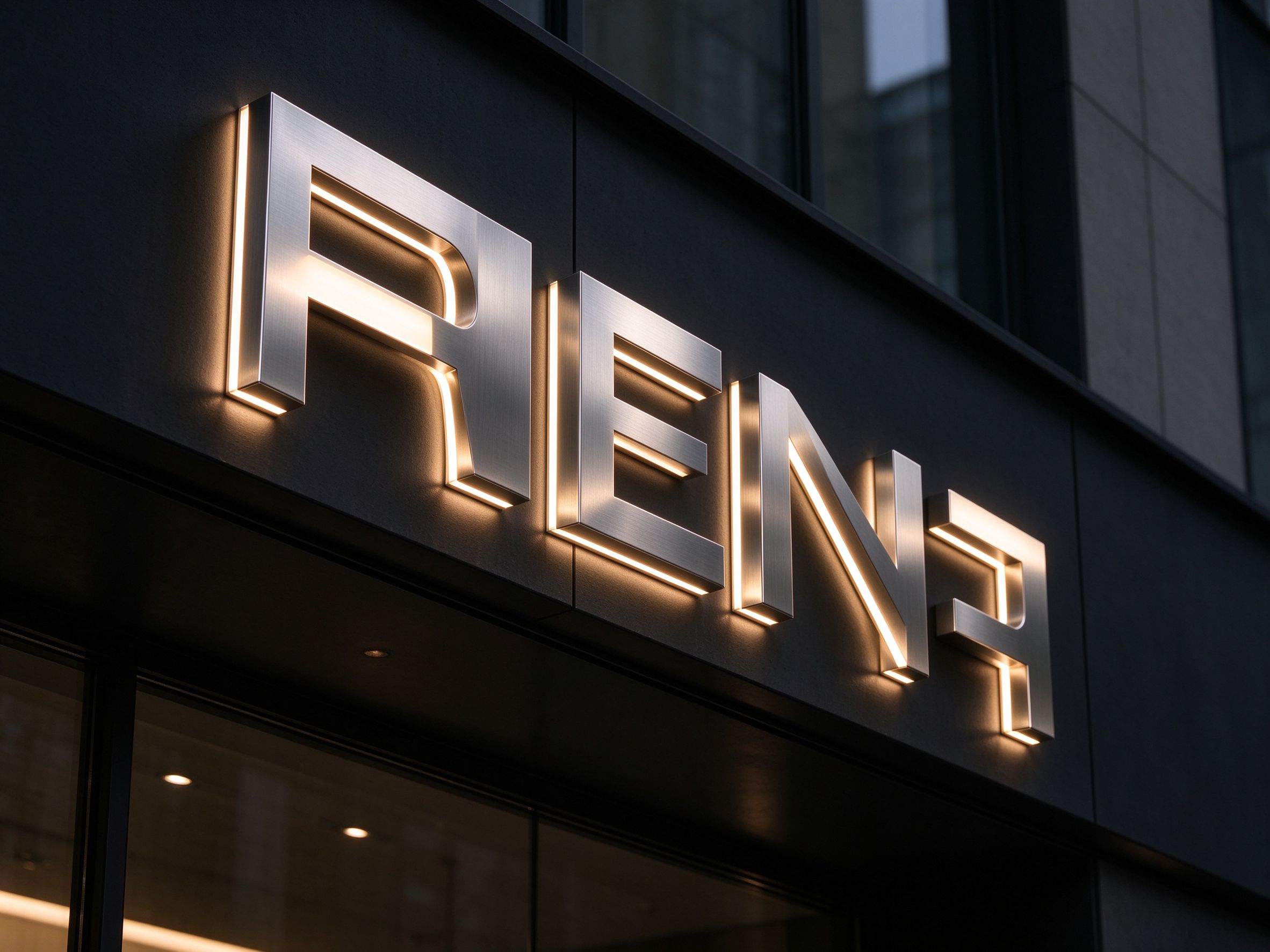
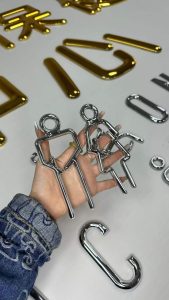
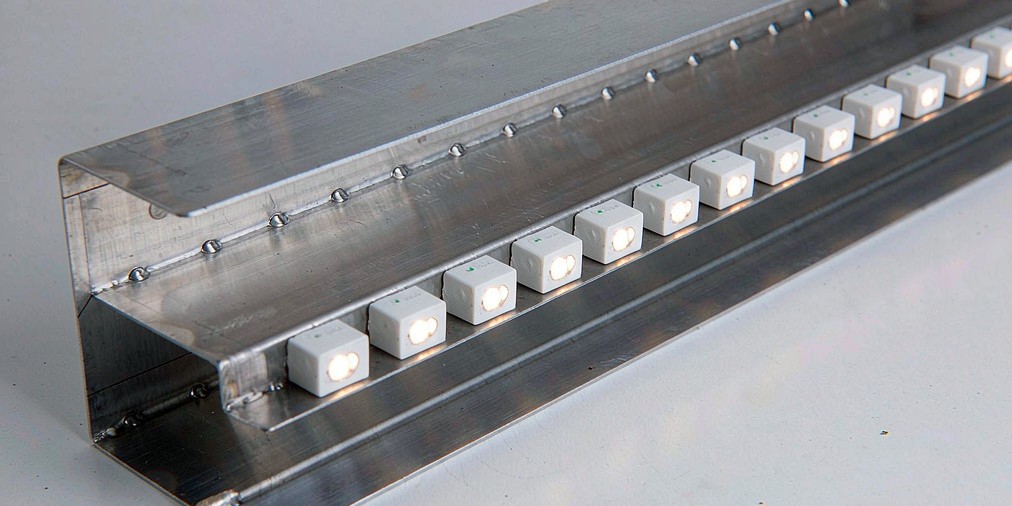
A channel letter is a hollow metal shell formed to the shape of a character, with a translucent face that lets light escape. The back plate and the returns, the vertical sides that give the letter its depth, are usually cut from aluminium or stainless steel. A fabricator welds the returns to the back, dresses the seams by hand so no rough edge catches the light, and fits a diffuser face cut to the same profile. Inside the shell, LED modules are fixed along the returns so the face lights evenly from edge to edge. The finished letter is then mounted on standoffs that lift it clear of the wall, which both protects the facade and gives a halo-lit sign the gap it needs to cast its glow.
Choosing the metal for the returns
Stainless steel delivers a dense, premium appearance and excellent resistance to corrosion, which is why it suits flagship stores and corporate headquarters where the sign is part of the architecture. It is heavier and costs more, but it holds a brushed or mirror finish beautifully. Aluminium is lighter and more economical, a sensible choice for very large letters or for projects where shipping weight and roof loading are constraints. Both can be powder-coated to match a specific brand colour. The decision is rarely about which metal is universally better; it is about which one fits the facade, the climate and the budget.
Coastal locations deserve special attention. Salt in the air accelerates corrosion on lower grades of steel, so a marine-grade alloy or a properly sealed aluminium build is worth the premium. A manufacturer who asks about the installation environment before quoting is usually a good sign; one who does not may be planning to supply the same specification to every customer regardless of where the sign ends up.
Face-lit, halo-lit or edge-lit
These three illumination styles are often described as if they compete, but each solves a different problem. Face-lit letters put the glow in front of the letter, producing the brightest and most legible result at distance, which is why they dominate busy retail strips and roadside signage. Halo-lit, also called reverse-lit, letters send light backwards onto the wall behind the sign. The letter face itself stays darker while a soft outline appears around it, creating a refined effect that suits hotels, professional offices and luxury brands. Edge-lit letters push light through an acrylic face so the whole front glows evenly with a slim modern profile.
The wall matters most for a halo-lit sign. A dark matte surface makes the glow pronounced and elegant, while a pale or reflective wall washes it out. That is why design and installation must be considered together: the most beautiful reverse-lit lettering can look flat if it is mounted on the wrongbacking. Ask to see examples on surfaces similar to your own before committing.
The quality checks that separate a lasting sign
Two details do more than any others to predict how a sign will age. The first is LED consistency. Modules are manufactured in bins, and mixing bins in a single sign produces a face with subtly different colour temperatures from letter to letter, painfully obvious once the sign is lit at night. A careful fabricator buys to a tight bin specification and tests a finished letter before releasing it. The second is aging. Duoyuan runs LED modules through a 48-hour aging test before a sign leaves the factory. That burn-in surfaces early failures while the sign is still on a workbench, rather than after it has been crated, shipped across an ocean and bolted to a wall where replacement is expensive.
For exterior installations, enclosures are specified to IP65. That rating means the build is dust-tight and resists low-pressure water jets from any direction, which covers the rain and splash a facade sign meets in normal service. It is not the same as being submersible, and a supplier who claims otherwise is overselling. Combined with UV-stable coatings and corrosion-resistant metal, IP65 protection keeps both the light output and the finish intact through years of sun, rain and temperature change. Products are built with CE, UL and ISO alignment appropriate to the destination market, so importers can document compliance rather than argue about it at the border.
From shop drawing to finished facade
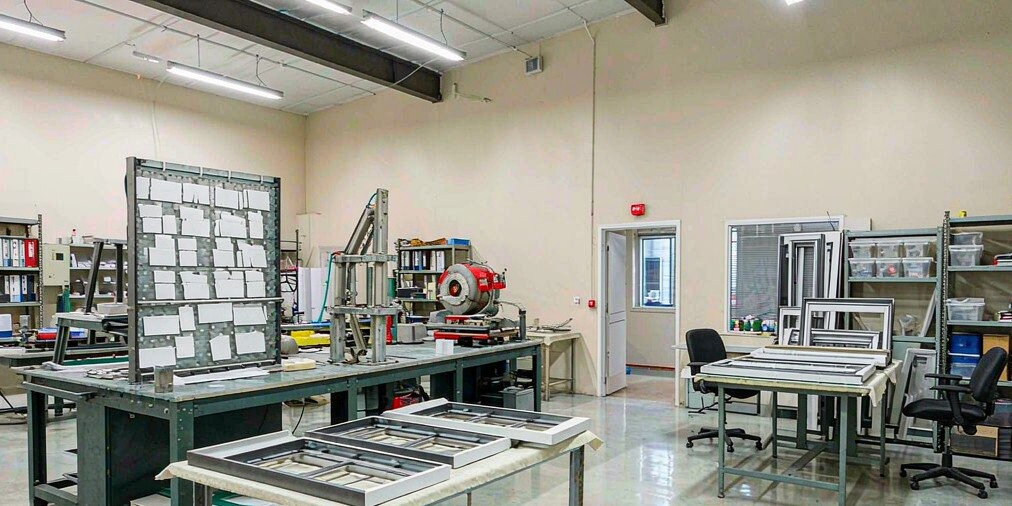
A sign is only as good as the hand-offs between the people who design it, build it and mount it. When those stages sit with separate vendors, drawings drift away from what the workshop can actually make, and the install crew inherits someone else’s assumptions about fixings and power. Duoyuan keeps consultation, concept design, detailed engineering, fabrication, and delivery and installation under one roof, so the team that drew the letter is accountable for the facade that goes up. That continuity shortens the schedule and removes the familiar scenario where a designer blames a fabricator and a fabricator blames the installer.
The process starts with a site survey and a conversation about what the sign needs to achieve. Concept designs follow, then detailed drawings that lock in dimensions, fixings, cable routes and illumination. Fabrication happens in the Guangzhou factory, where the aging test and a final lit inspection take place before crating. Export packing is designed to survive transit, and the same project team coordinates the handover on site. Typical lead time from order to delivery runs 10 to 25 working days depending on size and complexity, with larger programs scoped individually.
Common questions about illuminated channel letters
Can illuminated letters be used outdoors all year?
Yes, when they are built to IP65 with weather-stable finishes and tested LEDs. Duoyuan’s 48-hour burn-in and sealed enclosures support exterior installation in demanding climates, from humid coastal cities to places with heavy seasonal rain.
Which illumination style is the brightest?
Face-lit letters are the brightest and the most legible from a distance. Halo-lit letters are subtler and depend on the colour and texture of the wall behind them, while edge-lit letters offer an even modern glow with a slim profile.
How long does production take?
Lead time from order to delivery is typically 10 to 25 working days. Complex multi-store programs and unusually large letters are scoped during consultation so the schedule reflects the real workload.
Can the colour match our brand exactly?
Yes. Provide Pantone or RAL references and the team will match the metal finish and select LEDs with a colour temperature that keeps the lit sign consistent with your identity system rather than drifting warm or cool.
How is the sign mounted, and will it damage the wall?
Most letters are fixed to a hidden pattern of standoffs anchored into the facade. A proper survey determines the fixing type for the wall material, and the standoffs create a gap that both protects the surface and, for halo-lit signs, produces the glow.
Where can I see more options?
Browse the illuminated letters page, review completed projects, or start a quote request by sending your artwork and a photo of the facade.
Bringing a facade to life
Illuminated letters reward careful specification: the right metal for the environment, the right lighting style for the brand, LEDs proven by a burn-in test, and a weather-rated enclosure. Duoyuan Advertising delivers all of that from a single Guangzhou factory with export to more than 30 countries and a one-stop process that carries the project from drawing to installation. To discuss a facade project, reach the team through the contact page or read more about the capabilities behind every sign.