Why signage projects need active management
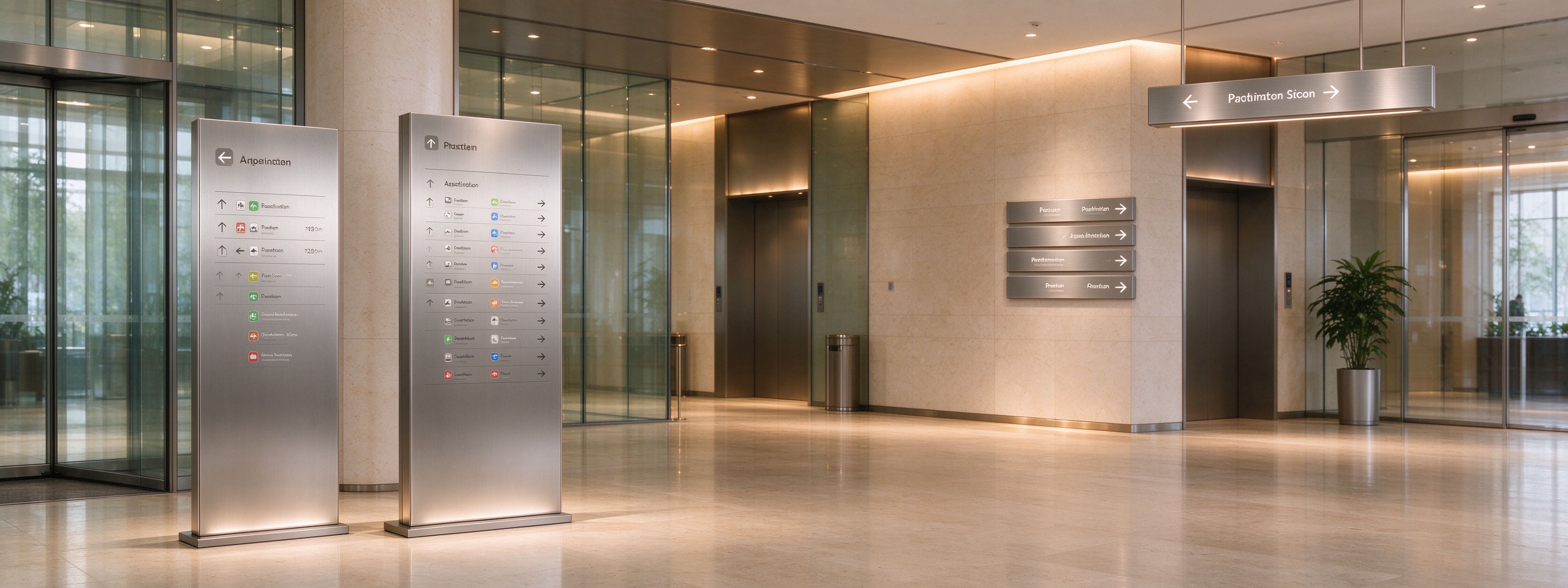
A custom sign begins as a sketch and ends as a heavy object fixed to a wall, often in a different country from where it was made. Between those two points sit dozens of decisions about dimensions, materials, lighting, fixings, freight and timing. Without someone owning the whole sequence, those decisions drift. The drawing says one thing, the workshop builds another, and the installation crew arrives to find a facade that does not match the plan. Project management is the discipline that keeps the intent intact from first conversation to final fixing, and it matters more on a signage order than on many other manufactured products because almost every sign is unique.
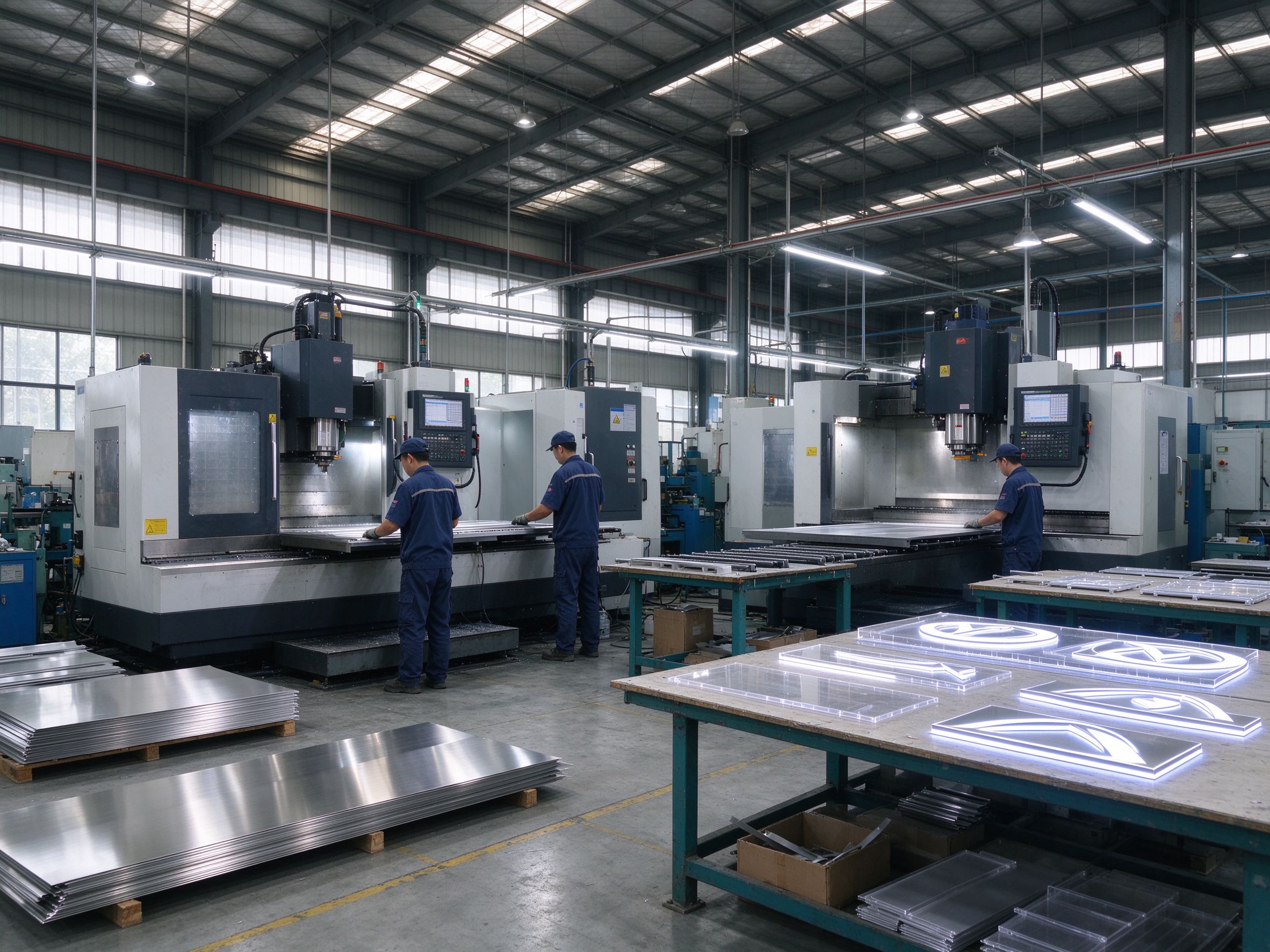
Duoyuan Advertising runs this process from a 5,000+ square metre factory in Guangzhou, exporting to more than 30 countries. Managing projects across that distance has shaped a workflow built around clear gates, documented approvals and a single point of accountability.
The site survey sets the boundaries
Every well-run project starts with information about the site. Dimensions, mounting surfaces, power availability, access for installation and local weather exposure all constrain what can be built. A sign designed without those facts may look correct on paper yet prove impossible to mount or maintain. A survey, supported by photographs and measurements from the customer, establishes the boundaries within which the design must work.
For overseas projects the survey is often remote. The customer sends facade photos, a site plan and measurements, and the design team asks targeted questions until the gaps are closed. That exchange is not bureaucracy; it is the cheapest place to resolve uncertainty. A bracket detailed for a masonry wall will not suit a glass curtain wall, and discovering that before fabrication saves weeks.
From concept to approved shop drawings
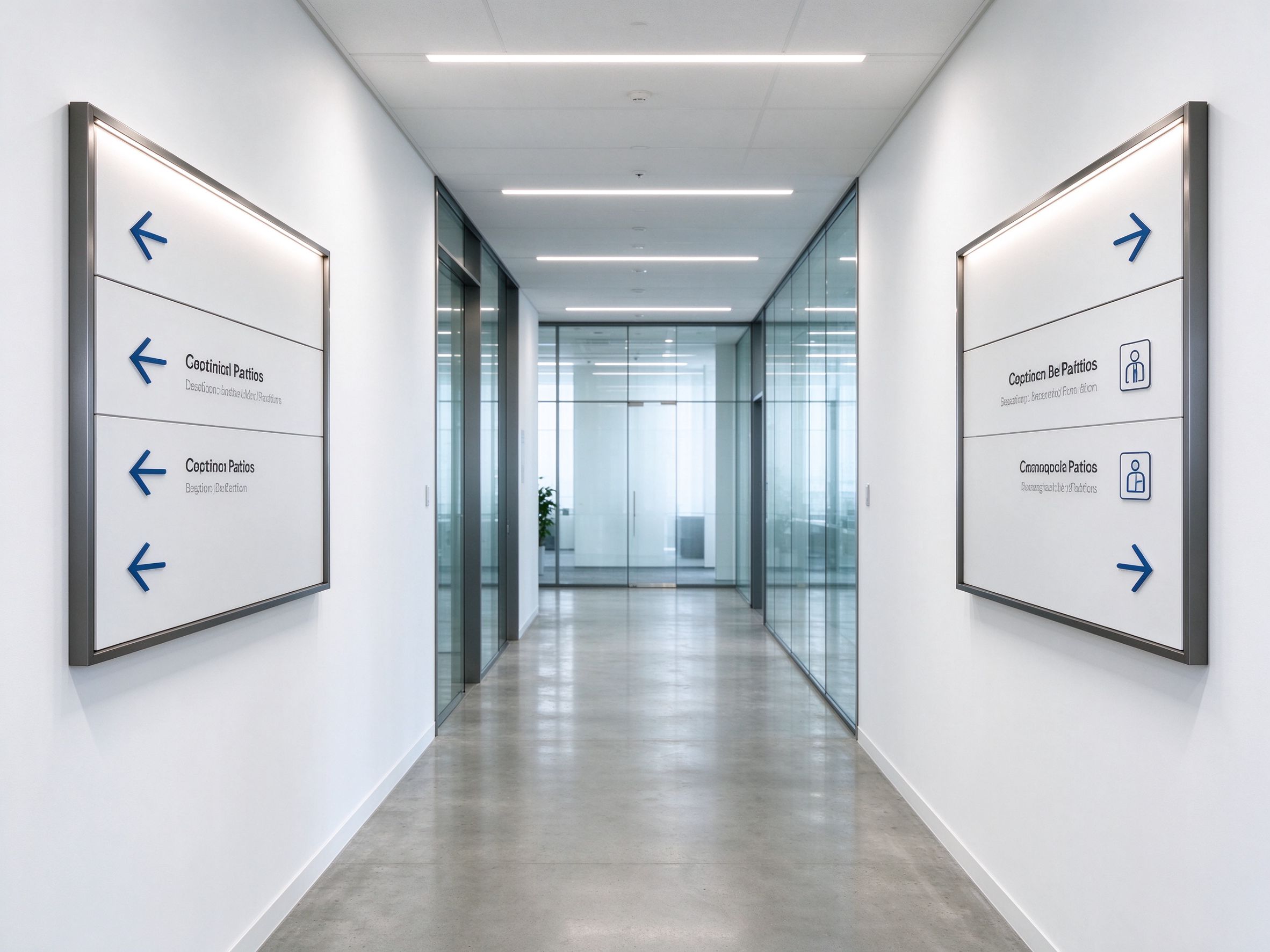
Once the boundaries are known, concept design explores the look: lettering style, material, illumination and how the sign sits with the architecture. When the client approves a direction, the concept is translated into detailed shop drawings. These documents carry the information the factory and the installer actually need, including exact dimensions, material callouts, LED layout, fixing positions and cable routing.
Shop drawings are a formal approval gate. The customer signs off before fabrication begins, which means changes are cheap before cutting starts and expensive afterwards. Treating that gate seriously is the single most effective way to keep a project on schedule. A buyer who reviews drawings carefully, asks questions and approves in writing removes a large share of the risk that otherwise surfaces at delivery.
Fabrication, testing and the approval sample
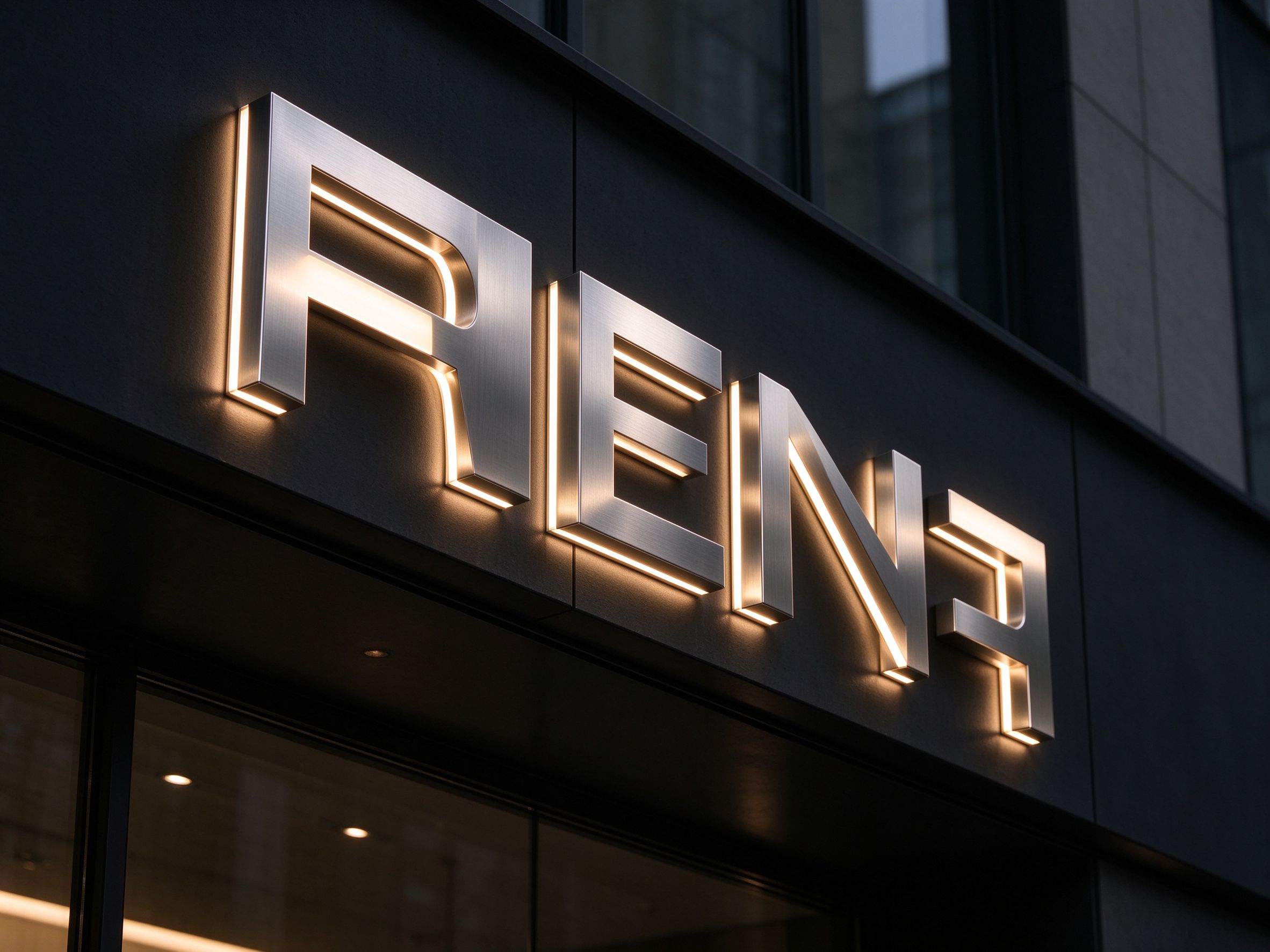
With drawings approved, the project moves into fabrication. Metal is cut and formed, faces are prepared, and LED modules are fitted to the returns. Along the way, checkpoints verify that dimensions match the drawings and that materials match the specification. Illuminated components are tested, and Duoyuan runs LEDs through a 48-hour aging test so early failures appear on the bench rather than on a facade overseas.
For larger programs, an approval sample is made first. The customer sees and signs off a physical unit before the full batch is produced. This is particularly valuable on retail rollouts, where dozens of identical signs must look consistent. Approving a sample turns a subjective expectation into a measurable standard that the factory can repeat.
Freight, documentation and customs
An export signage project adds a logistics phase that domestic orders never face. Goods must be crated to survive handling and long transit, documented accurately for customs, and routed to a port that makes sense for the destination. Export packing is part of manufacturing, not an afterthought: components are protected against movement and moisture, and fragile faces are separated and cushioned.
Documentation travels with the shipment. Packing lists, commercial invoices and any certification documents such as CE, UL or ISO alignment must agree with one another, because discrepancies cause delays at the border. Product lead time from order to delivery is typically 10 to 25 working days, with freight time additional, so building a realistic calendar around both numbers is part of managing expectations.
Coordination on site
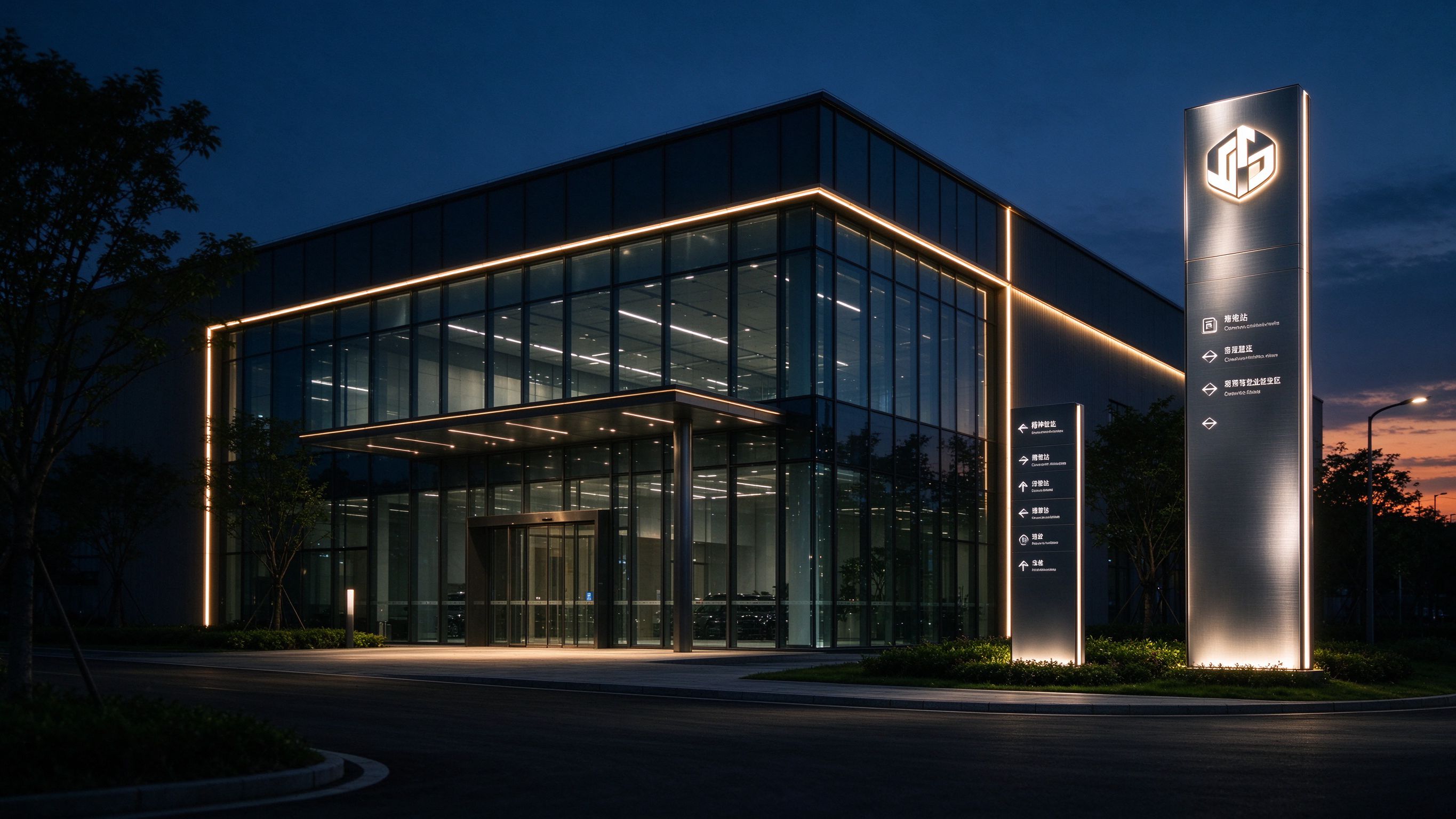
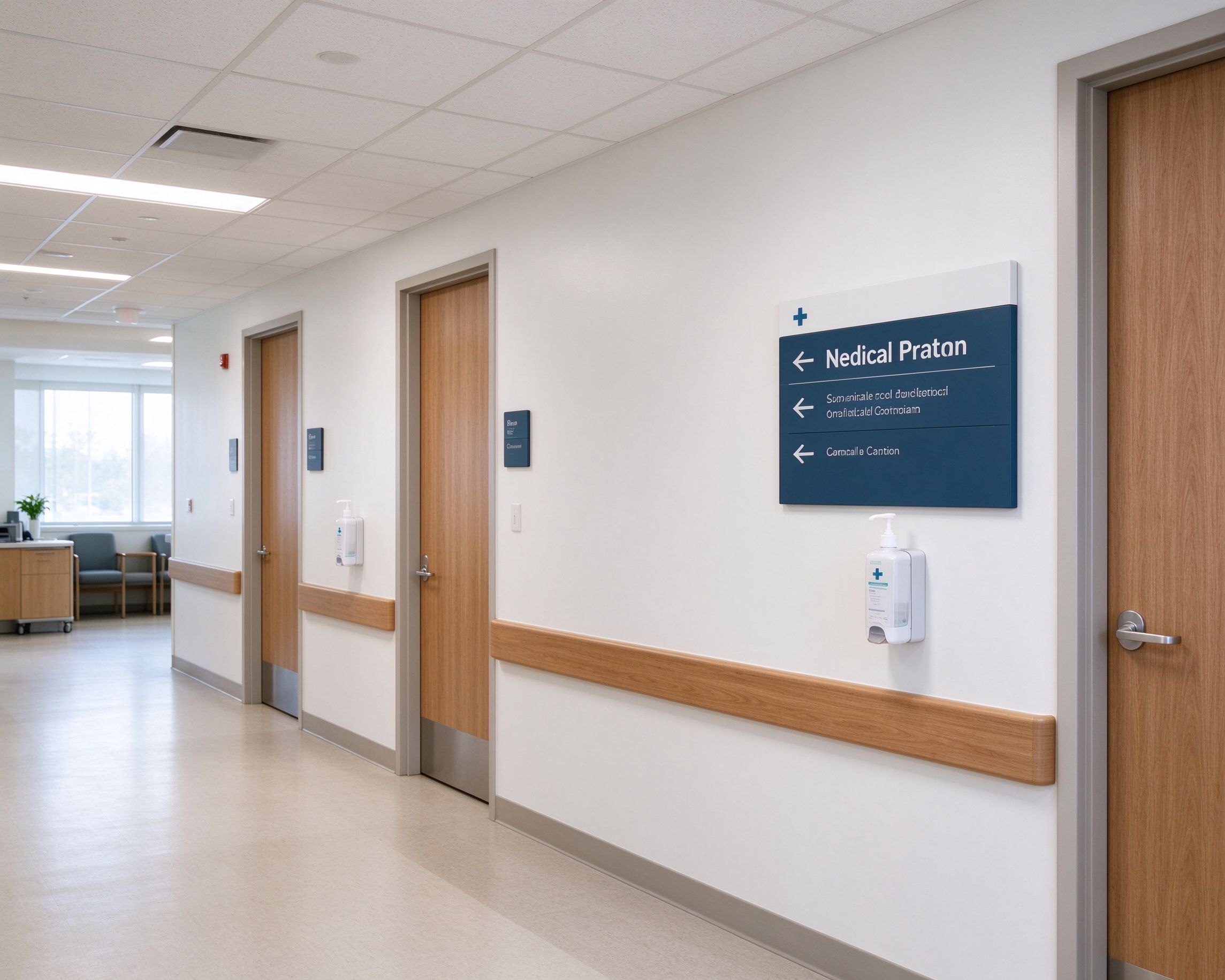
The final phase is installation. Even with perfect manufacturing, the result depends on coordination with the site: access, lifting equipment, power connection and the condition of the mounting surface. Duoyuan handles design, fabrication and installation within one service, so the team interpreting the drawings is responsible for the outcome on site. That continuity prevents the familiar dispute in which a designer blames a fabricator and a fabricator blames the installer.
A short handover checklist closes the project: the sign is inspected lit, fixings are confirmed, and the customer receives the inspection records and photographs taken before shipment. Those records are valuable later, when a warranty question arises or a future extension to the program needs to match the original build.
Setting a realistic schedule with the customer
One of the most useful things a project manager can do early is to turn vague timing into a written calendar. A customer may say a sign is needed for an opening, but the opening date, the date the sign must be installed, the date it must leave the factory and the date drawings must be approved are four different points. Working backwards from the fixed event and allowing realistic time for each stage produces a plan everyone can follow. It also reveals impossible requests while they can still be negotiated, rather than weeks later when freight has already been booked.
Building in contingency is part of that realism. Approval loops take longer than expected, weather delays installation, and shipping schedules move. A plan that assumes every step goes perfectly will fail at the first disruption. A plan that reserves a reasonable buffer absorbs the small surprises without becoming a crisis, and it lets the team tell the customer honestly when a date is at risk.
Communication as a project tool
Most project failures are communication failures in disguise. A change agreed on a phone call but never written down becomes a dispute when the invoice is prepared. A question about a material that goes unanswered for a week becomes a delay. Good management treats communication as a deliverable: decisions are recorded, drawings are versioned, and the customer receives periodic updates with photographs from the factory floor. Those updates are not decorative; they let a buyer see progress and raise concerns before the sign is crated.
For overseas clients, a single named contact makes an outsized difference. Dealing with one person who knows the whole project is far simpler than being passed between a salesperson, a designer and a production supervisor, each of whom knows only their own stage. Duoyuan’s one-stop structure supports that continuity, keeping responsibility clear from enquiry through handover.
Common questions about managing a signage project
What causes most signage project delays?
Late design changes and incomplete site information. Approving shop drawings before fabrication and supplying accurate measurements early removes the two most common sources of delay.
How long does a custom project take?
Production lead time is typically 10 to 25 working days from order to delivery, with freight added for export. Complex programs are scoped individually during consultation.
What is an approval sample and do I need one?
It is a physical unit built to the final specification and signed off before the full batch. It is especially useful on multi-store rollouts where consistency across units matters.
Who handles installation overseas?
Duoyuan coordinates delivery and installation as part of the service, working from the same drawings used in fabrication so the on-site result matches the approved design.
Where do I start?
Visit the contact page, review completed projects, or send your facade details via the quote request form.
A process built for distance
Managing a custom sign is mostly about closing gaps before they become expensive: survey the site, approve drawings, test components, document the build and coordinate the installation. Duoyuan Advertising applies that process from its Guangzhou factory to customers in more than 30 countries. To discuss a project, explore capabilities or start a conversation today.