Why an illuminated address matters
A house number is one of the smallest signs a property carries and one of the most important. Delivery drivers, emergency services, guests and taxi drivers all rely on it, often after dark and in a hurry. A number that is hard to read at night causes missed deliveries, delayed arrivals and repeated phone calls. Illuminated house numbers solve that problem by making the address legible without relying on a porch light, turning a small detail into a genuine piece of wayfinding.
Beyond function, an illuminated number sets a tone. A sleek backlit numeral on a modern wall reads differently from a traditional plaque, and the choice contributes to the character of an entrance.
Choosing the material
Illuminated numbers are commonly made from acrylic, stainless steel or aluminium. Acrylic numbers are light, accept face or edge illumination well and can be produced in a range of colours. Stainless steel offers a premium, solid appearance and resists corrosion, making it suitable for exposed entrances and coastal properties. Aluminium provides a lighter, more economical option that still takes a durable finish.
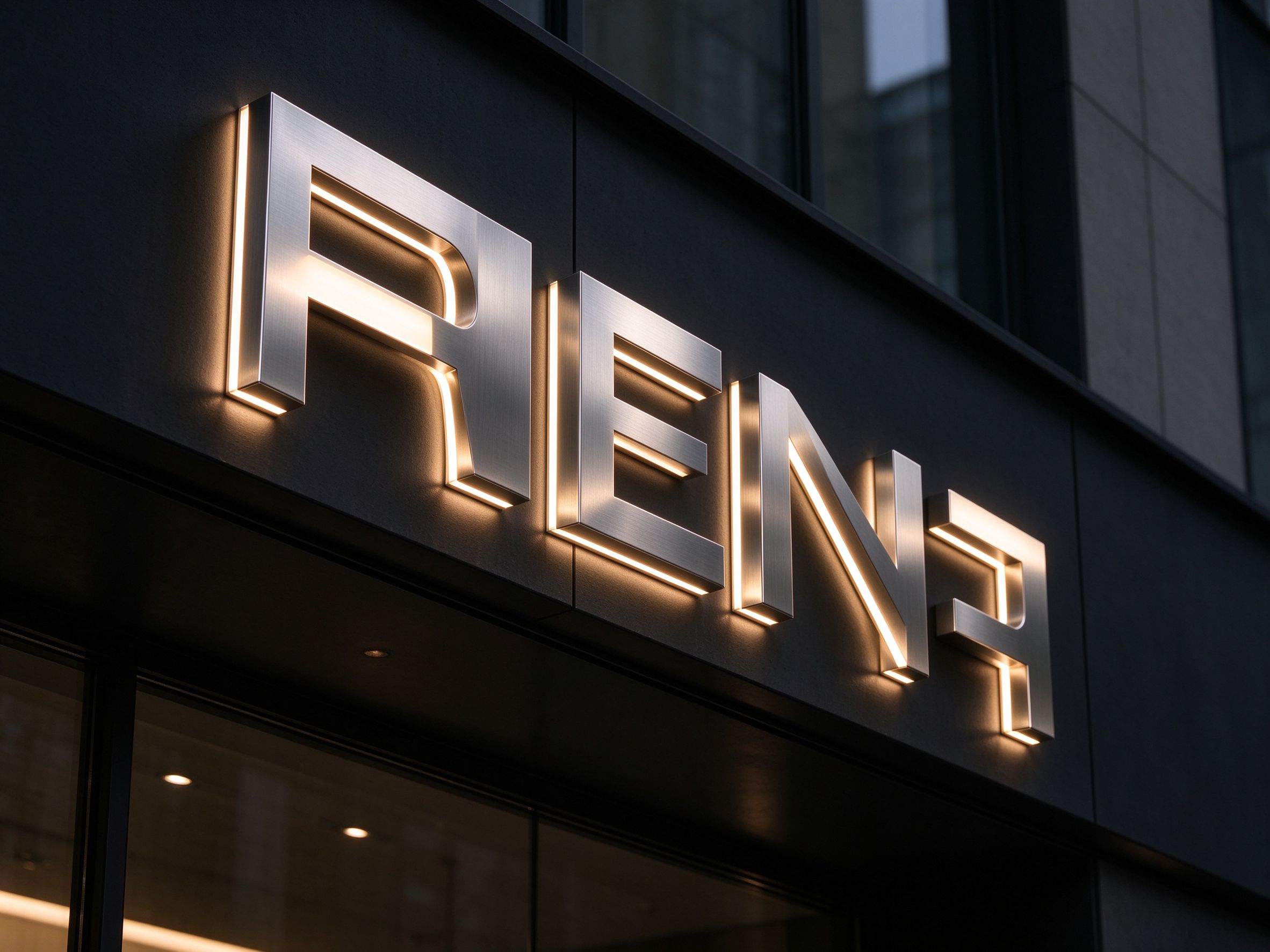
The backing surface matters as much as the numeral. A backlit or halo-lit number throws light onto the wall behind it, so a dark matte surface produces a crisp glow while a pale or glossy wall washes the effect out. Considering the wall and the number as one design prevents disappointment after installation.
Lighting styles explained
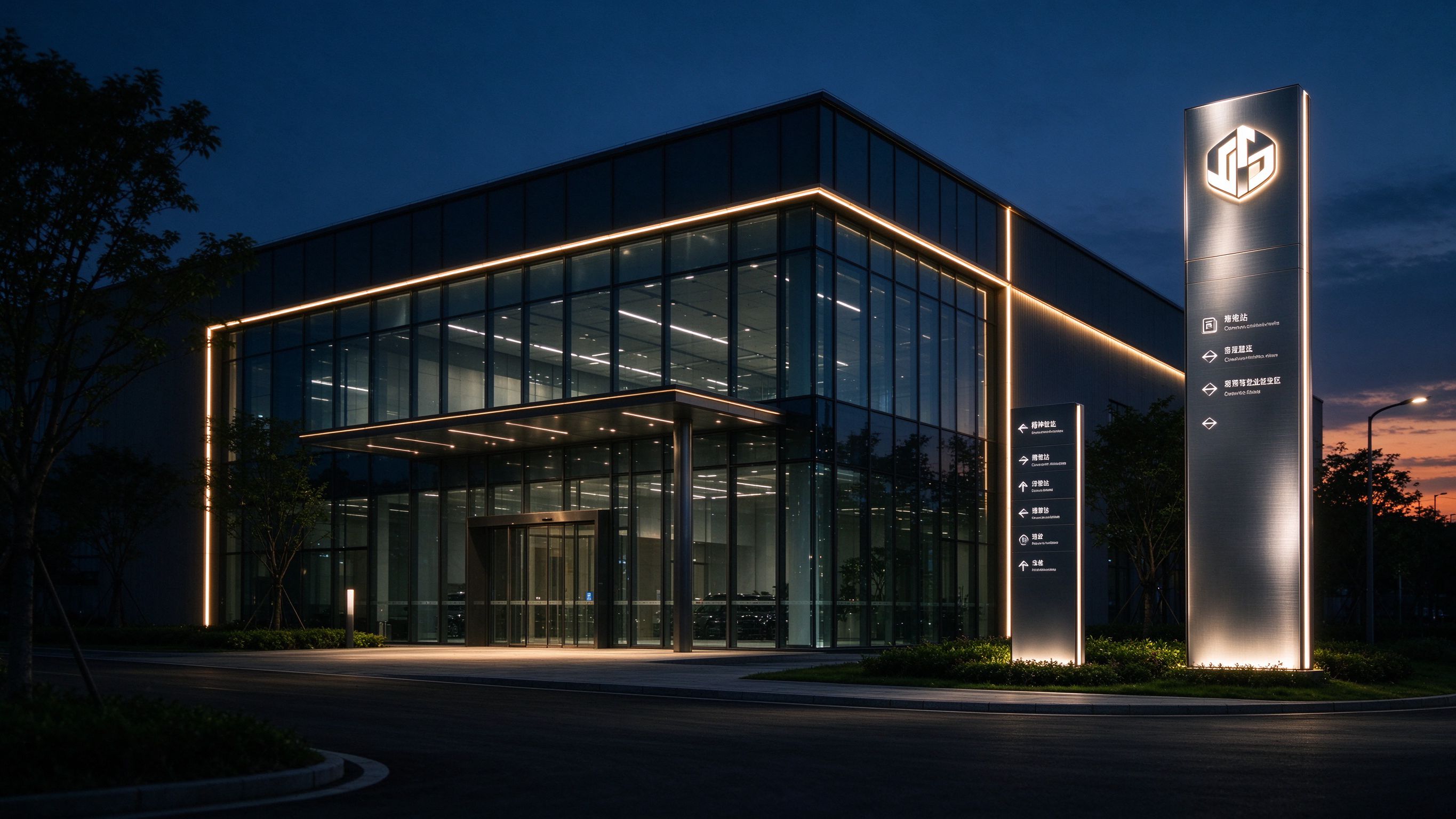
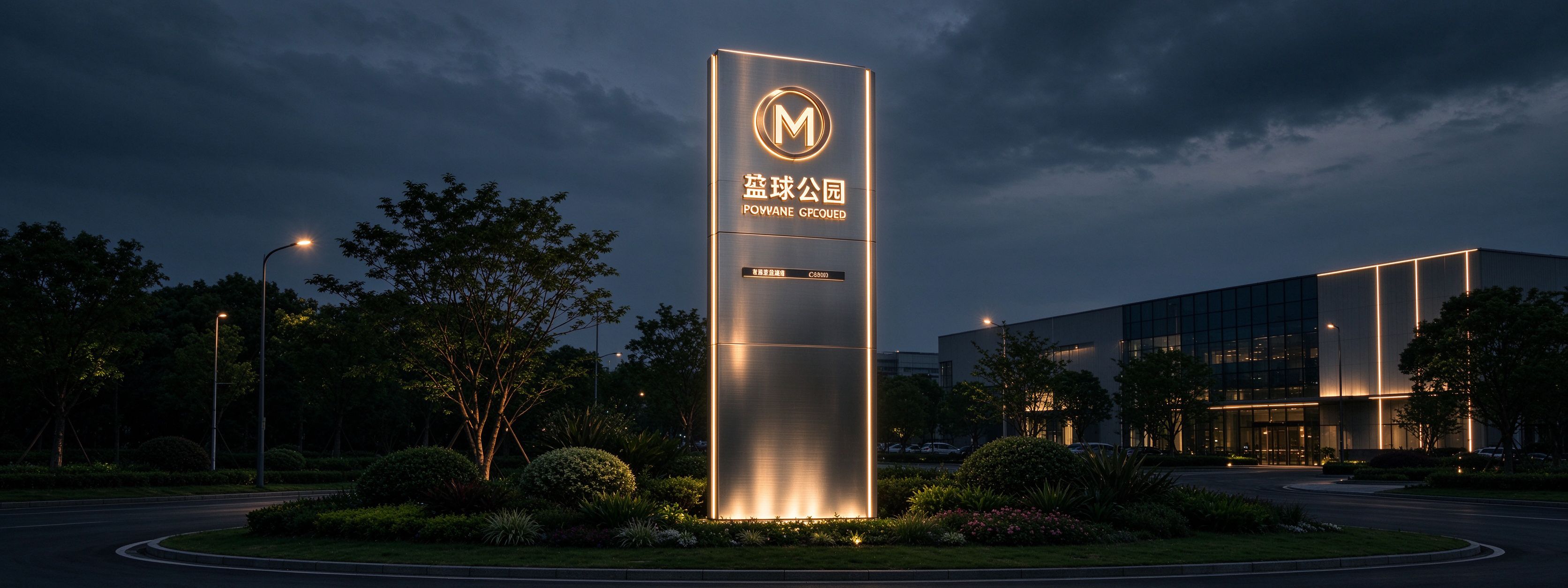
Face-lit numbers have a bright front and are the most legible from a distance, which suits long driveways and roads with passing traffic. Halo-lit numbers send light backwards onto the wall, creating a soft outline that reads as refined and architectural, ideal for a front door or courtyard. Edge-lit acrylic numbers glow evenly through the face with a slim modern profile.
The right style depends on how the address is viewed. A number read from a car needs face-lit brightness; a number seen by a guest standing at the door benefits from the subtlety of a halo.
Sizing and placement
Legibility is a function of size, contrast and distance. A number that suits a quiet cul-de-sac may be too small for a property set back behind a long drive. Check local requirements for address display where they exist, then size the digits so they can be read from the point where a visitor must decide whether to turn in. Mounting height should be consistent with the entrance and clear of landscaping that will grow over the number.
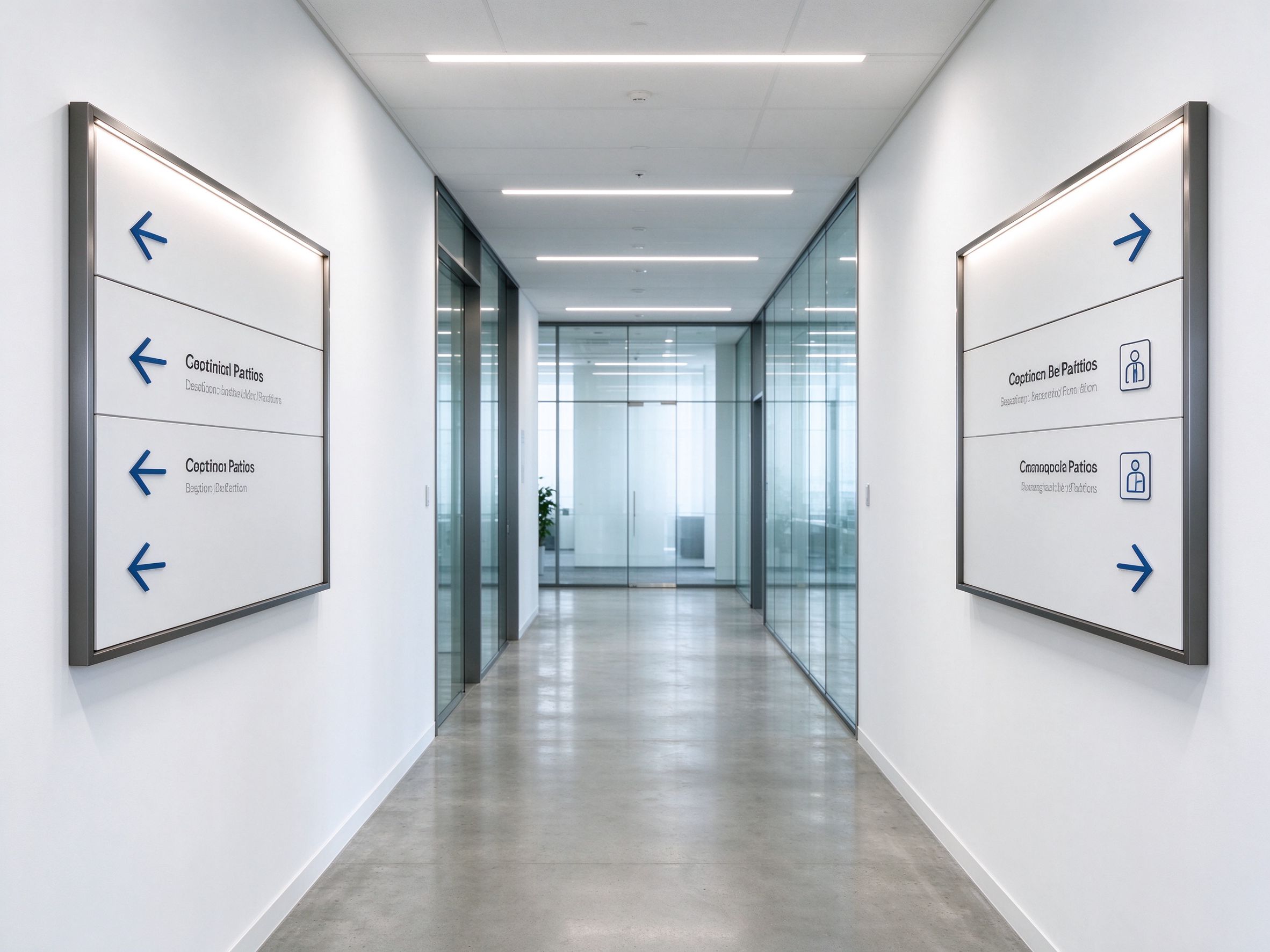
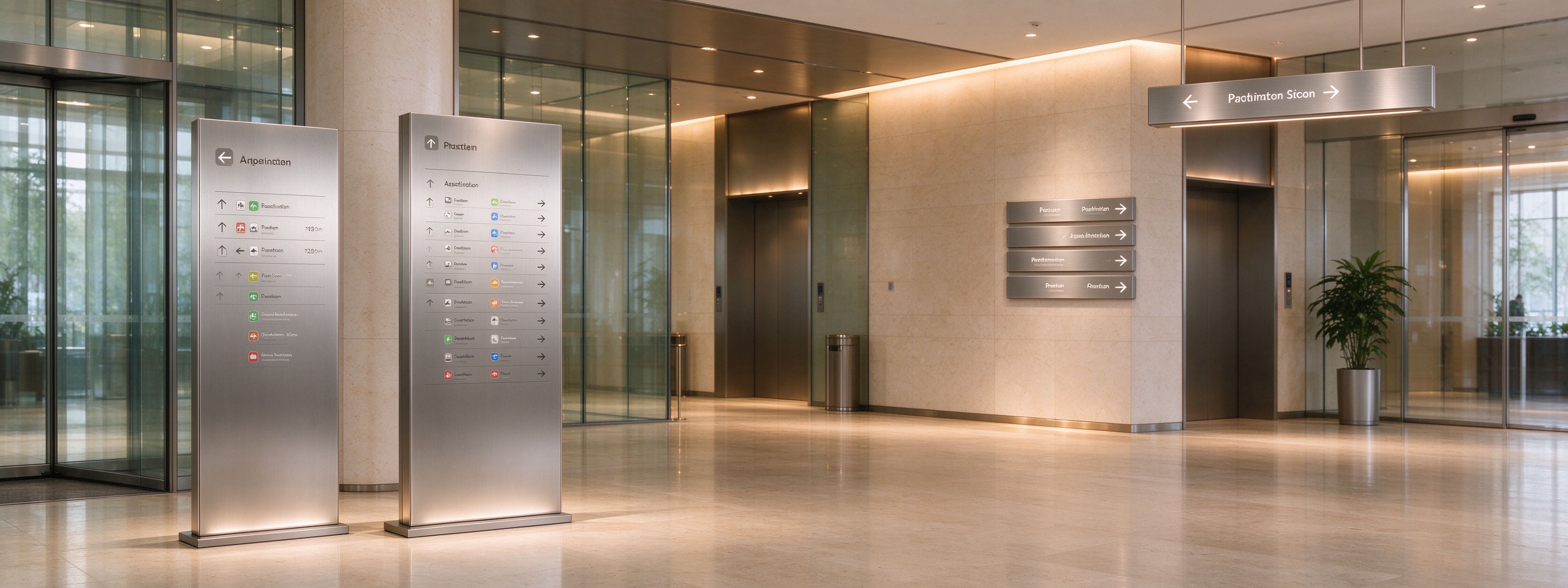
For multi-unit buildings, illuminated numbers are often paired with a directory panel. Combining unit identification with a clear building number helps visitors orient themselves quickly and reduces confusion for delivery services.
Weatherproofing and power
Outdoor address signs need to tolerate rain, dust and temperature change. Look for enclosures rated to IP65, which keeps moisture out of the LEDs and driver. Low-voltage LED systems are efficient and long-lived, and a transformer is usually mounted discreetly nearby. Planning the cable route during installation avoids visible wiring that undermines the clean look of the sign.
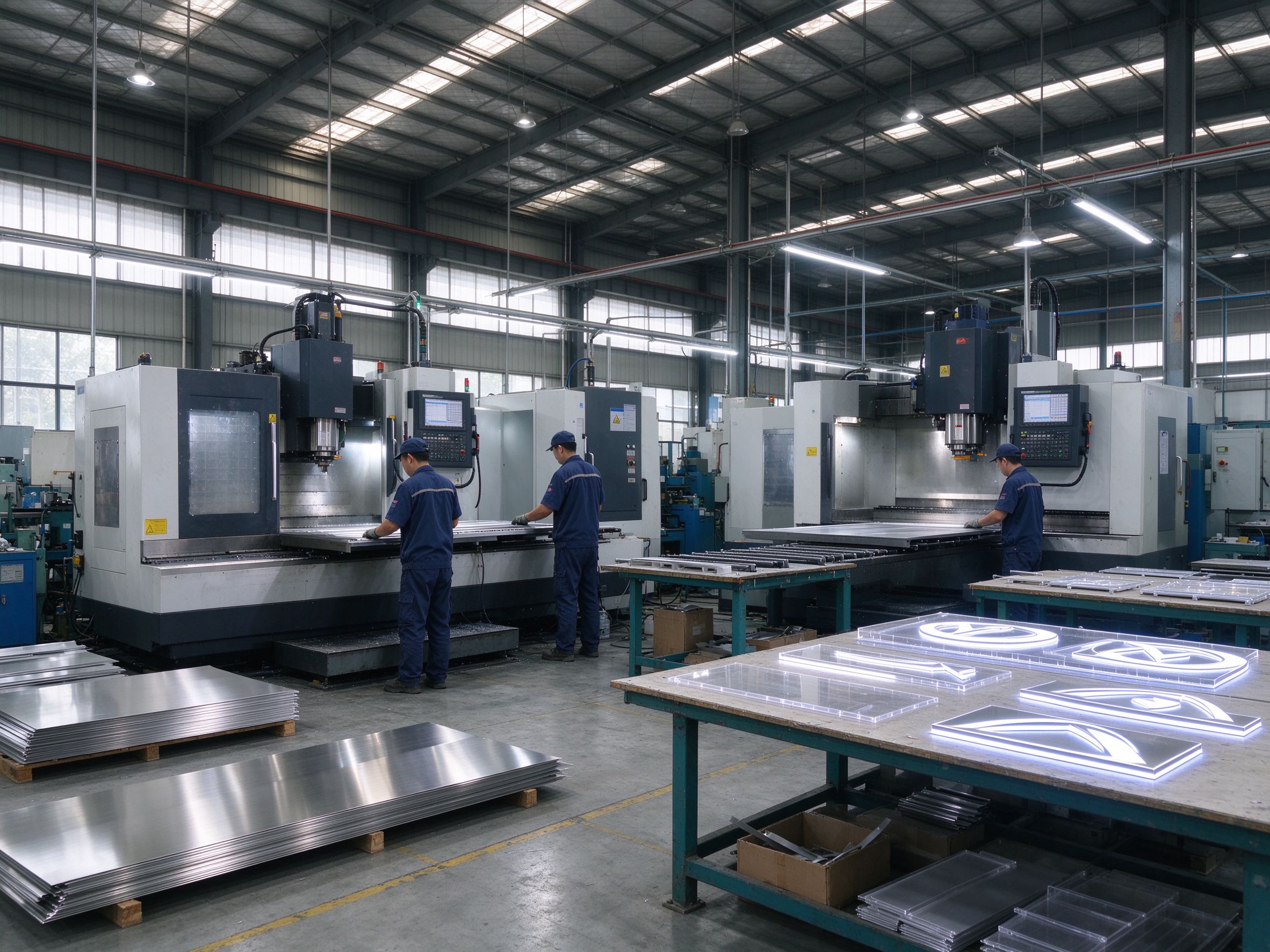
LEDs should be selected for consistent colour and tested before installation. Duoyuan runs modules through a 48-hour aging test and builds exterior products to IP65, with CE, UL and ISO alignment appropriate to the destination market.
Integrating the number with the entrance
An illuminated address works best when it is treated as part of the entrance rather than an object stuck beside it. Consider how the number relates to the door, the lighting and the approach path. A numeral mounted close to the door at eye height reads well for a visitor on foot, while one set higher on a wall or gatepost serves a driver approaching along the street. Some properties benefit from two: a large number visible from the road and a smaller one beside the entrance.
Architecture should guide the choice of typeface and finish. A clean sans-serif numeral in brushed metal suits a modern facade, while a traditional serif or a simple painted finish may sit better on an older building. The aim is a sign that feels intentional, as though it belongs to the design of the property rather than being added as an afterthought.
Working with a dark wall or a light wall
The wall behind an illuminated number is part of the sign. A halo-lit numeral on a dark wall produces a crisp, dramatic outline because the light has a strong surface to fall on. On a pale wall the same effect is weak, and the number can appear flat. If the wall is light, face-lit numbers are usually the better choice because their brightness does not depend on contrast with the background.
Glossy or reflective surfaces introduce another problem: they can bounce light back toward the viewer and create glare that obscures the numeral. A matte finish is safer for halo-lit installations. Where the wall material cannot be changed, testing a sample at night before committing to a full installation avoids a costly mistake.
Multi-unit buildings and shared addresses
On an apartment block or a small office building, a single illuminated number is rarely enough. Visitors need to identify the building and then find a specific unit. A well-organised system combines a prominent building number with a legible directory near the entrance and consistent unit labels on each door. Illumination at the directory helps after dark, and durable materials ensure the labels survive repeated handling and cleaning.
Consistency across the system matters more than any single element. The same numbering style, finish and terminology should carry from the street number to the unit door, so a visitor never has to wonder whether two different labels refer to the same place. Planning the whole set at once is more effective than adding pieces over time.
Installation and cable planning
A clean installation hides the practical parts. Plan the cable route before drilling, using existing conduit where possible and keeping the transformer close to the sign but out of sight. Low-voltage systems give flexibility, but the driver still needs a dry, accessible location so it can be replaced if it ever fails. Surface-run cable in dark grey or matched to the wall is far less noticeable than white cable crossing a facade.
Mounting should be secure and aligned. A number fixed perfectly level reads as deliberate; one mounted slightly crooked undermines the care the sign was meant to convey. Using a template for repeated numbers on a multi-unit site keeps every unit consistent and speeds the installation considerably.
Common questions about illuminated house numbers
Are illuminated numbers readable in daylight?
Yes, provided there is good contrast between the numeral and the wall. Face-lit numbers in a dark finish on a light wall remain clear in daylight, while halo-lit styles rely more on the wall colour for definition.
Which lighting style is best for a dark facade?
Halo-lit numbers perform beautifully on dark matte walls because the glow stands out sharply. Face-lit numbers also work, but the wall colour has less influence on their appearance.
Do illuminated numbers use much electricity?
No. LED systems draw very little power and run for thousands of hours, so running costs are minimal compared with a traditional porch lamp left on all night.
Can they be used in coastal areas?
Yes, when made from corrosion-resistant metal with a sealed enclosure. Stainless steel and IP65-rated builds are sensible choices for exposed or salty environments.
Where can I find more options?
Browse illuminated signage, review projects, or request a quote.
A small sign with a big job
Illuminated house numbers combine everyday usefulness with a clear design statement. Choose the material for the environment, the lighting style for the viewing angle and an enclosure that keeps water out. Duoyuan Advertising builds illuminated address signs from its Guangzhou factory with export to more than 30 countries. Contact the team through the contact page to discuss an address project.