A sign that works at road speed
Fuel stations are read from a moving vehicle, often at speed and in competition with everything else on the roadside. The signage has seconds to communicate identity, location and price. That pressure makes a gas station a demanding signage environment: the pylon must be visible from a distance, the canopy must carry the brand clearly, and the price display must be legible without the driver slowing to a crawl. Getting this right is a blend of structural engineering, lighting and information design.
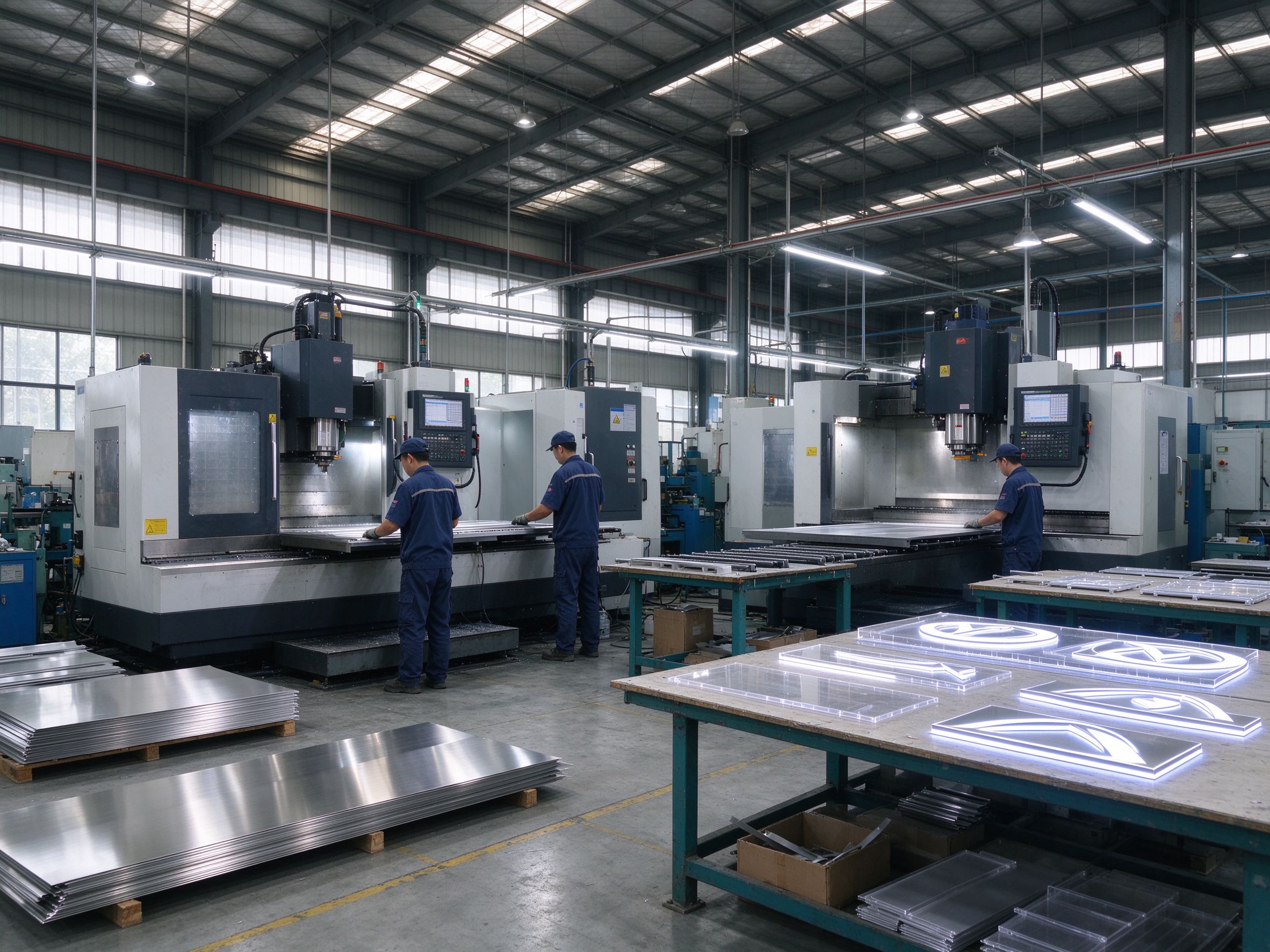
Duoyuan Advertising fabricates pylon and illuminated signage for commercial sites from its 5,000+ square metre Guangzhou factory, exporting to more than 30 countries.
The pylon does the long-range work
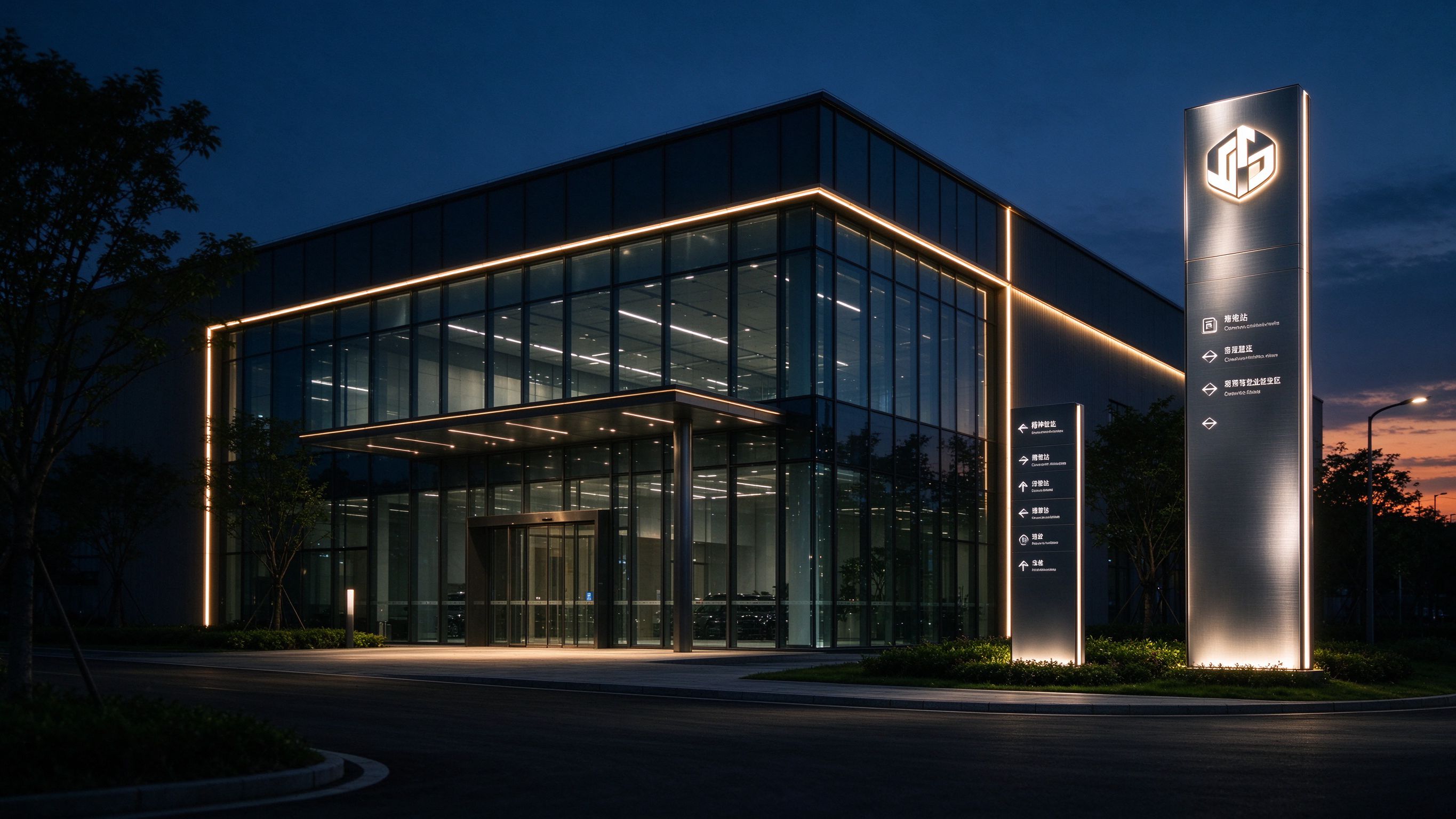
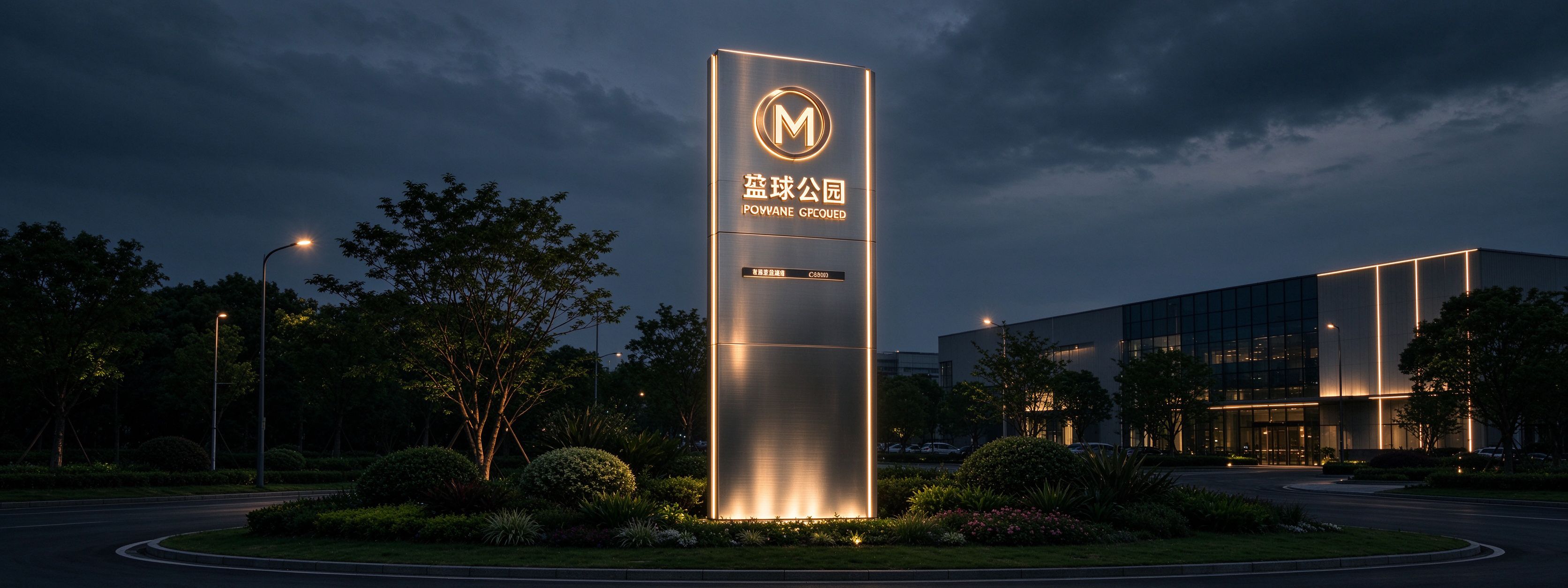
The tall pylon sign is the primary identifier. Seen from far down the road, it carries the brand mark and often a price lettering panel. Height and face area are set by setback, speed limit and local code, and the structure must be engineered for wind load because a tall sign acts like a sail. A responsible manufacturer produces structural calculations rather than guessing, and sizes the foundation for the soil and exposure at the site.
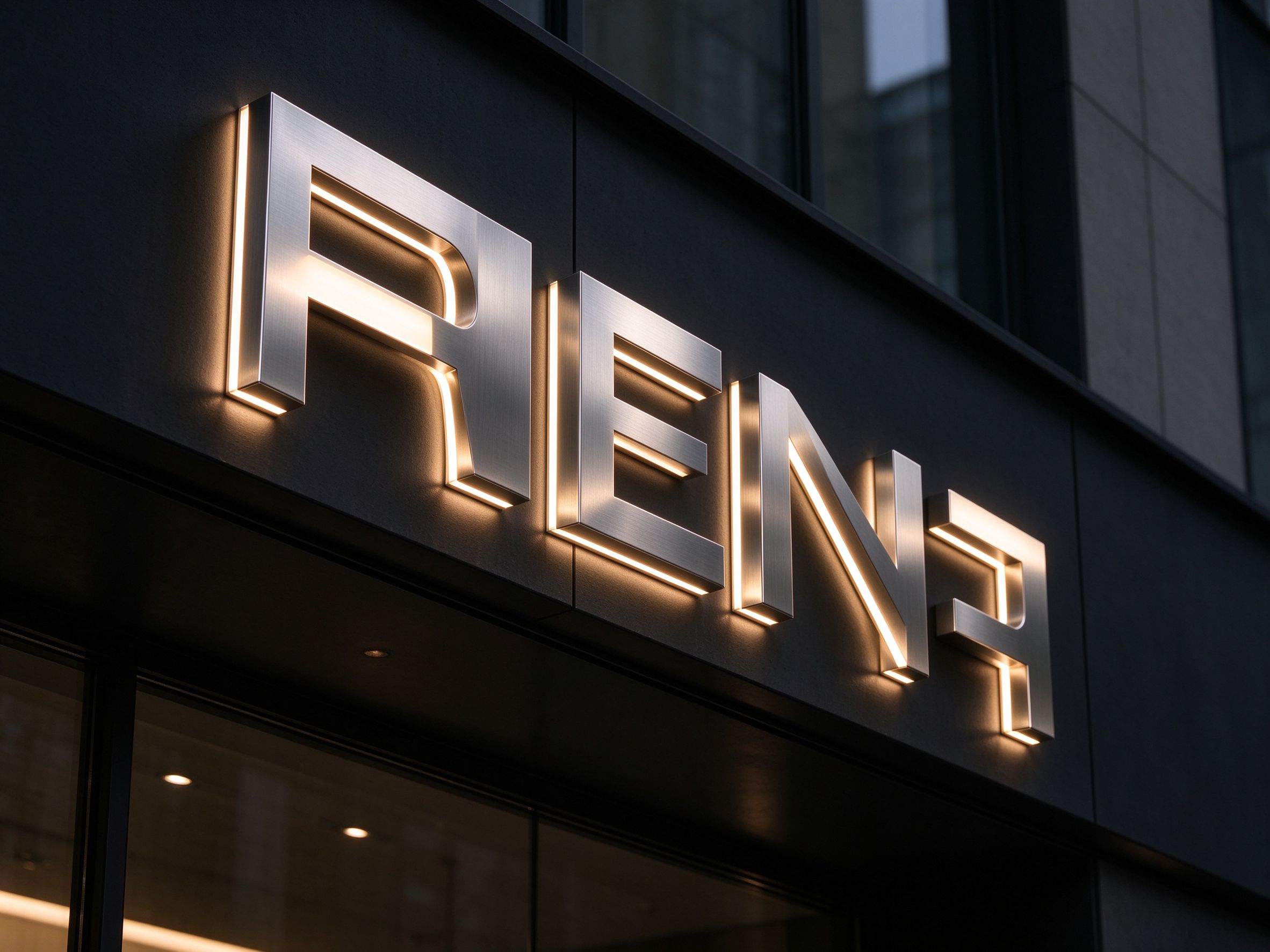
Illumination keeps the pylon working after dark. Face-lit channel letters or illuminated panels read strongly at night, and consistent brand colours matter because drivers recognise a fuel brand by its colour as much as its name. Outdoor builds are specified to IP65 and LEDs are tested before release.
Canopy fascias and brand identity
Once the driver turns in, the canopy becomes the dominant sign. Its fascia wraps the roofline with the brand identity and often a band of illumination that makes the station recognisable from across the forecourt. Because the canopy is large and exposed, materials must resist wind, rain and sun. Aluminium and steel with durable finishes are typical choices, and the lighting is usually continuous LED strips that produce an even band of colour.
Canopy illumination also serves a practical purpose: it lights the forecourt, which improves safety and reassures customers at night. A well-lit station feels more secure than a dim one, so the signage doubles as site lighting.
Price displays and changing information
Fuel prices change often, so the price panel needs to be updated quickly and read clearly. Some stations use digital displays, while others use manually changed numeral panels. Either way, contrast and digit size matter more than decoration. A driver should be able to read the price in a glance without leaving the lane of traffic.
Durability is important on a price sign because it is exposed and frequently handled. Sealed enclosures keep moisture out of the electronics, and UV-stable faces prevent the number panels from fading into an unreadable grey.
Compliance and planning
Fuel station signs are among the most regulated sign types. Height limits, illumination levels, setback rules and digital display restrictions vary by area, and permits are usually required. Researching the local rules before a design is finalised prevents the cost of building a sign that cannot be installed. A manufacturer that asks about the jurisdiction early is helping protect the schedule.
Planning the approach sequence
A driver experiences a fuel station as a sequence, not a single sign. First the pylon announces the brand from a distance, then the canopy confirms the turn, then the price panel supports the decision to stop, and finally smaller signs guide the driver to the pumps and the shop. Each element should do one job clearly. When a pylon tries to carry too much information or a canopy competes with the price sign, the sequence breaks and the driver hesitates.
Mapping that sequence from the driver’s seat is a useful design exercise. Where does the sign first become visible, at what speed, and how much time is there to read it? Answering those questions sets letter heights, contrast and placement more reliably than applying a generic template. A sign that works at a quiet urban junction may fail on a fast arterial road.
Structural engineering for tall signs
A roadside pylon is a substantial structure that must stand safely for years in changing weather. Wind load is the governing force, and it increases sharply with height and face area. The steel section, the welds and the foundation all have to be sized for the worst conditions the site is likely to see, not for an average day. A qualified manufacturer provides calculations and specifies the foundation rather than leaving that to chance.
Soil conditions matter as much as the steel. A tall sign on soft ground needs a different foundation from one set into dense soil, and a poor foundation can undermine an otherwise sound structure. Checking the site before finalising the design is a small cost compared with correcting a leaning pylon after installation.
Lighting for long hours and low glare
Fuel stations operate through the night, so signage lighting is effectively a continuous duty. LEDs are the practical choice because they last for thousands of hours and use far less power than older light sources. Even illumination across a pylon face matters for brand colour, and consistent modules prevent the patchy appearance that develops when mixed bins are used.
Glare deserves attention too. A sign that is too bright can dazzle drivers and, in some jurisdictions, breach lighting rules. Diffused faces and controlled brightness keep the sign legible without washing out the surroundings. The goal is a sign that reads clearly from the road while remaining comfortable to look at up close.
Maintenance and future changes
Fuel branding evolves, and a station may change hands or update its identity during the life of a sign. Designing for change reduces future cost. Modular faces and accessible lighting let a contractor replace graphics or modules without rebuilding the whole structure. A pylon built with a clear internal layout is cheaper to service than one assembled as a sealed mystery.
Routine inspection is equally important. Checking fixings, seals and illumination on a schedule catches small problems before they become failures. A sign that stays bright and intact reflects well on the site, while a flickering or damaged one suggests neglect at exactly the moment a driver is deciding whether to stop.
Working with a sign manufacturer
A fuel station signage package combines several products that must behave as a system. It helps to work with a manufacturer that can design the pylon, the canopy letters and the price displays together, so the proportions and brand colours stay consistent. Duoyuan runs consultation, detailed engineering, fabrication and installation as one service from its Guangzhou factory, with export to more than 30 countries and lead times of 10 to 25 working days.
Provide the site plan, the permitted sign height, the brand artwork and the expected night operating hours when requesting a quote. Those details let the team size the structure, specify the lighting and confirm the certifications needed for the destination market. Review capabilities or contact the team to begin.
Common questions about gas station signage
How tall should a fuel pylon be?
Height depends on road speed, setback and local code. A station far from the roadside needs a taller sign for legibility, while an urban site may be limited by planning rules. Confirm the permitted height first.
What lighting works best for a canopy?
Continuous LED strips or modules that produce an even band of brand colour are standard. They are efficient, long-lived and double as forecourt lighting that improves safety at night.
Are digital price signs allowed?
It depends on local rules, which may restrict brightness, change frequency or digital displays altogether. Check the sign ordinance before specifying a digital panel.
Can the sign withstand strong wind?
When engineered with structural calculations and a properly sized foundation, yes. Duoyuan specifies outdoor builds to IP65 and designs pylons for their wind exposure.
Where do I start a project?
Review solutions or projects, then send site details through the quote request page or the contact page.
Building a station that reads from the road
Effective fuel signage combines a well-engineered pylon, a clearly branded canopy and a price display that can be read at a glance. Duoyuan Advertising builds these systems in Guangzhou with export to more than 30 countries and lead times of 10 to 25 working days. Start a conversation about your site today.