A school is one of the hardest places to keep signage looking good. Hundreds of people pass through every day, notices change constantly, and the signs are used by children as well as adults. Add weather, sports equipment and the occasional enthusiastic poster, and it becomes clear that school signage has to be designed for real life rather than for a photograph.
A successful campus system balances two needs that pull in different directions: it must be durable enough to survive heavy daily use, yet flexible enough to change as classes, terms and messages change.
The entrance and the first impression
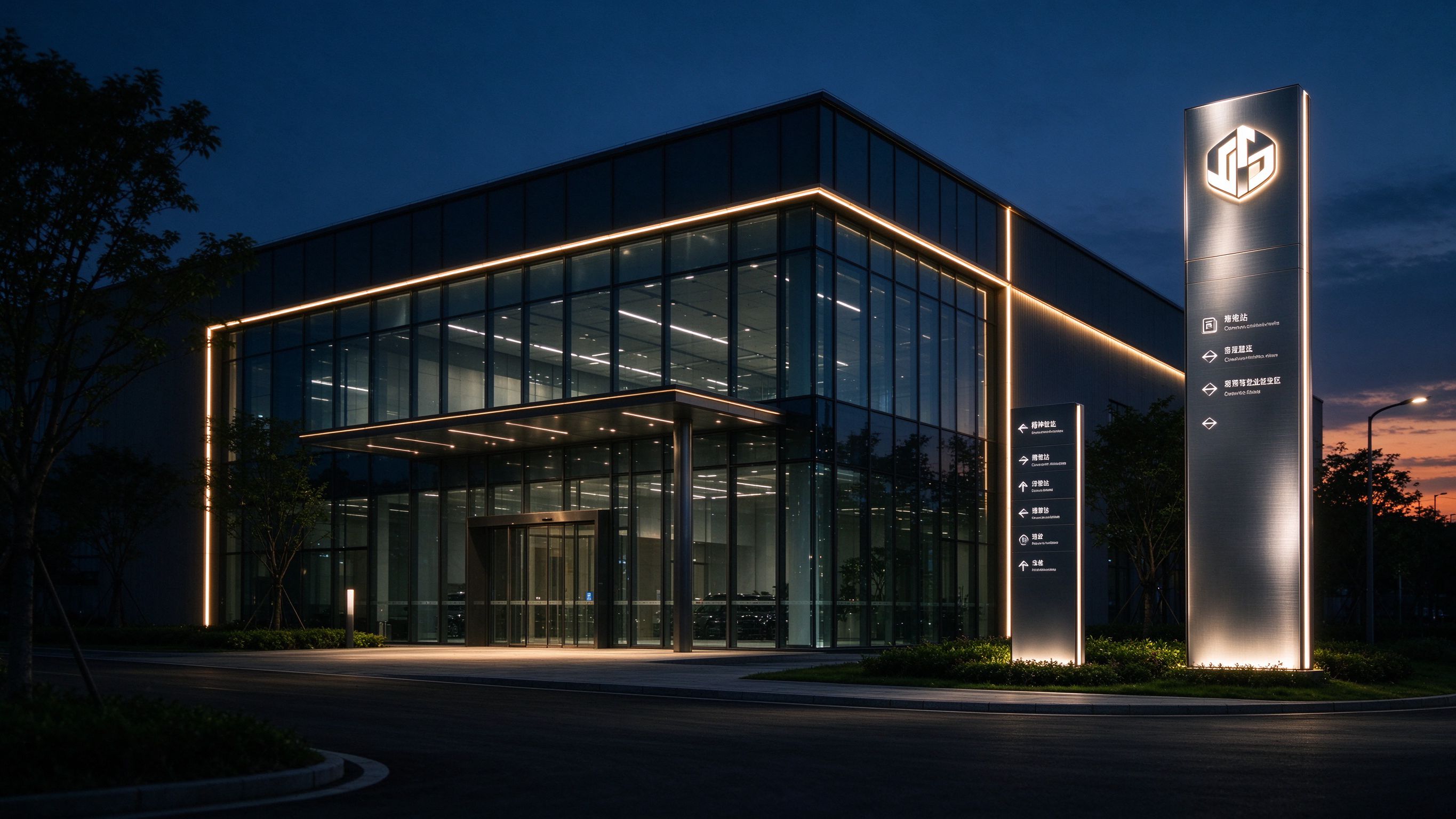
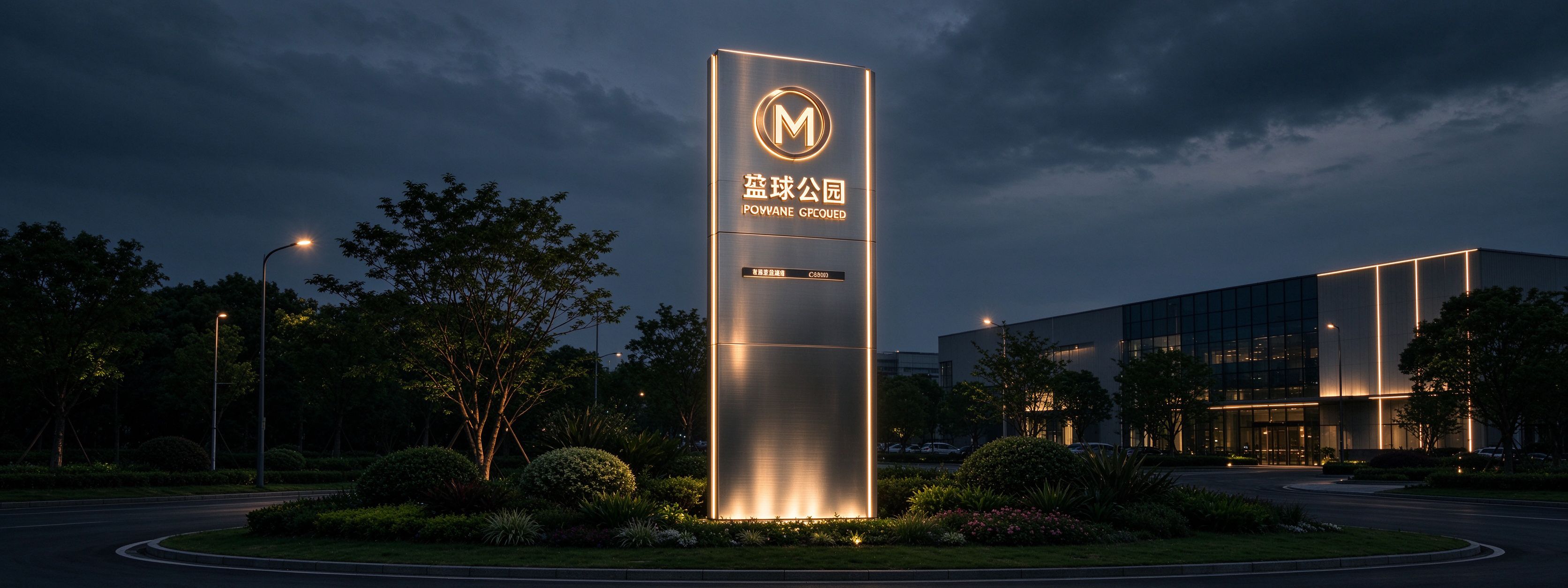
The entrance sign is the public face of a school or university. A freestanding monument or pylon establishes the identity at the roadside and helps visitors find the campus. For a busy entrance, legibility from a moving vehicle matters, as does durability in weather. Illuminated elements should use sealed enclosures, and Duoyuan specifies IP65-rated exteriors with LEDs that have passed a 48-hour aging test in its 5,000+ sqm Guangzhou facility.
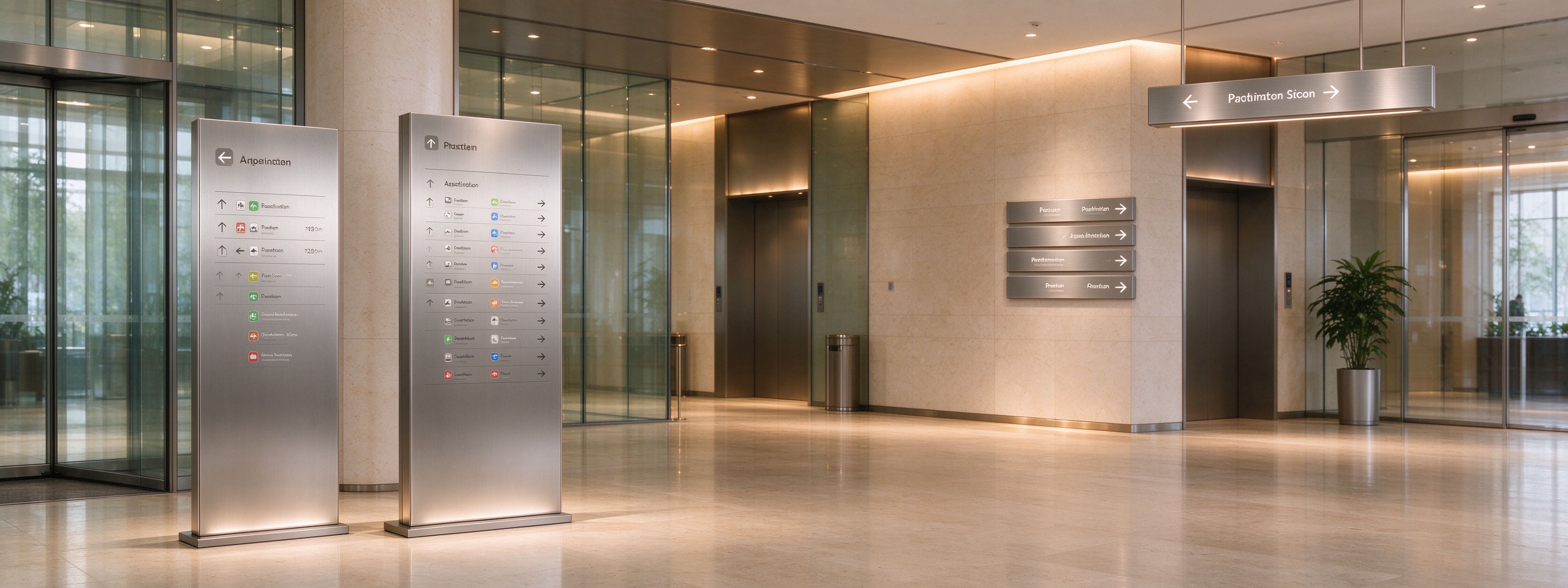
Beyond the gate, arrival signs should direct visitors to parking, reception and the main buildings. This is where a campus wayfinding plan proves its value. Without a clear hierarchy, visitors end up at the wrong building and staff spend time giving directions instead of doing their work.
Wayfinding for a changing campus
Campuses grow. New blocks appear, departments move and entrances change. A rigid signage scheme becomes outdated quickly, so plan for change from the beginning. Use a clear zone or building naming system that can absorb new additions, and build directional signs so individual panels can be updated rather than the whole structure replaced.
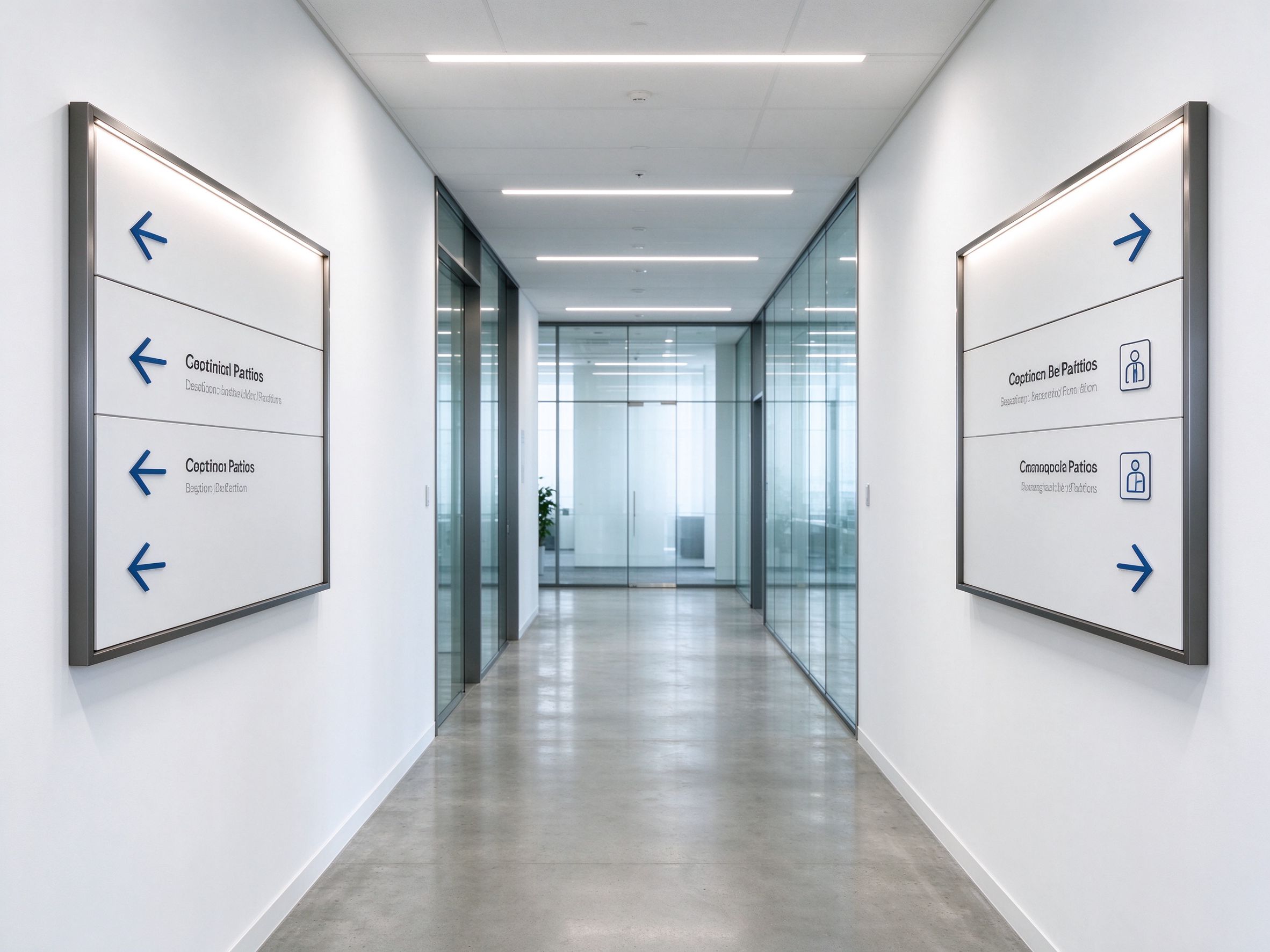
Interior wayfinding should be simple enough for a child to follow. Clear numbering, consistent colour zones and uncluttered directories work better than dense information panels. Stairwells, lifts and exits should always be signed clearly, and the sign position should be consistent from corridor to corridor. These are unglamorous details, but they are what make a campus navigable for a new student or a visiting parent.
Classroom markers and noticeboards
Room identification gets the most daily use of any school sign. Doors are touched, labels are read at close range and classes change. Markers should be robust, easy to clean and mounted consistently. Where room use changes often, a frame with a replaceable insert is more practical than a permanent engraved sign.
Noticeboards are the other high-use element. They carry everything from timetables to student work, and their content changes weekly. Choose a board system with a secure, easy-to-change cover, and size the frames using a standard module so replacements are simple. Duplicate room numbers and small labels are worth ordering as spares at the outset, so a damaged marker can be swapped the same day.
Comparison of campus sign types
| Sign type | Primary need | Update method |
|---|---|---|
| Entrance monument | Identity and arrival | Rarely changed |
| Directional signs | Campus navigation | Replaceable panels |
| Classroom markers | Room identification | Insert or modular plate |
| Noticeboards | Daily communication | Snap frame or lockable cover |
| Safety signs | Compliance and emergencies | Standard replacements |
Signage as part of safety and independence
A well-signed campus does more than look organised. It helps younger students move independently, lets visitors find events without stopping at reception, and supports staff during busy arrival and dismissal times. Clear signage to exits, assembly points and safe routes is part of a responsible safety plan, and it should be visible even when the building is unfamiliar to the reader.
This is why the simplest solutions are often the best. Large, high-contrast building numbers, consistent colour zones for different areas and uncluttered directories work for children and adults alike. A sign that needs a paragraph to explain itself has failed, particularly in a corridor full of moving students. The aim is instant recognition, not visual cleverness.
Choosing materials that survive a school year
School signage is tested by use in a way that most commercial signage is not. Corners get bumped, surfaces get written on and noticeboards are opened many times a day. Choose rounded edges where possible, finishes that clean easily and fixings that cannot be loosened by hand. Exterior signs should be rated for weather, with sealed electrical components if they are illuminated.
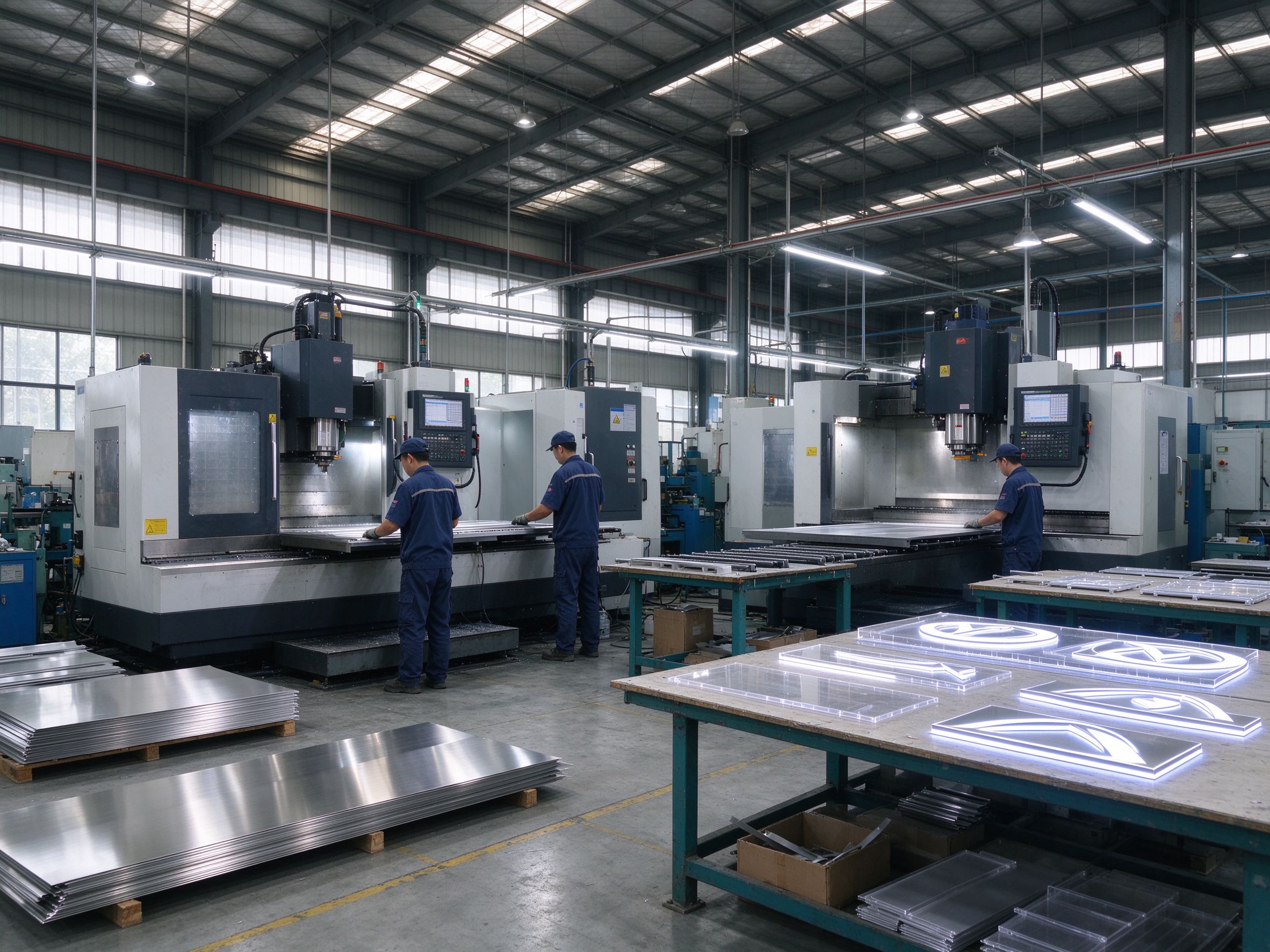
It is also wise to order spares at the outset. A broken room marker or a damaged noticeboard cover can be replaced the same day if a spare is in the cupboard, and the cost of holding a few extras is small compared with a rush order. Duoyuan fabricates campus signage from a 5,000+ sqm Guangzhou facility, uses IP65-rated enclosures for exterior illuminated work and exports to more than 30 countries. That combination means a school can specify a complete sign family, from entrance monument to classroom marker, and rely on consistent replacements as the campus changes over the years.
A note on long-term value
The cheapest campus signage is rarely the best value. A marker that has to be replaced every year because its finish peels, or a notice frame that jams after one term, costs more in staff time than a better product would have cost at purchase. When comparing quotes, look at the grade of the materials, the quality of the fixings and whether the small, high-use items are available as spares. Ask for the same type and finish across the entrance sign, the corridor directories and the classroom markers so the campus reads as one place. A supplier able to deliver that range from one facility, and to reproduce a matching part later, gives a school a system it can maintain rather than a set of signs it will replace.
Getting the entrance right
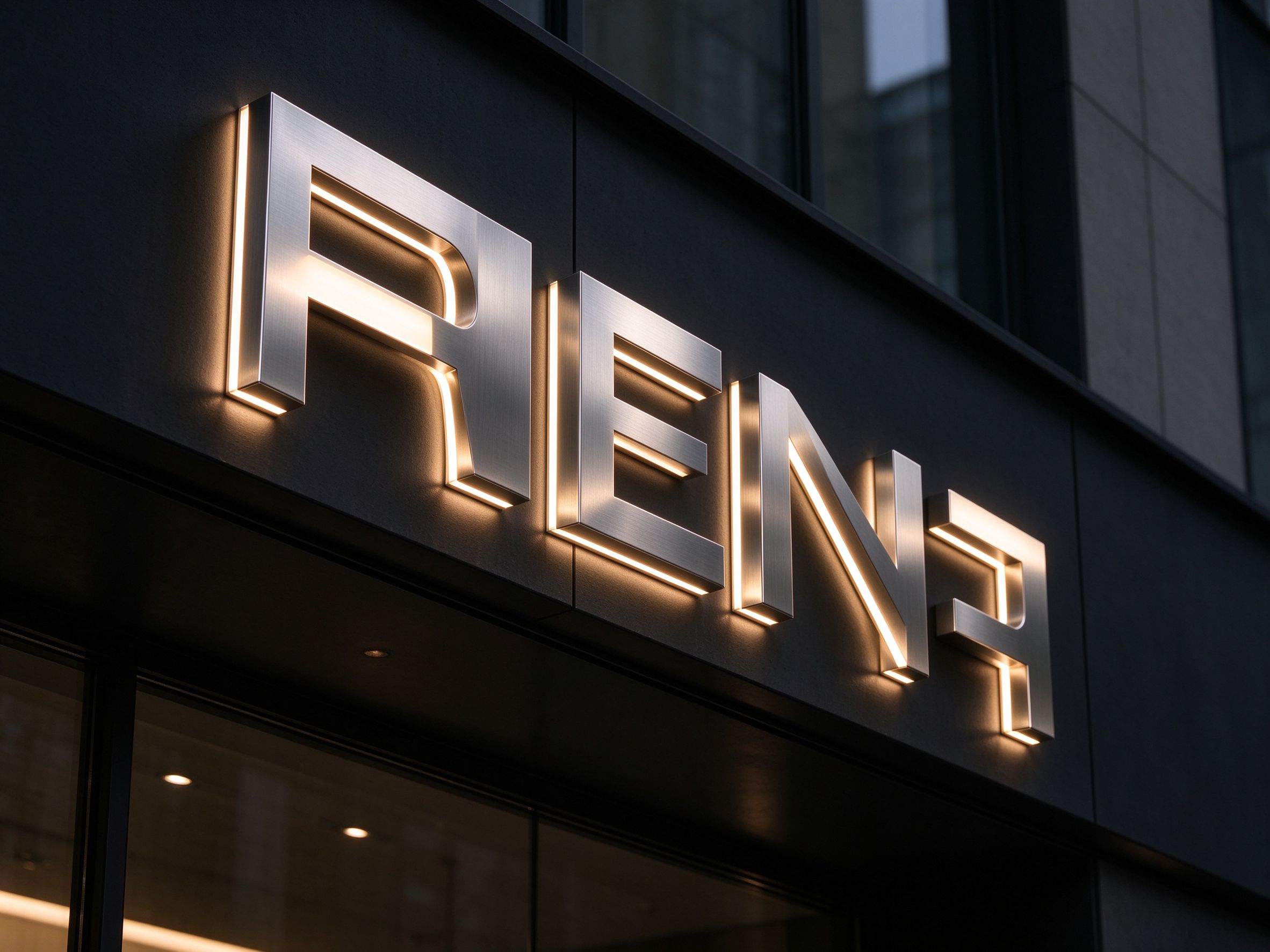
The entrance sign does more work than any other sign on a campus. It identifies the school to the street, helps parents and visitors find the right gate, and sets an expectation for the quality of the environment inside. For that reason it deserves proper attention to legibility, lighting and durability. An illuminated name with a sealed enclosure stays visible during early winter arrivals and evening events, while a well-built monument withstands years of weather.
Ask the fabricator how the entrance sign relates to the rest of the campus family. Repeating its material and type treatment in the interior directories and room markers creates a sense that the whole campus belongs to one institution. That consistency is noticed even when it is not consciously read, and it is one of the simplest ways to make a growing campus feel established.
A final point concerns budget over time. It is tempting to spend the whole allocation on the entrance and leave the interior markers as an afterthought, but the signs used every day by students are the ones that shape the experience of the school. Reserving part of the budget for durable room markers, replaceable notice frames and spare parts usually delivers more lasting value than a single impressive monument at the gate.
Questions buyers often ask
What signs should a school campus include?
An entrance identity, arrival and directional signs, building and classroom markers, noticeboards, safety signs and accessible wayfinding throughout.
How do you plan for a campus that will grow?
Use a zone or building naming system that can absorb new blocks, and directional signs with replaceable panels rather than fixed messages.
Why are replaceable inserts useful for classroom markers?
Room use changes often, and an insert can be swapped quickly without remaking the whole sign.
What makes a sign suitable for daily school use?
Robust materials, cleanable finishes, consistent mounting and simple fixings that do not loosen with repeated contact.
Should exterior campus signs be illuminated?
Often yes for evening events and visibility. Specify IP65-rated enclosures and screened LEDs for exterior use.
Can one supplier cover the whole campus?
Yes. Duoyuan makes exterior and interior signage in one facility, exporting to more than 30 countries with a 10-25 working day lead time.
Plan a campus signage system with Duoyuan
Duoyuan Advertising fabricate durable educational signage from its 5,000+ sqm Guangzhou factory. See signage solutions, review case studies, or request a quote. Contact us at +86 135 2767 8848 on WhatsApp or [email protected].