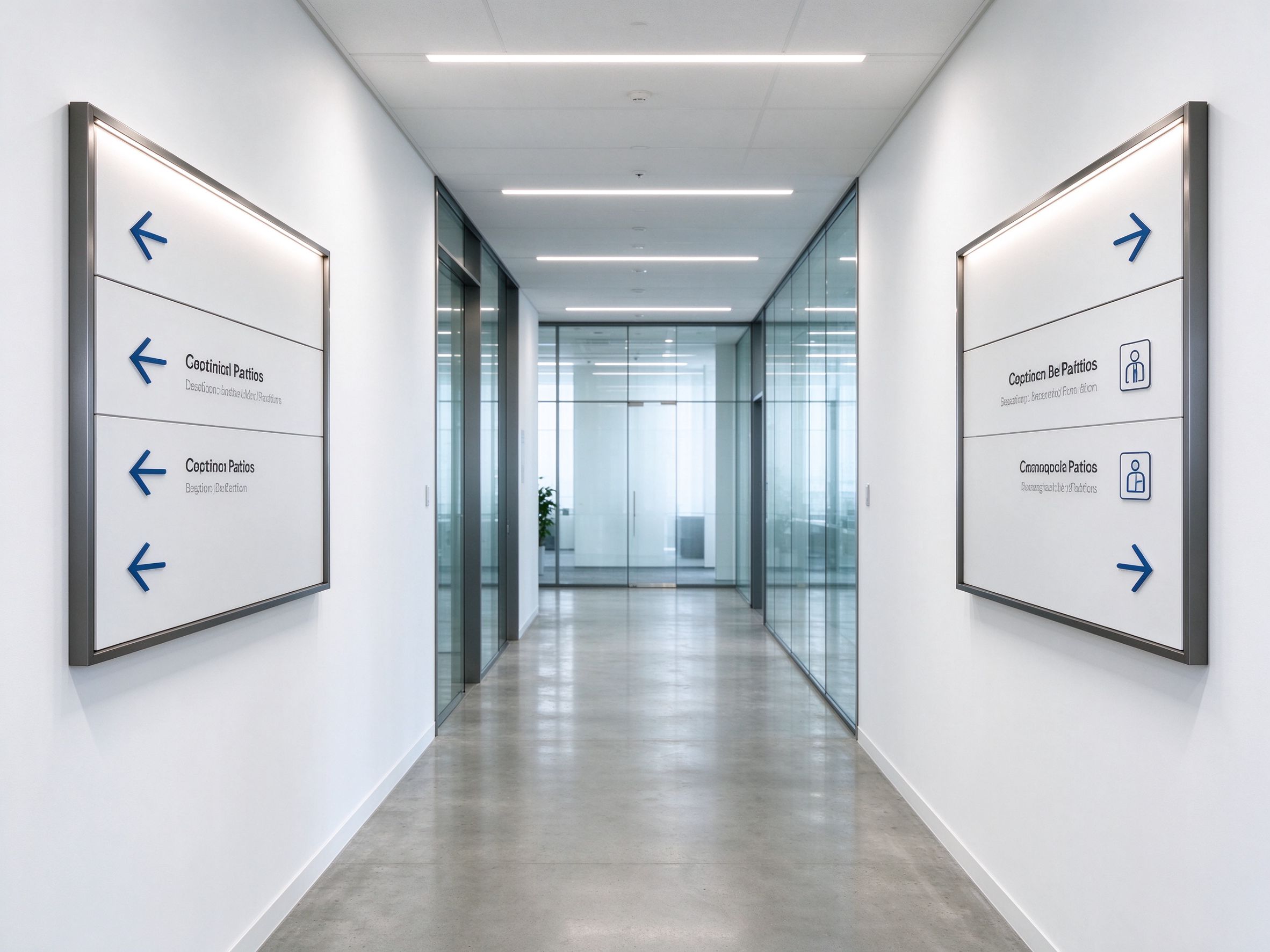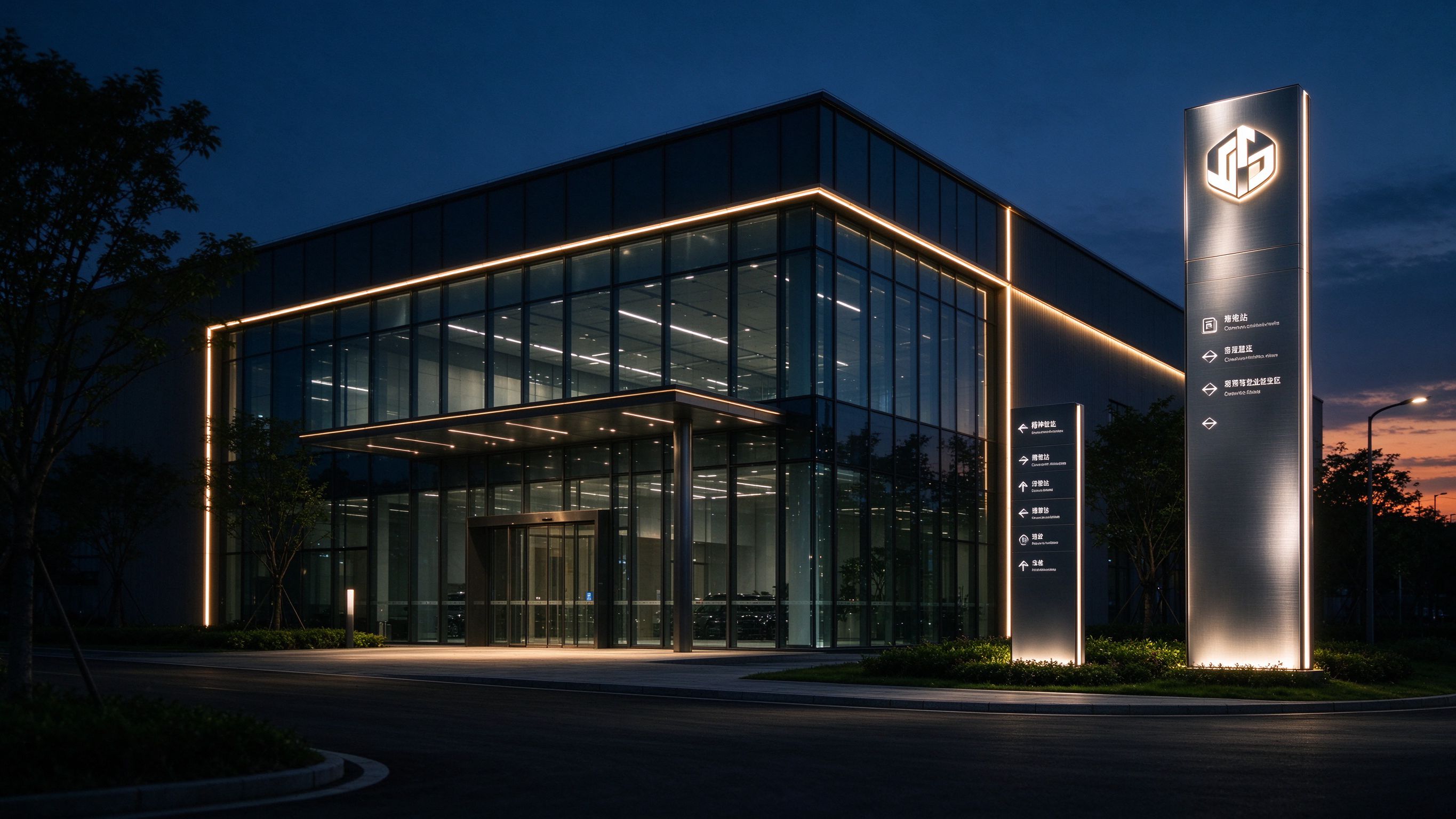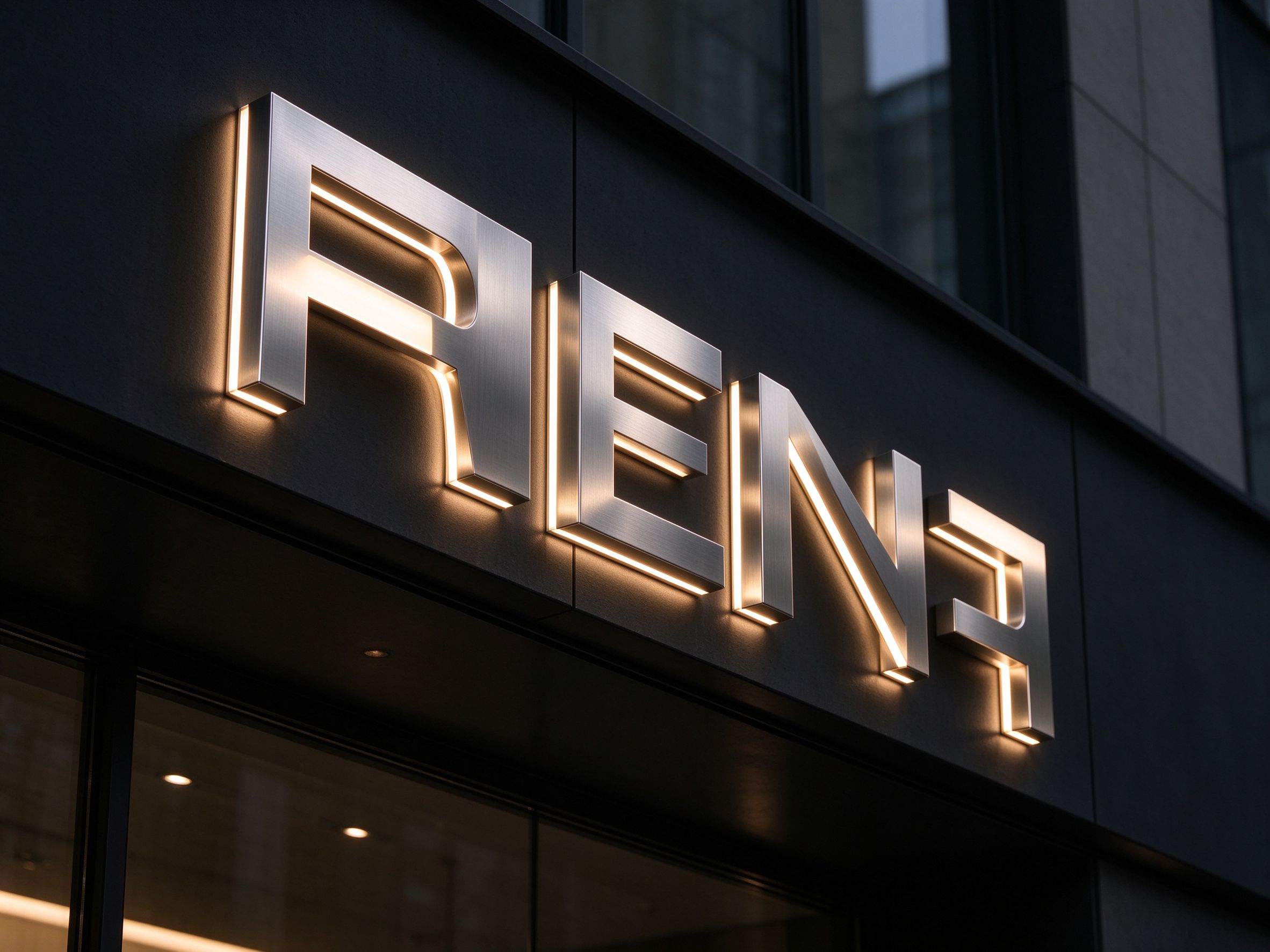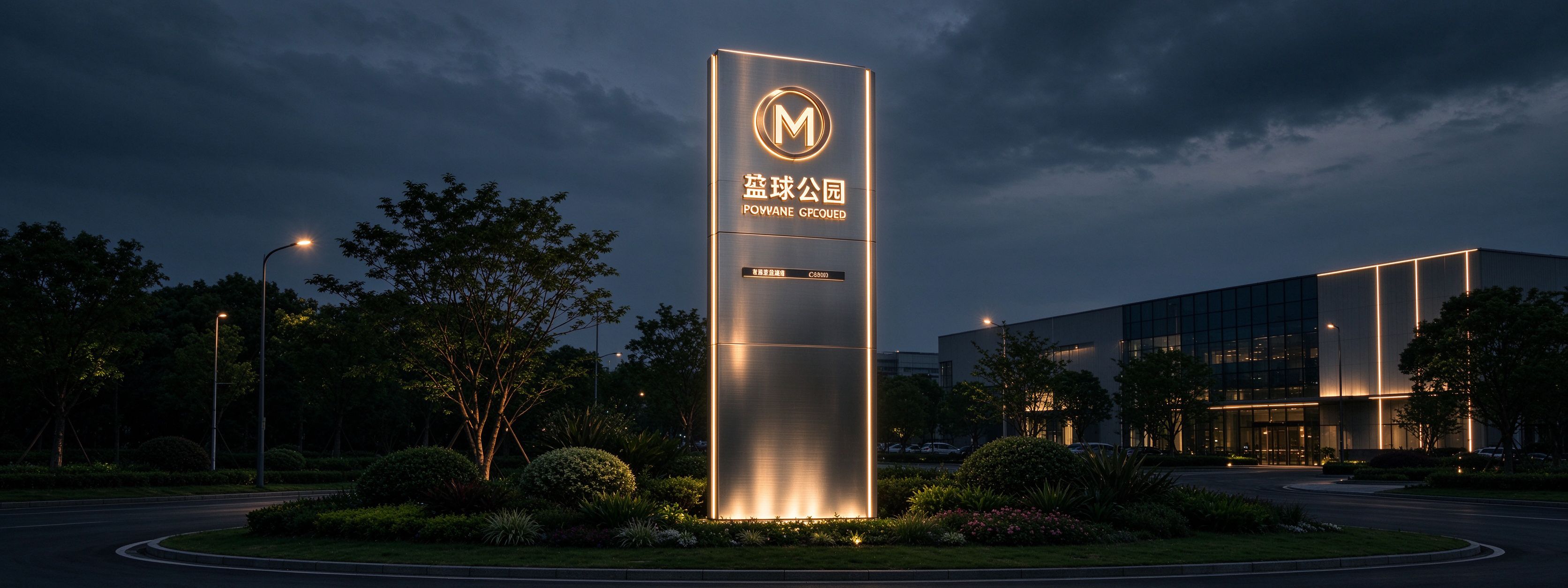
The face of an illuminated sign does more than protect the light source behind it. It decides how the light leaves the letter and how the surface reads when someone stands in front of it. On such signs, matte acrylic sign faces scatter light and soften reflections, while high-gloss faces behave almost like a mirror under the right angle. The choice is optical, but its consequences are practical: glare, fingerprints and cleaning all follow from it.
Specifiers often decide on instinct, picking the glossier sample because it looks richer on the showroom table. A little testing in the real location usually reverses that decision. This guide explains what each finish does, where it belongs, and how to check it properly before you place an order for a sign that may be viewed every day for years.
What matte acrylic sign faces change
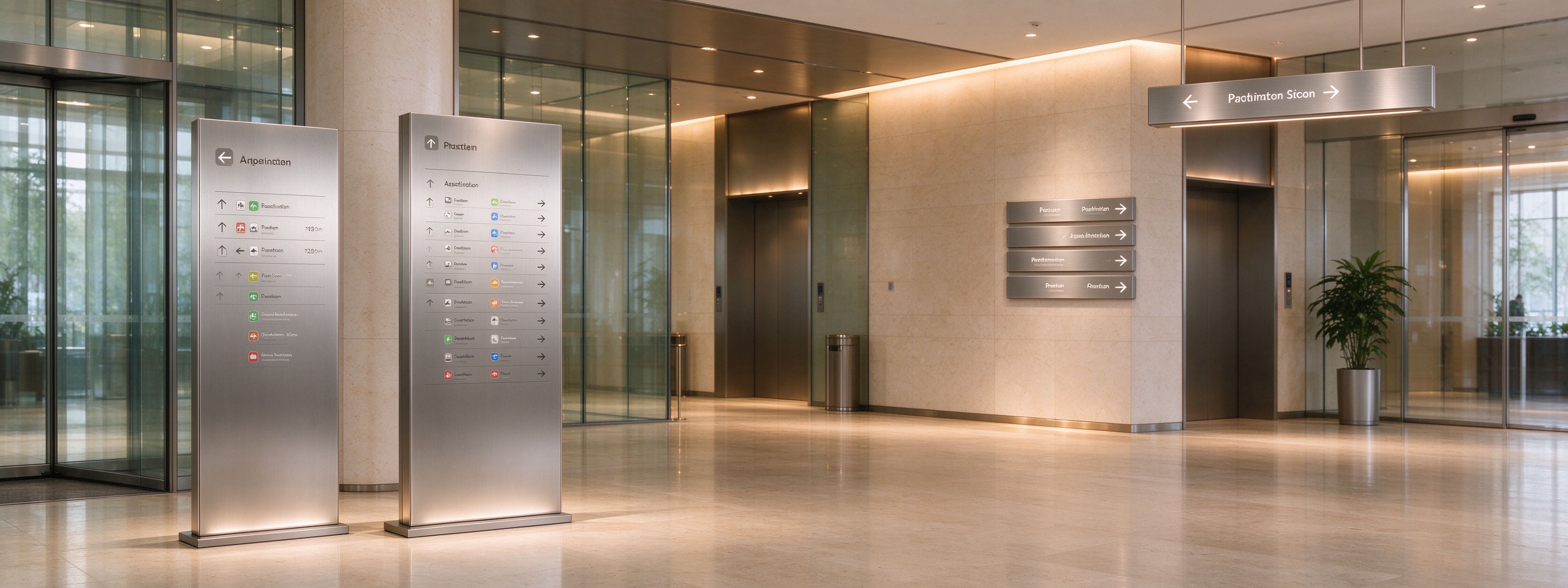
A matte surface is textured on a microscopic scale. Instead of reflecting light in one direction, it scatters it across a wide angle. The result is softer brightness, fewer hot spots and a face that stays legible when a viewer stands off-axis. Matte acrylic sign faces are common in reception areas, corridors and retail interiors where people approach from many directions rather than from one fixed viewpoint.
That scattering is the basis of good light diffusion. A well-specified diffuser hides the individual diodes behind the face, so the letter glows evenly instead of showing a row of bright points. Duoyuan runs a 48-hour aging test on LEDs and pairs them with diffusing acrylic for illuminated work; the same principle applies to a flat sign face. Ask to see a lit sample, not just a plain sheet of plastic.
The texture also offers real glare control. Overhead lights and windows reflect as a soft sheen rather than a hard streak, which matters when the sign sits behind a reception desk or beside a glass wall. Ask to see the finish under the exact lighting of the final space, because a sample under showroom spotlights tells you very little about the finished result.
The character of a gloss acrylic face
A gloss acrylic face has a smooth, polished surface that reflects light in one direction. Colours look deeper and contrasts sharper, which is why gloss is popular for brand marks and premium retail. The finish gives a clean, wet look that reads as expensive under controlled lighting, and it rewards a careful design with a deliberately restrained light scheme.
The same property creates problems. A gloss acrylic face will mirror ceiling lights, windows and camera flash, and a sign that vanishes from one angle is a poor investment. It also shows every touch. On a high-polish surface, fingerprint resistance is minimal, and a busy public area will need frequent wiping to keep the panel presentable.
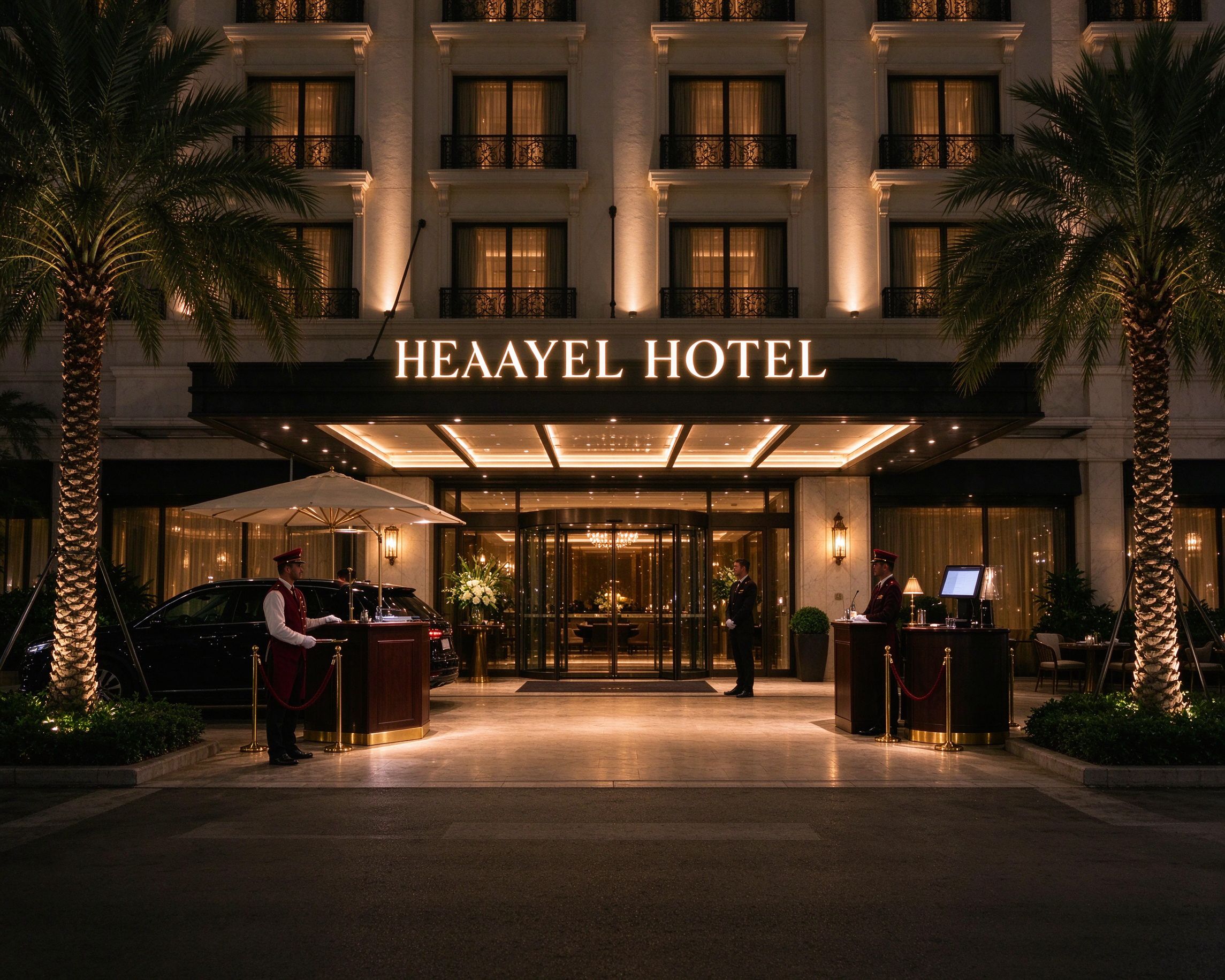
Gloss can still be the right answer. In a dark bar, a gallery or a boutique where the lighting is designed around the sign, the reflections become part of the effect rather than a defect. The finish rewards careful placement and suffers in a bright, busy environment with changing daylight and many viewers.
Optical and practical differences at a glance
The table below summarises the differences that affect day-to-day use rather than the appearance of a sample in a showroom.
| Factor | Matte face | High-gloss face |
|---|---|---|
| Reflection | Soft sheen, easy to read | Mirror-like, angle sensitive |
| Light diffusion | Even, hides diodes | Can show bright points |
| Fingerprint resistance | Better, marks less visible | Poor, shows every touch |
| Cleaning | Frequent but gentle | Frequent and careful |
| Best setting | Offices, corridors, retail | Controlled, low-glare spaces |
Cleaning method follows the finish. A matte surface can be wiped with a soft cloth and mild soap, but an abrasive pad will scratch the texture permanently. A gloss surface needs a microfibre cloth and a dedicated plastic cleaner, because ordinary glass spray can haze certain acrylic grades. Agree a cleaning routine with the facilities team before the sign is installed, and make sure the right products are available on site.
Neither finish changes the life of the LEDs behind it, but both change how quickly the sign looks tired. Matte hides minor marks; gloss announces them. In a high-traffic interior, that single difference can decide which finish stays presentable between maintenance visits, and it matters more than a small variation in initial brightness.
Cleaning and sampling matte acrylic sign faces
Sampling is the only reliable way to choose. Ask for small pieces of both finishes with the same light source behind them, then view them in the target space at the time of day the sign will be used. A finish that looks beautiful in a showroom can disappear beside a window or under a row of downlights.
Check three things. Walk past the sample at an angle to judge glare control, stand close to see whether individual diodes show through, and touch it to see how visible marks become. Those three tests tell you more than any specification sheet, and they take only a few minutes with the right samples in hand.
For indoor signage, the balance usually tips toward matte. Offices, clinics and retail floors value legibility over visual drama, and the surface stays acceptable with routine wiping. Gloss remains a strong choice where the sign is the focal point and the lighting has been designed to control reflections from the start.
Outdoor faces need a different conversation. UV exposure can yellow lower-grade acrylic, and a textured matte surface holds dirt differently from a polished one. Ask about the grade of the sheet and confirm that the sign assembly carries an IP65 rating where water can reach the light source.
Sample sets are inexpensive compared with the cost of a wrong decision, and most fabricators can supply them alongside a quotation. Ask for pieces cut from the same sheet that will be used on the job, because surface finish varies between production batches. If the face will be printed or vinyl-applied, test that process on the sample as well, since adhesion can differ sharply between a textured and a polished surface. Keep the chosen sample on file once the order is placed, because it is the reference against which the delivered sign should be judged.
Questions buyers often ask
Do matte acrylic sign faces dim the light?
Slightly, because the texture scatters light rather than passing it straight through. Good diffusers compensate with a suitable LED layout, and the even result is usually preferable to a harsh, uneven glow.
Which finish gives better glare control?
Matte, by a wide margin. It breaks up reflections from windows and overhead fittings. A gloss acrylic face works only where the light sources around the sign are carefully controlled.
Are fingerprints more visible on gloss?
Yes. With matte, fingerprint resistance is much better, because oils spread into the texture rather than sitting on a mirror-smooth surface. Both finishes need regular cleaning in public areas.
Does light diffusion hide individual LEDs?
That is its main purpose. A properly specified matte face spreads the output of the diodes so the letter reads as a continuous glow. Always confirm this with a lit sample before ordering.
Which finish suits indoor signage?
Matte suits most indoor signage because it stays legible from many angles. Gloss has a place in premium retail and hospitality where the sign is intended to be a feature.
How should I test a sample?
View it in the final location, at several angles and with the lighting switched on. Duoyuan works to a 10-25 working day lead time and exports to more than 30 countries, so allow time for sampling.
The finish is a small part of the sign that shapes almost every impression of it. See our illuminated letters, read our FAQ or request a quote. Duoyuan Advertising offers one-stop design, fabrication and installation from a 5,000+ sqm Guangzhou factory, with CE, UL and ISO alignment. Email [email protected] or call +86 135 2767 8848 on WhatsApp.