A buyer visiting a development rarely arrives with a clear picture of the site. They have seen drawings and photographs, but they need to stand at the gate, understand where they are and follow a route to the sales centre without feeling lost. Good real estate development signage does that work. It creates a first impression at the boundary, explains how to move through a live construction site and presents the project in a way that feels established even while the buildings are still rising.
The challenge is that a development changes faster than a permanent sign system normally would. Roads move, phases open and close, and the sales story shifts as stock is released. A sign plan that assumes a finished, static environment will be out of date within months. The better approach is to design for change from the start, with a clear identity at the gate and flexible elements that can be updated between phases.
The arrival identity of real estate development signage
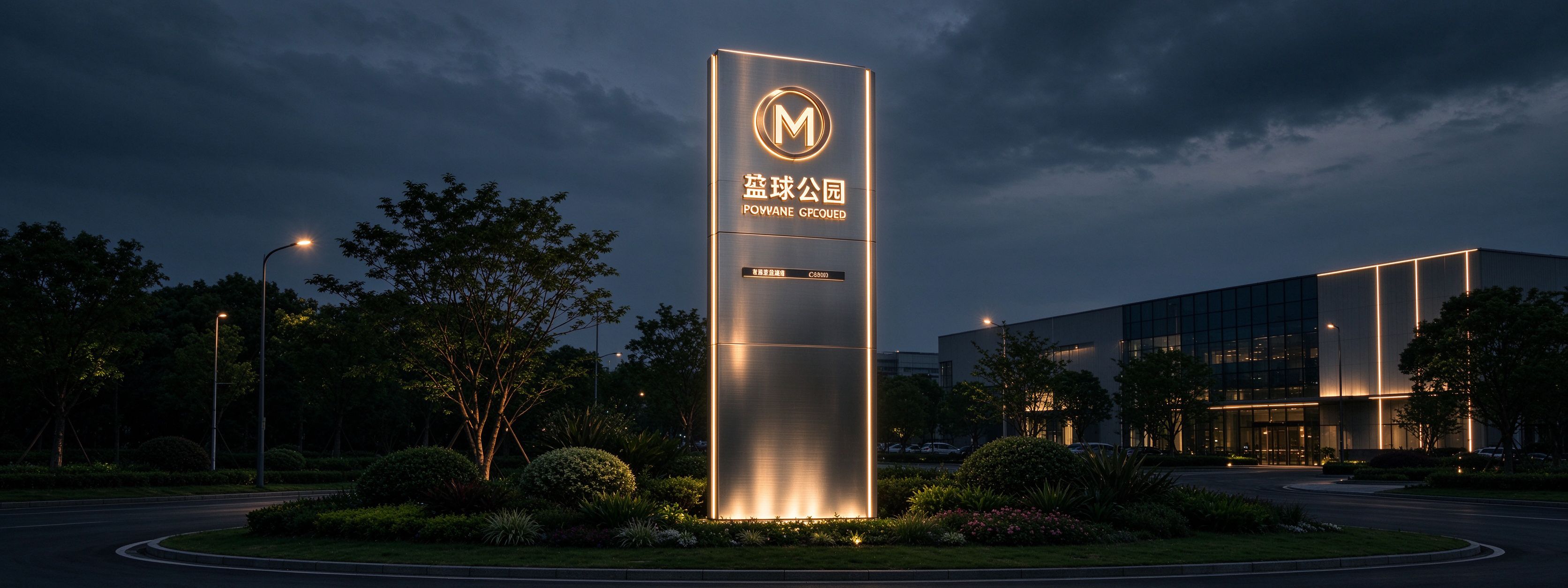
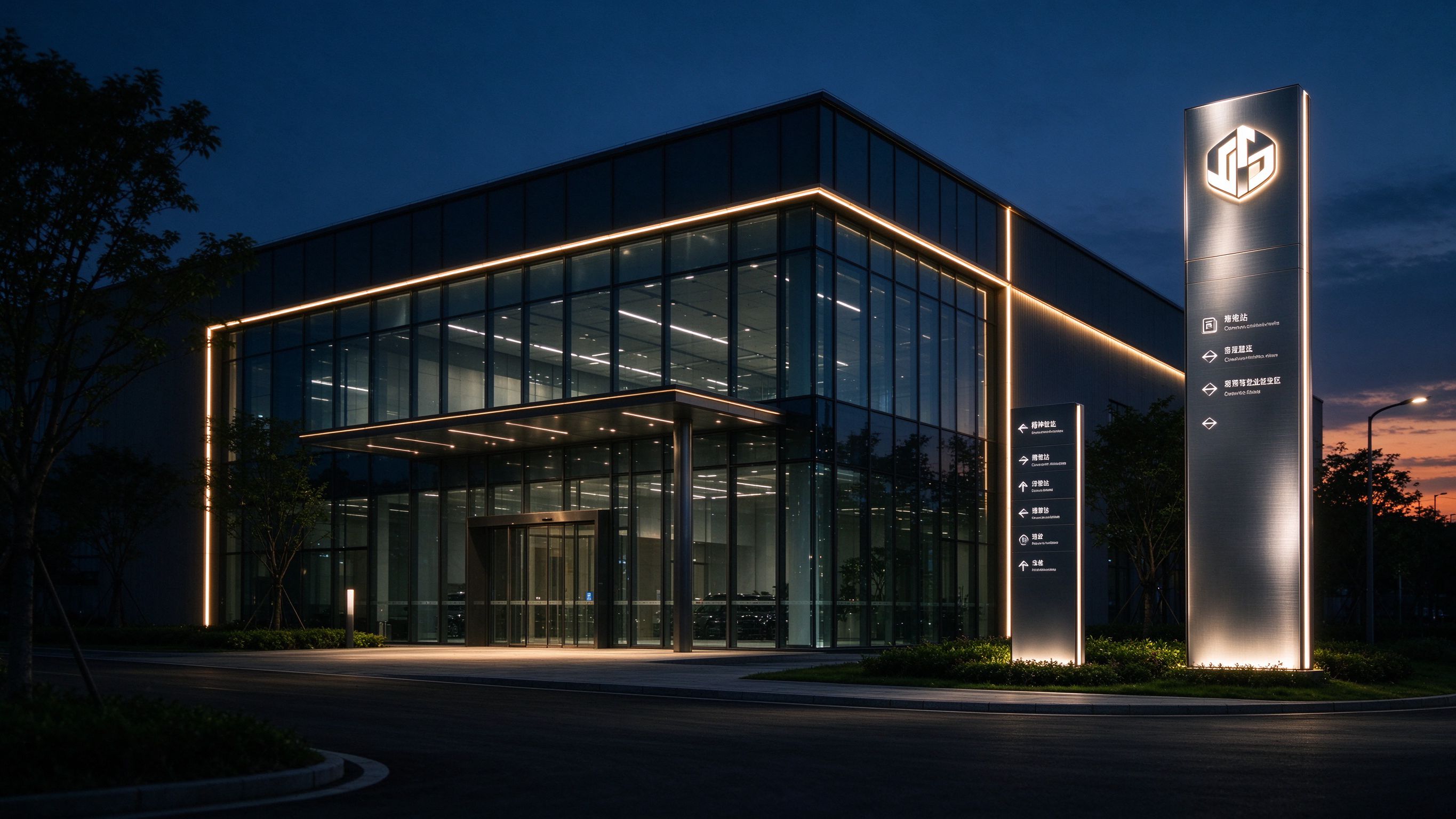
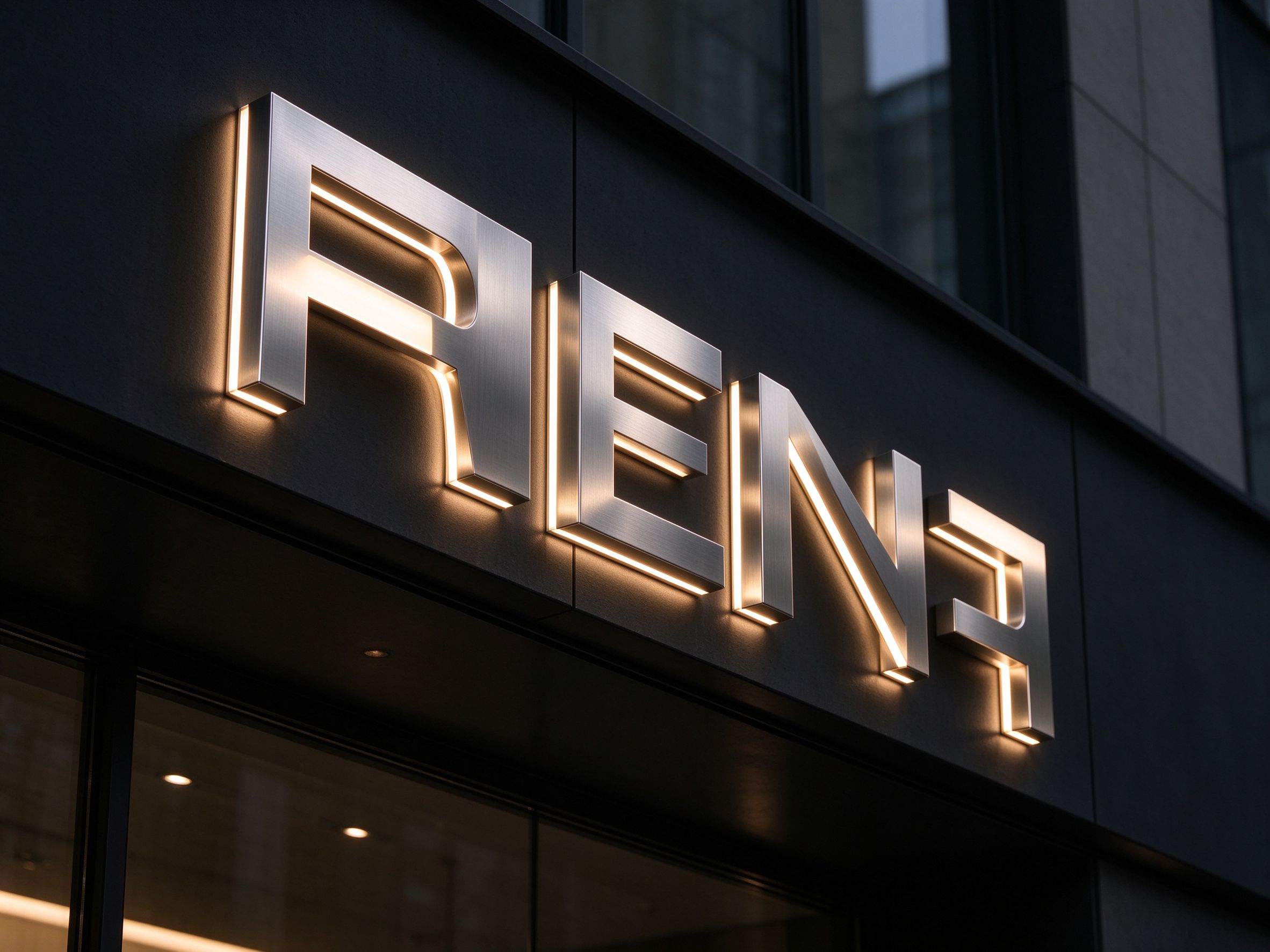
The first contact is usually a monument sign at the boundary. It announces the project, gives it a visible presence on the approach road and sets a standard for everything that follows. A monument sign does not need to carry the whole story; its job is to be recognised and to make the entrance easy to find. Strong contrast, a legible project name and a clear entry cue matter more than fine detail viewed from a moving vehicle.
Behind the gate, the identity should continue in smaller elements. Repeating the same type, colour and material on entrance panels and reception graphics tells a visitor that they are in a managed environment. That consistency is especially important early in a project, when the surrounding streets may still be unfinished. Real estate development signage that looks considered at the boundary helps buyers trust what they are about to see inside.
Designing sales centre signage and the buyer route
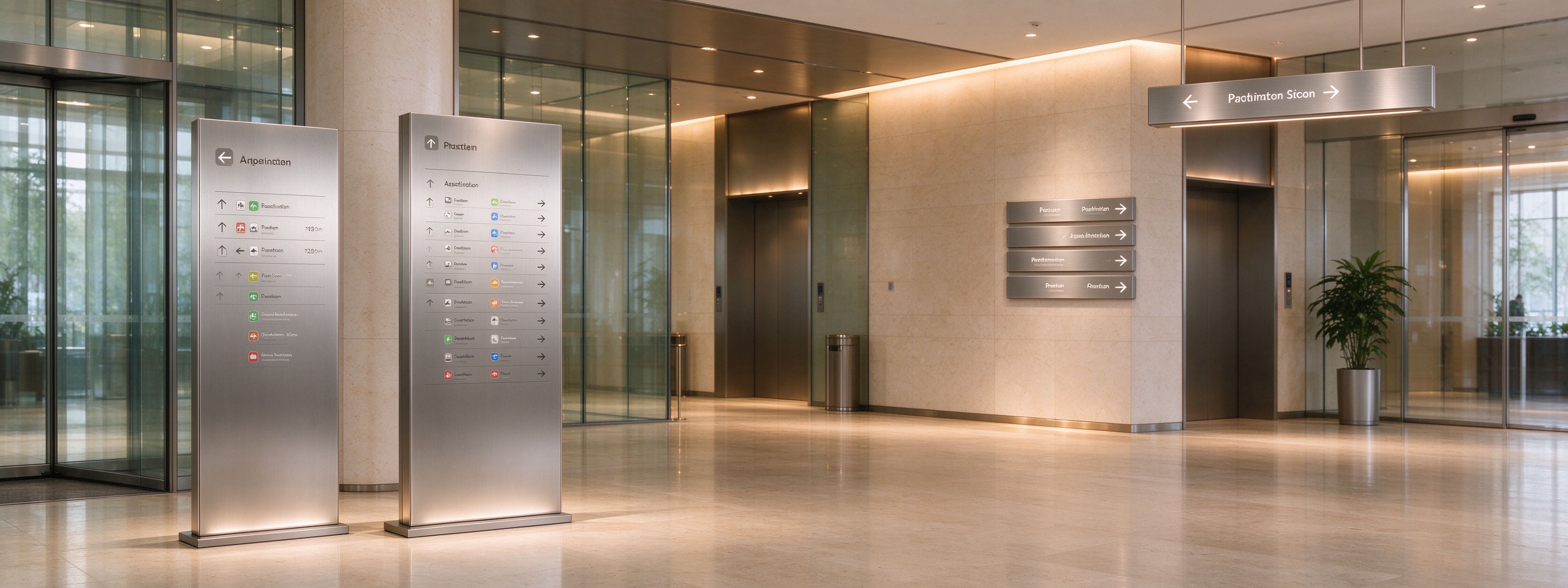
Once a visitor is on site, sales centre signage takes over. The route should be obvious at every turn: from the entrance, past any construction traffic, to parking, to the reception point. Each decision should be answered by a short, well-placed cue, with the same visual language used at the gate. A buyer who has to stop and ask for directions at three points will arrive at the sales centre already less confident.
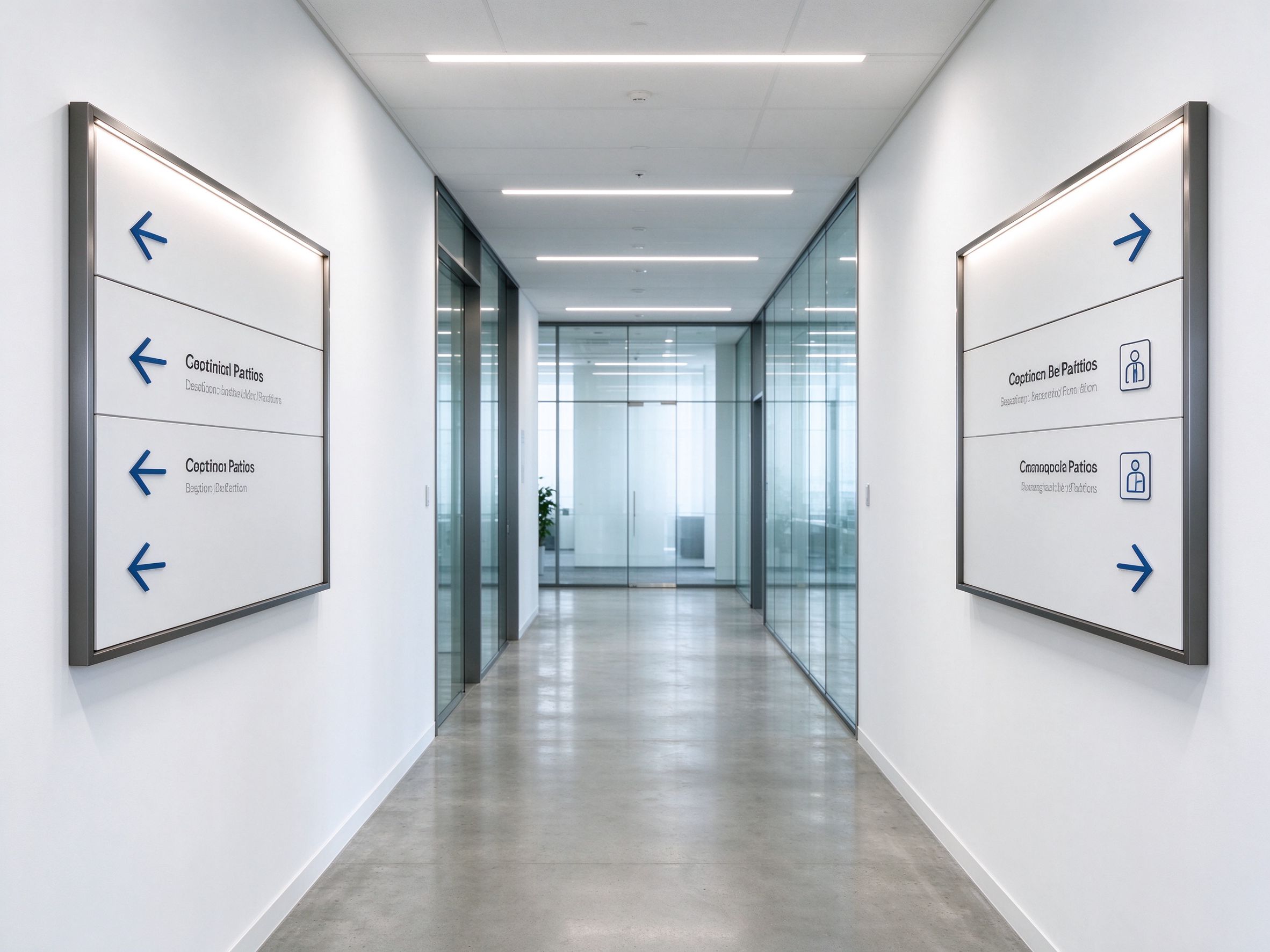
The sales centre itself needs a clear threshold. Exterior identification, a welcoming entrance treatment and interior direction panels should work together so the transition from a busy site to a calm presentation space feels deliberate. Sales centre signage also has a practical side: it separates visitor routes from delivery movements, marks accessible entry points and makes the reception area easy to spot from the car park. Good signage therefore supports both the emotional and the functional first impression.
Designing a site model display for the sales room
Most buyers make sense of a development through a physical model. A well-designed site model display shows phase relationships, building positions, open space and the connection to the surrounding area. It should be large enough to read at a glance, positioned where people can gather around it, and lit so details remain visible without glare. Placing the model near the reception point lets a sales adviser use it naturally during the first conversation.
Modularity is more useful than permanence here. A site model display built from replaceable sections can be updated as a phase sells out or a building design is revised, instead of being discarded. The same logic applies to the panels around it: a frame system with changeable inserts keeps the presentation current without a full rebuild. Buyers notice when a model no longer matches the site they can see through the window, so keeping it aligned with reality is part of maintaining trust.
Temporary wayfinding during construction
An active development is a changing route. Hoardings shift, a new access road opens and a pedestrian path is diverted around works. Good temporary wayfinding keeps visitors safe and oriented through these changes. It should be robust enough to withstand a construction environment, simple enough to read at a glance and flexible enough to be moved as the site evolves. Marking the visitor path separately from vehicle movements prevents the most common source of confusion.
Such temporary wayfinding is also an opportunity to keep the project present while construction dominates the view. Panels can carry renderings, a simple site map and short messages about what is opening next. Because the panels are changed often, a modular kit with standard posts and replaceable faces is far more practical than custom signs made for a single phase.
| Element | Buyer need | Practical approach |
|---|---|---|
| Boundary monument | Recognise the project | Durable, legible at speed |
| Route and direction panels | Reach the sales centre | Modular faces, quick changes |
| Sales centre graphics | Feel welcomed and oriented | Match the gate identity |
| Site model surround | Understand the whole plan | Replaceable sections, even lighting |
| Construction markers | Stay safe on a moving site | Robust posts that can be relocated |
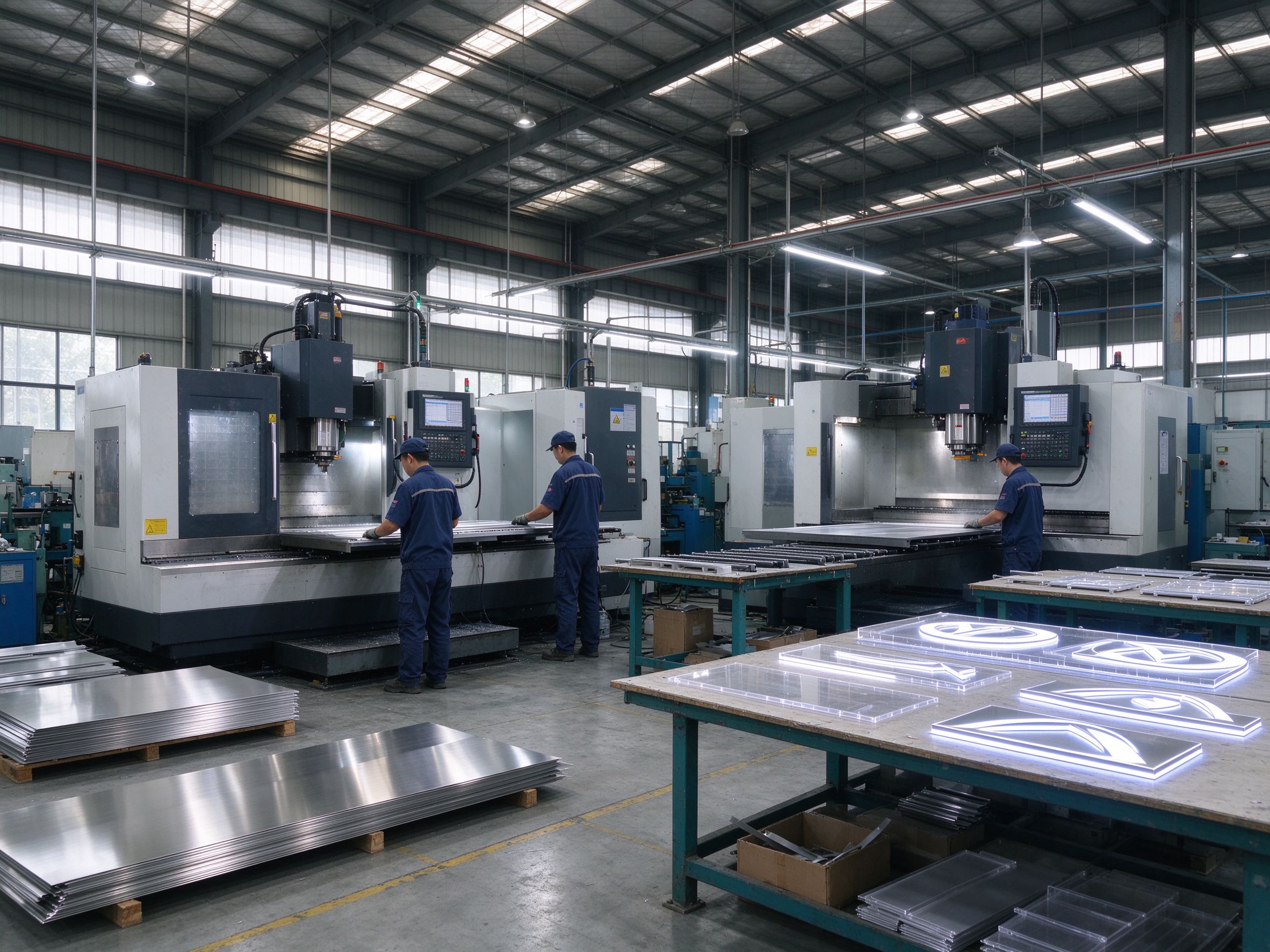
A single source for the whole family makes consistency much easier to hold. Duoyuan fabricates wayfinding and display products from a 5,000+ sqm factory in Guangzhou, exports to more than 30 countries and uses IP65-rated enclosures for exterior illuminated work, with lead times of 10 to 25 working days. That range allows a developer to specify the monument, route panels and presentation graphics to one standard.
Managing phase updates in real estate development signage
A development is sold in stages, and each stage changes the message. A phase that was once a future plot becomes a completed street, and a sales centre may move as the project grows. Good phase updates should be planned into the sign system rather than treated as an emergency. Keeping a register of every panel, its message and its last review makes it much easier to update the site in a coordinated way.
Old information is worse than none. A direction panel pointing to a closed entrance or a model showing an unavailable phase undermines confidence in the whole project. Walk the route regularly as if you were a first-time visitor, and fix anything that contradicts what can actually be seen. Real estate development signage that stays current makes the buying experience feel carefully managed, which is exactly the impression a developer wants to create.
Walk the sales route at the pace of a visitor who has never seen the site plan. Can they identify where to park, which building houses the sales centre and which path leads to the model without asking twice? The questions sound obvious, but they are often answered by temporary signs added late, which then become permanent by accident. A better approach is to design the temporary layer alongside the permanent one, using the same materials and graphic language, so that a phase change feels like an update rather than a new beginning.
Questions buyers often ask
What should real estate development signage at the entrance include?
Keep the monument sign focused on the project name, a clear entry cue and strong contrast. Its job is to be recognised from the approach road rather than to carry every detail.
How should sales centre signage guide visitors?
Answer each decision with a short cue, keep visitor and vehicle routes separate, and repeat the type and colours used at the gate.
Why is a modular site model display useful?
Because phases change and designs are revised. Replaceable sections let the model stay accurate without the cost of rebuilding the whole presentation.
What does temporary wayfinding need to withstand?
Dust, movement and frequent repositioning. Standard posts with changeable faces are more practical than custom panels made for one phase.
How often should phase updates be made?
Review the route on a set schedule and whenever a phase opens or closes, then update every panel that no longer matches what a visitor can see.
Can one supplier cover the whole site?
Yes. A single fabricator can supply the monument, route panels, presentation graphics and model surrounds to one consistent specification.
Good signage makes a changing site feel settled and easy to understand. Review our signage solutions, browse case studies, or request a quote when planning the next phase of a development.