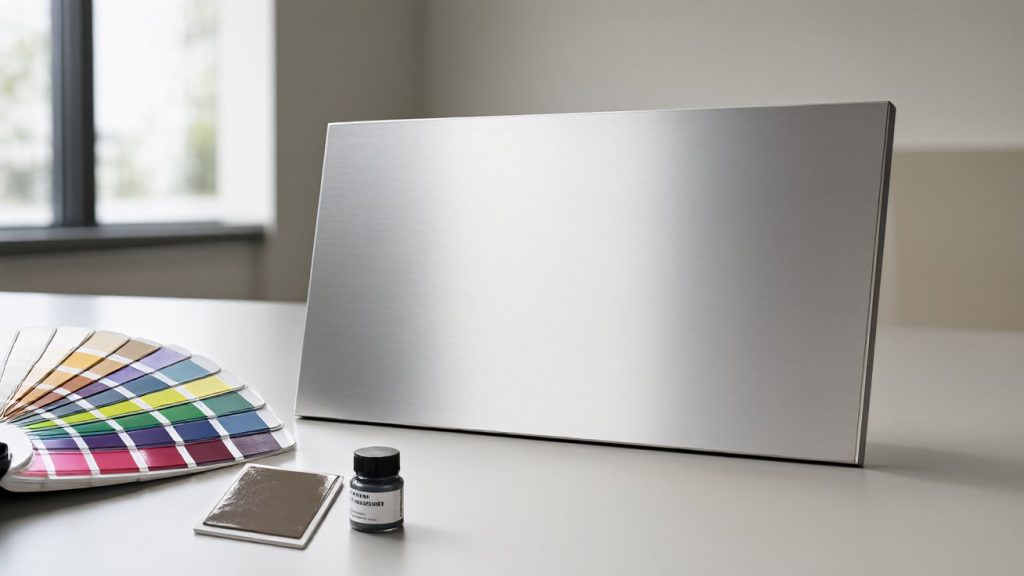
Colour is the detail clients notice first when a sign arrives, and the one most likely to cause a dispute. A brand may be described precisely in a manual, yet the physical result depends on a finish, a batch and a light source. For Duoyuan, color matching is the process used to turn that description into a surface that can be approved, repeated and inspected. It sits between design and fabrication, where a decision is still cheap to change.
For the buyer, understanding the process makes approvals faster. It explains why a fabricator asks for lighting information, why a small sample is more useful than a printed proof, and why a finish is recorded by reference rather than by name. This article looks at how the match is established, how it is held through production, and what buyers can do to keep the result consistent.
How Duoyuan approaches color matching
A colour conversation starts with a reference. Duoyuan asks for the approved artwork, the brand’s colour definition and, where possible, a physical object that shows the intended result. A RAL color reference is useful because it describes a paint colour rather than a screen value, though it is still only a starting point: the same reference looks different on gloss and matte surfaces and under different lighting. The team records the reference in the project notes before any sample is made.
The next step is to identify the finish system. Paint, powder coat, anodising and vinyl film each produce a different appearance even when the nominal colour is the same. A finish sample is prepared on the actual substrate wherever possible, because the texture and preparation of the base material affect how light is reflected. This is why a sample on paper rarely settles a question about a metal sign.
Lighting is part of the match. A colour approved under workshop lights may read cooler on a north-facing wall or warmer beside a warm-white lamp. Duoyuan notes the site conditions gathered during the survey and uses them when judging the sample. Buyers who want to see how colour fits into the wider service can read the solutions overview.
Keeping color matching steady across a paint batch
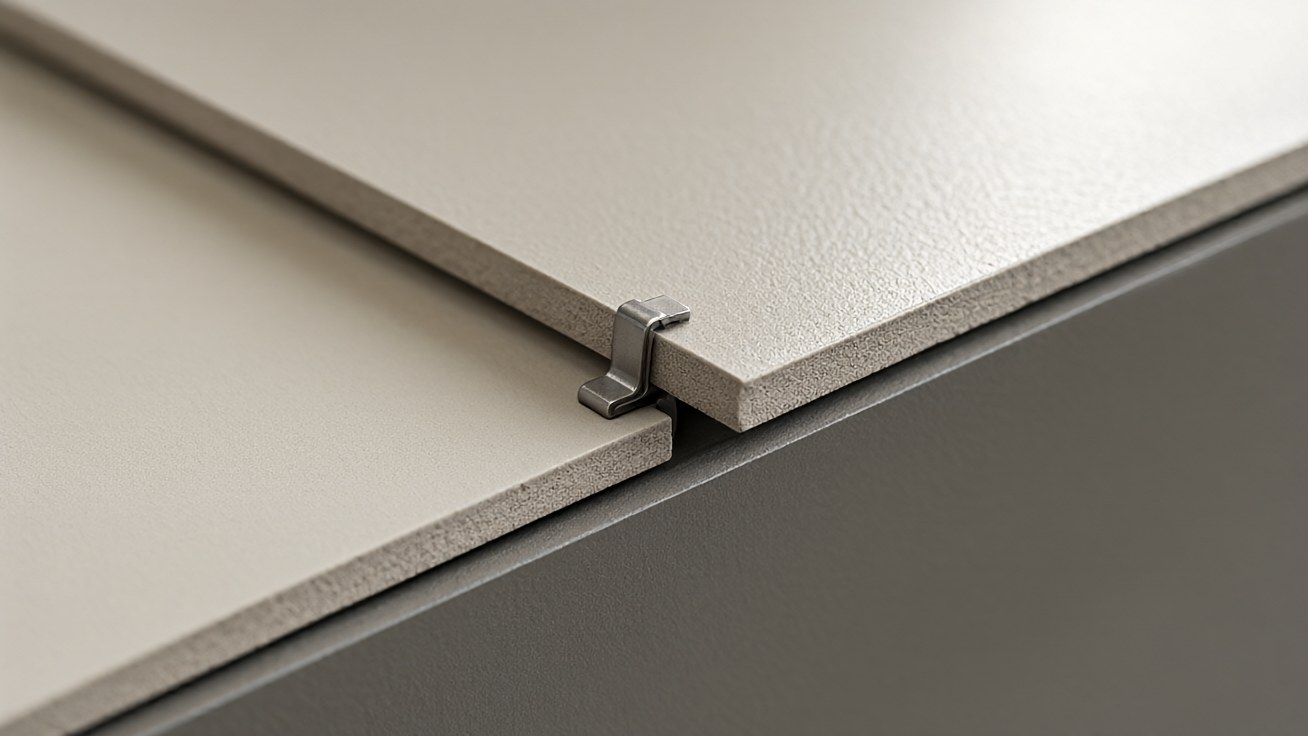
Approving a sample is only the beginning. The same colour has to be reproduced on every panel, letter and return that leaves the workshop, and that means controlling the batch. Duoyuan mixes or selects coating to the agreed reference, records the batch details, and keeps the material for a project together where the schedule allows. A single batch reduces the chance that two adjacent faces drift apart.
Even with care, small variations can occur between batches, particularly on large projects delivered in phases. The team flags this before it becomes a problem and keeps the records that allow a later phase to be matched to the original. A paint batch that is manufactured months apart may need a fresh comparison against the retained standard. That comparison is made against a physical reference, not against a memory of the first approval. Buyers can help by keeping the reference stable: sending the same approved artwork to every supplier and confirming the lighting the sign will be judged under removes two common sources of disagreement. Duoyuan keeps the notation and the retained sample in the project file so a question raised at handover can be answered from the record. It is a small discipline that pays off when a site has many elements made in more than one run.
The table below summarises the factors the workshop checks when preparing a finish. None of them is a substitute for looking at the real surface, but together they make the result repeatable.
| Factor | What is checked | Why it matters |
|---|---|---|
| Colour reference | Agreed standard and notation | Gives both sides one target |
| Substrate | Material and surface preparation | Changes how the finish reads |
| Gloss level | Matte, satin or gloss | Affects apparent colour depth |
| Batch identity | Mix records and retained sample | Allows later phases to match |
| Site lighting | Daylight and artificial sources | Determines the final appearance |
From finish sample to approval sample
A coating sample answers a narrow question: does this surface look right? A full mock-up answers a broader one: is the whole treatment, including edge finish, letter construction and illumination, acceptable to proceed? Duoyuan prepares these at different moments. The finish sample settles colour early, while the approval sample confirms that the construction and the colour work together before a full run begins.
Keeping the two distinct avoids confusion. A buyer may love the colour on a small plate but dislike how it appears on a deep return once lit. Catching that at the approval stage is far cheaper than discovering it after a batch of faces has been made. The team records the outcome of each review so the next person picking up the project can see exactly what was agreed.
Where a sign is illuminated, the mock-up is judged in the same way the finished sign will be seen. A face that looks accurate unlit can shift when LEDs are behind it, and a translucent material can warm the colour. Duoyuan checks both states and notes any difference on the approval record. More about the construction of lit elements is on the illuminated letters page.
Holding color consistency after installation
Color consistency does not end at handover. Outdoor finishes are exposed to sunlight, rain and cleaning, and different materials age at different rates. Duoyuan specifies finishes with the environment in mind, including IP65-rated construction for exposed illuminated elements, and subjects LED components to a 48-hour aging test before shipment. These steps protect the appearance as well as the function of the sign.
For a multi-element installation, the team keeps a record of the references used so a future repair can be matched rather than approximated. That record is part of the handover information, alongside the drawings and maintenance guidance. Buyers who want to understand how quality is checked can read about completed work or ask the team directly through the contact page.
Questions buyers often ask
What is the fastest way to start color matching?
Send the approved artwork, the brand’s colour notation and a physical reference if one exists. A RAL color reference gives the workshop a concrete target, and noting where the sign will be installed helps the team judge the sample under realistic lighting.
Why do you need a finish sample instead of a printed proof?
A printed proof shows ink on paper, not coating on metal. The substrate, surface preparation and gloss level all change the result. A sample made on the actual material is the only reliable way to confirm the appearance before production.
How do you keep a paint batch consistent?
Duoyuan records the batch, retains a reference sample and keeps related parts together where the schedule allows. If a later phase is manufactured separately, the new work is compared against the retained standard rather than assumed to match.
When is an approval sample needed?
When the construction or illumination could change how the colour reads. A simple flat plate may only need a small coating sample; a lit, three-dimensional letter is better confirmed as a full mock-up before the batch is released.
Can a colour be matched exactly to a screen?
No. Screens emit light and paints reflect it, so an exact visual match is not realistic. The practical target is a documented reference that reads as the same brand colour on site. That is why the team works to a physical standard.
How is color consistency checked at handover?
The finished surfaces are inspected against the approved reference under agreed lighting, and the finish records are included in the handover pack. If a repair is needed later, those records let the team reproduce the original appearance.
Reliable colour comes from a clear reference and a disciplined process, not from guesswork. If you want a signage partner that documents the match from sample to installation, review Duoyuan’s company background, check the FAQ, or request a sample through the quote form.







