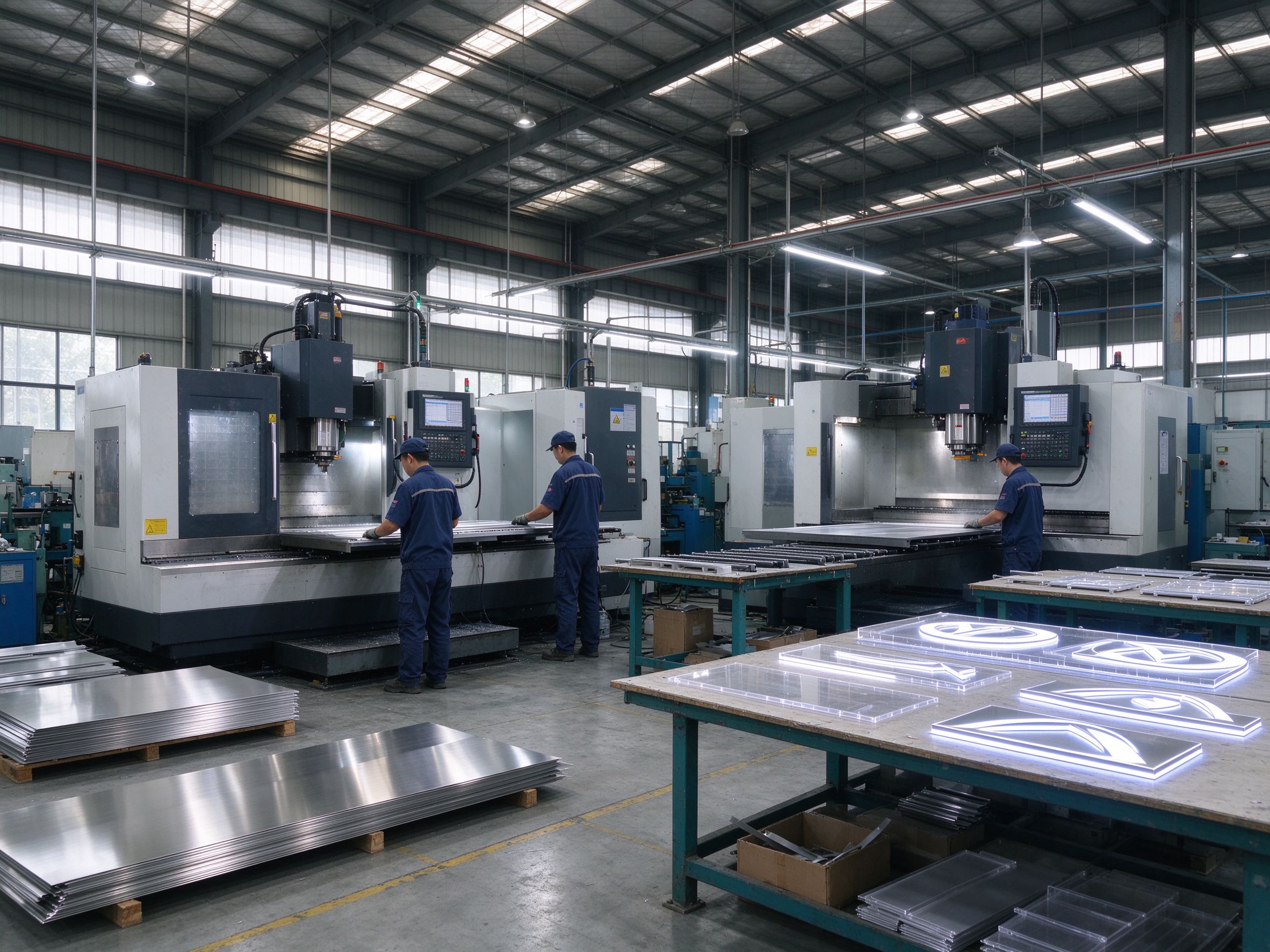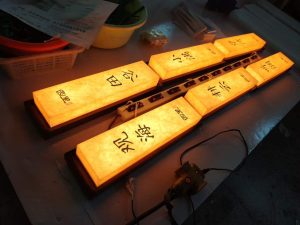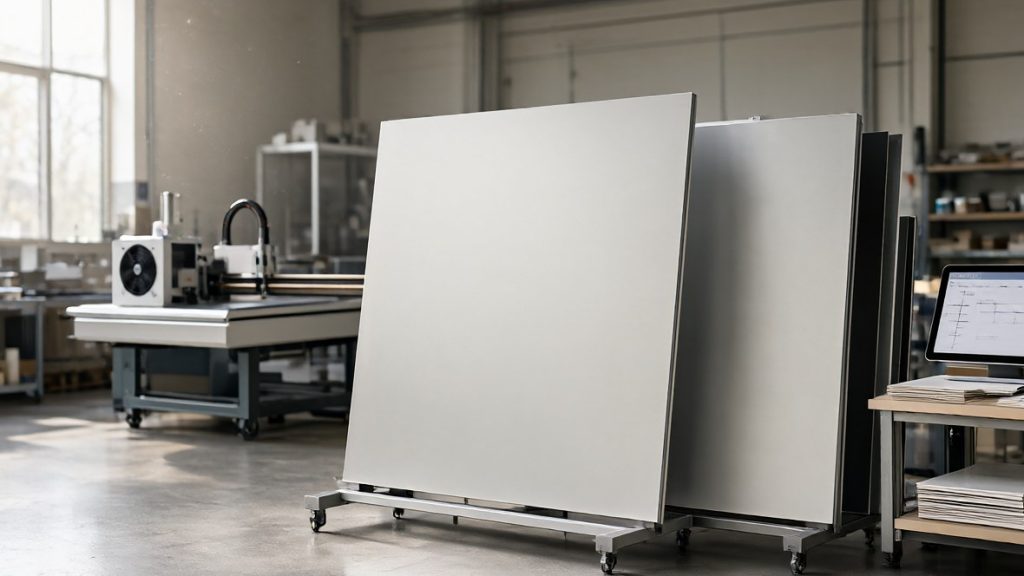
Good production scheduling is what turns a custom sign order into a predictable set of workshop operations rather than a race against the dispatch date. At Duoyuan Advertising we schedule against the reality of a 5,000+ square metre facility in Guangzhou, where cutting, forming, finishing, illumination work and packing all compete for the same space and people. The aim is not to promise the quickest possible job; it is to place each operation where it belongs so that a sign leaves the workshop in the condition it was approved. Custom work rewards that discipline because no two orders consume the same resources in the same order.
A schedule is also a communication tool. It tells a buyer when a finish must be locked, when a drawing needs a final answer, and when there is still room to make a change without disturbing anything else. We keep those points explicit rather than hiding them inside a single delivery promise. General lead times for our custom work sit in the range of 10 to 25 working days, and the variation comes from the scope of the job rather than from an arbitrary queue. The sections below explain how we think about capacity, sequencing and the moments that matter to a buyer.
Why production scheduling matters in a custom sign workshop
Custom signage is not a repeatable line process. A monument sign may need extensive fabrication before any illumination work begins, while a set of illuminated letters can move quickly through forming but spend longer in electrical assembly. If a planner treats both as the same job, one will wait for a machine that the other is using. Production scheduling exists to prevent that collision. We break an order into the operations it actually requires, estimate the attention each one needs, and then place them against what the workshop can realistically absorb in a given window.
The other reason is quality. Rushed work tends to concentrate at the end of a job, when finishing and packing are squeezed together. By spreading the workload, we give each operation room to be inspected before the next one starts. That fits with our documented one-stop process of design, custom fabrication and installation, because a sign that passes through several trades needs a clear handover between them. A schedule that only protects the dispatch date will quietly sacrifice those handovers, and the weakness usually shows up after installation rather than before it.
How production scheduling works around workshop capacity
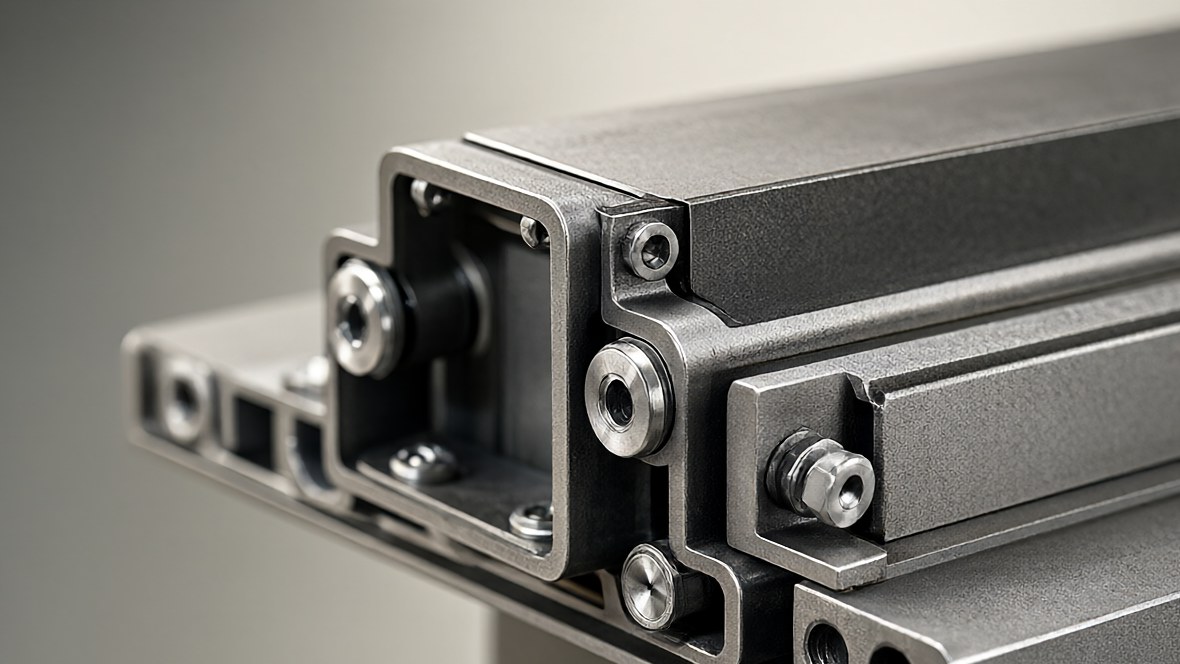
Workshop capacity is a practical measure, not an abstract number. It depends on which machines are free, how much bench space a large assembly occupies, and how many trained people are available for a particular process. We plan against those constraints when an order is accepted rather than discovering them halfway through. An oversized piece, for example, may need a whole bay for forming, and that bay cannot simultaneously hold a batch of smaller nameplates. Recognising the conflict early is far cheaper than moving work at short notice.
Our lead time planning starts from the same information. We work backwards from the requested delivery date, allow realistic time for each operation, and identify which decisions have to be made before material can be committed. Where a buyer needs a faster turnaround, we look at what can genuinely change: a simpler construction, an earlier finish decision, or a phasing that lets part of the order ship ahead. We do not invent capacity that is not there. That honesty is part of the service, and it is more useful than an optimistic date that has to be revised later.
Comparing ways to run an order book
Different order shapes call for different planning methods. The table sets out the patterns we encounter most often and how each one is handled. It describes our general approach to planning, not a commitment on a specific job. Buyers who understand the pattern can make better decisions about when to release drawings, when to approve finishes, and whether order batching suits their order.
| Order pattern | How it is planned | What the buyer controls |
|---|---|---|
| One large sign | Sequenced operations with space reserved | Timing of drawing and finish approvals |
| Many small items | Grouped into shared material runs | Completeness of the item list |
| Repeat batch | Fitted around existing production windows | Confirmation that the specification is unchanged |
| Mixed scope order | Phased so independent items can move first | Priority within the overall package |
From production sequence to delivery milestone
The production sequence records the order in which operations happen and what each one needs before it can start. Cutting usually precedes forming, forming precedes finishing, and illumination work waits until the housing is ready to receive it. That sounds obvious, but on a busy floor the sequence is what stops a partially finished sign from blocking the space that the next job needs. We use it to decide what to release to the workshop and what to hold back, and we keep it visible so a change in one job can be assessed against the others.
A delivery milestone is a point the buyer can plan around, such as the completion of fabrication or the readiness of goods for collection. We agree these points early and keep them separate from internal workshop targets. Where a project involves installation, the milestone also accounts for the handover between our team and the contractor on site. Export work adds another layer, since documentation and packing have to be complete before the goods leave. None of this is a claim about a named project; it is how we structure a custom order so that everyone is looking at the same timetable.
Questions buyers often ask
How is production scheduling handled when an order changes?
We look at where the change lands in the current sequence. If material has not been committed, a drawing revision is usually straightforward. If a sign is already formed or finished, the same revision may mean remaking a part. Rather than guessing, we check the actual position of the job and tell the buyer what is still flexible. That answer is more useful than a blanket yes or no, because it lets the buyer decide whether the improvement is worth the effect on the timetable.
What sets the lead time for a custom sign?
Scope is the main driver. The number of operations, the complexity of the construction, the finish specified and whether illumination is involved all shape the time required. Our general range is 10 to 25 working days for custom work, with the position in that range determined by those factors. Our lead time planning also considers when the buyer will supply final approvals, because a job cannot move faster than the decisions it depends on. Sharing complete drawings early is one of the most effective ways to protect the date.
How do you plan around workshop capacity?
We start with the constraints of the floor: which processes are available, how much space a large assembly needs and how many people are trained for the work. Orders are then placed against that picture, with space reserved where a big piece will occupy a bay for some time. If capacity is tight, we would rather be explicit about it than accept work that will sit waiting. Buyers can help by confirming specifications promptly and by telling us early if an item is large or unusual.
What is a production sequence?
It is the ordered list of operations an item needs, together with what must be finished before each step can begin. For a sign that means cutting, forming, finishing, any illumination work, inspection and packing in a sensible order. Keeping that sequence explicit helps us avoid the situation where a part waits for a machine that another job is using. It also makes it easier to absorb a change, because we can see immediately which steps are affected and which are already complete.
When does order batching make sense?
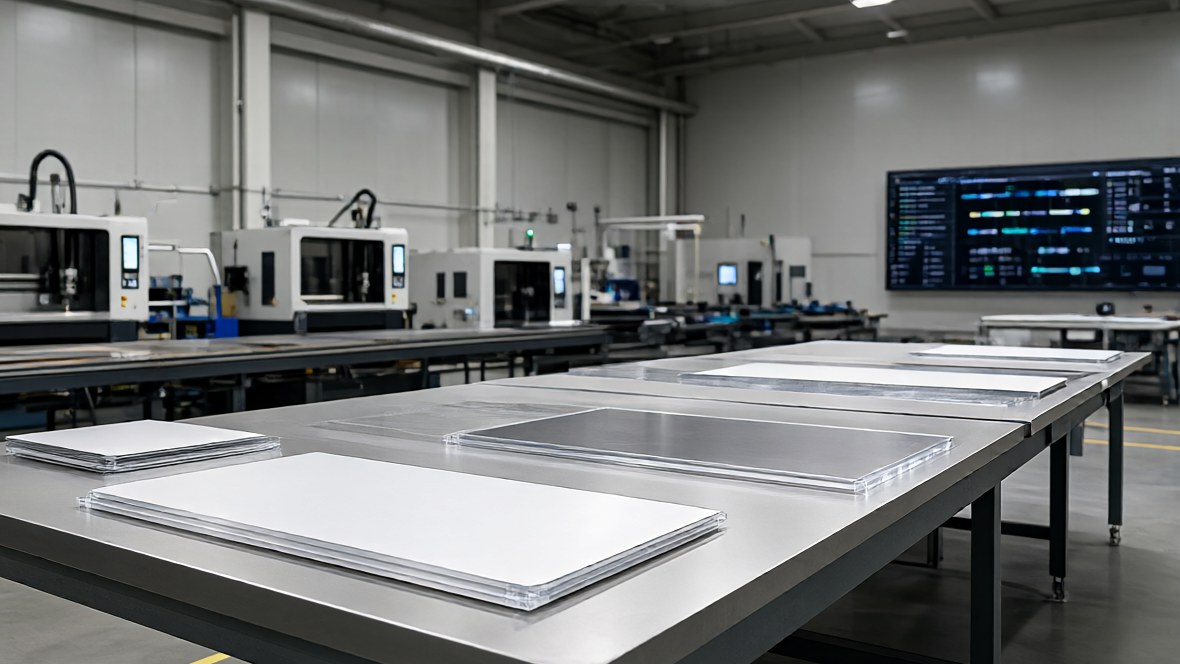
In practice, order batching works well when several items share the same material, finish or process. A set of similar nameplates can be cut and finished together, which reduces setup and keeps the appearance consistent across the set. It makes less sense when items have different specifications or when one piece is urgently needed, because the batch would hold everything back to the slowest item. We choose the method based on what the order actually contains rather than applying a rule.
How is a delivery milestone agreed?
We identify the points that matter to the buyer, such as completion of fabrication or readiness for dispatch, and attach a realistic date to each. Those milestones are agreed when the order is accepted and revisited only when something material changes. Keeping them distinct from internal targets means a buyer always knows what a date refers to. It also gives both sides a clear basis for discussing any change, because the conversation starts from a recorded plan rather than from memory.
If you want a realistic timetable for a custom sign package, send us the scope and we will map the sequence against current workshop capacity. See how we work on the capabilities page, request an indication through the quote page, or read general answers on the FAQ page. Direct contact details are on the contact page.