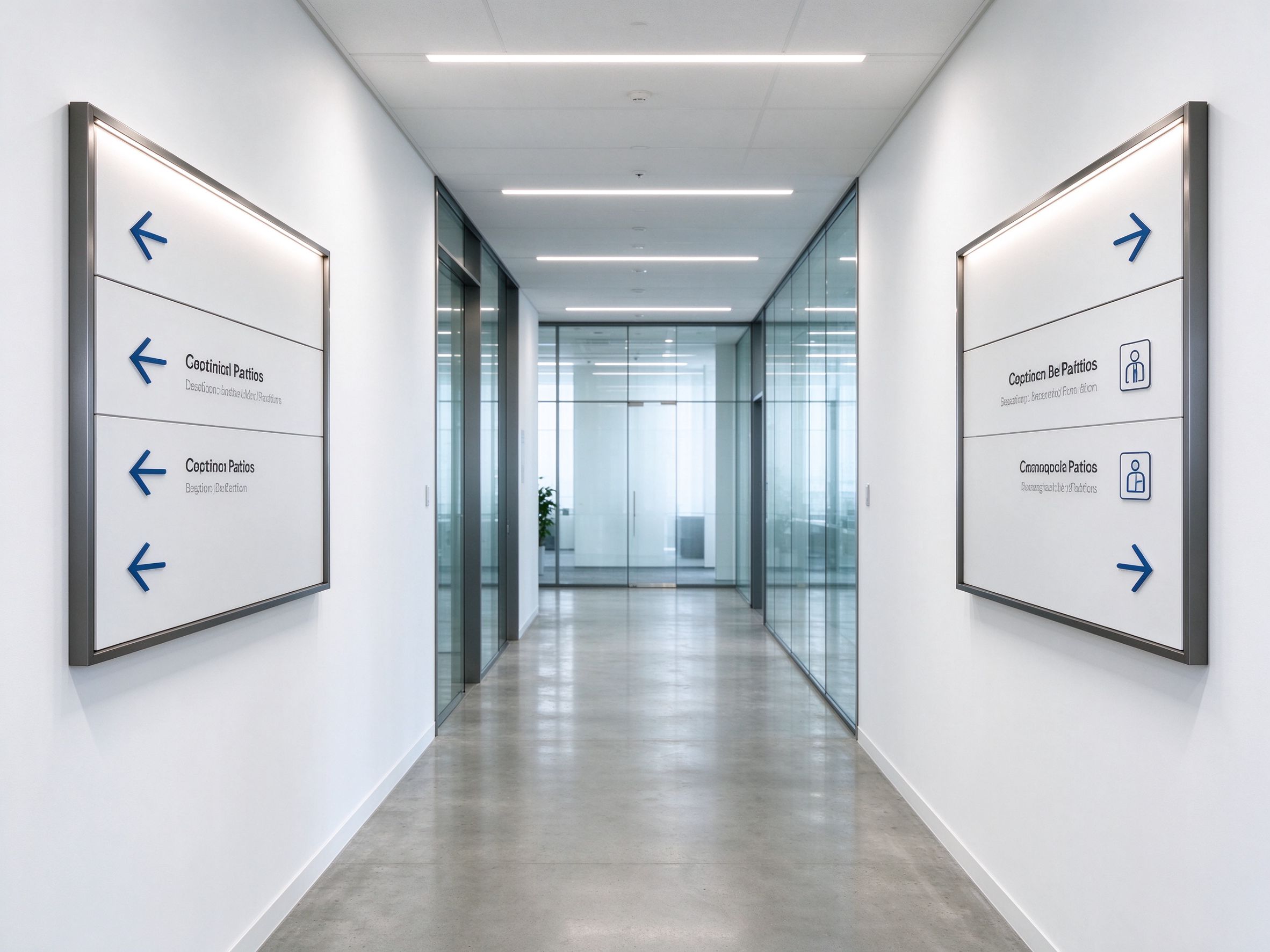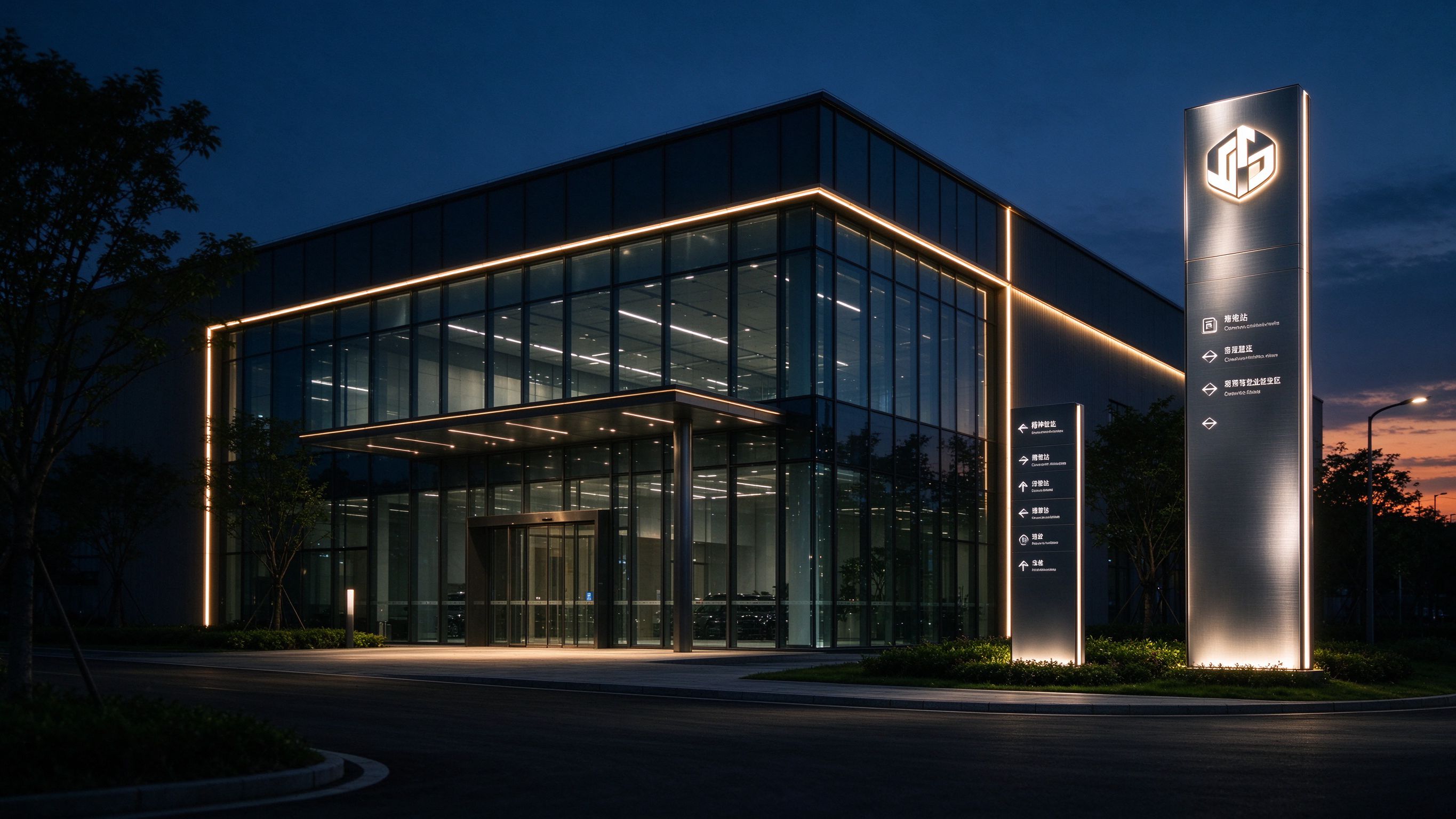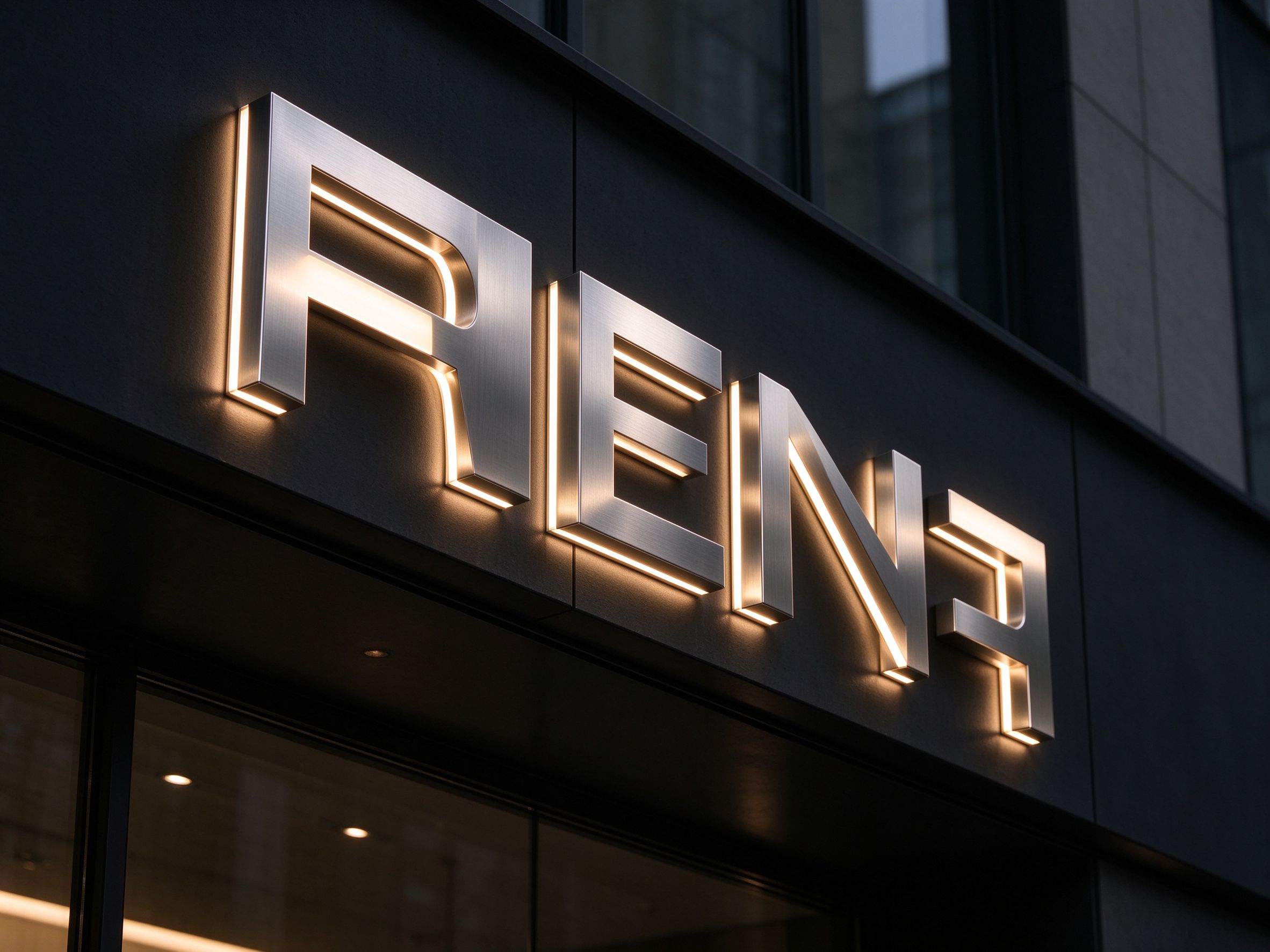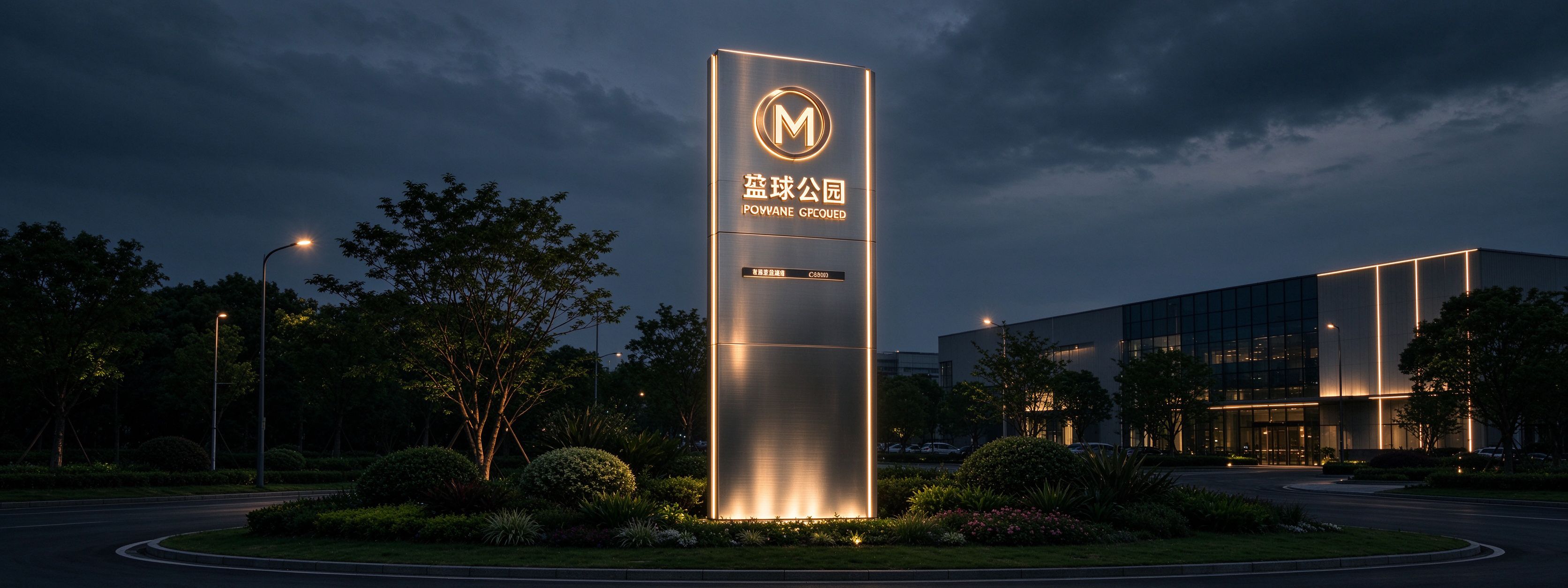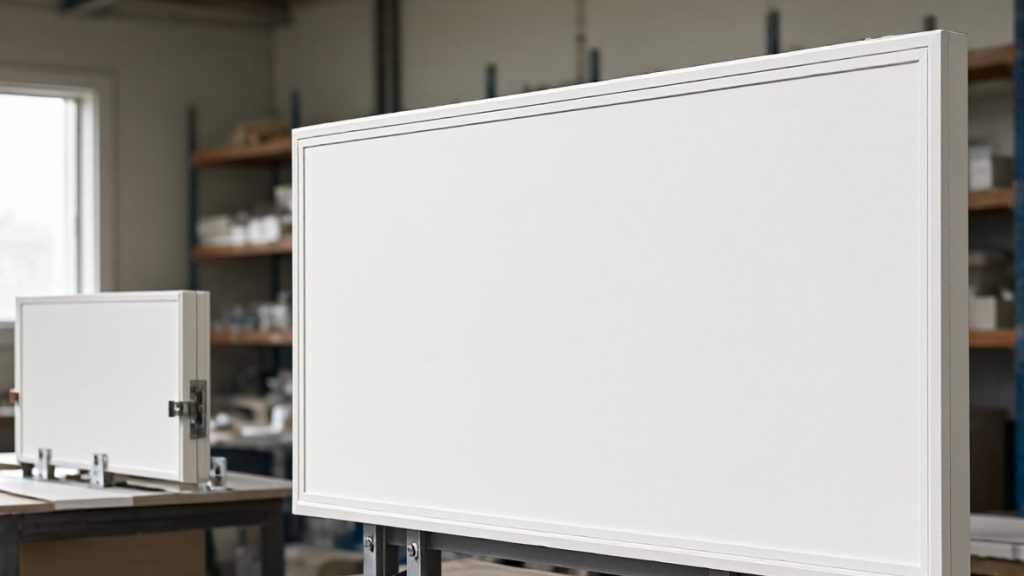
Our prototype and mock-up builds give a custom sign project a physical rehearsal before the workshop commits to final materials. At Duoyuan Advertising we treat a prototype as a question made tangible: can this letter depth be read from the pavement, will the backing sit flush against the facade, do the proposed fixings line up with the substrate? A drawing can suggest answers, but only a built object settles them. The practice sits inside our documented one-stop process of design, custom fabrication and installation, and it is used when uncertainty is cheaper to resolve at the bench than on site.
Not every sign needs one. A simple interior nameplate follows a well-understood route and can go straight to production. Complex pieces — illuminated letters with layered faces, wayfinding pylons, monument signs, anything that has to meet an uneven wall — benefit from a step where the workshop proves the approach. We keep that step proportionate: the prototype uses the intended joining methods where they affect the outcome, and substitutes cheaper material only where the substitution cannot change the answer. The notes below describe when we build, what we build, and how the exercise feeds back into the job.
Why prototype and mock-up builds come before final fabrication
The strongest argument for a mock-up is that it exposes conflicts between systems. A sign is rarely one object; it is a face, a backing, a fixing pattern, a power route and a set of tolerances, all arriving from different suppliers. On paper each part looks reasonable. In the hand, a fixing can land inside a channel, or a service loop can end up visible from the street. A scale mock-up is large enough to reveal these collisions while still being quick to alter. We use it to test proportion and sight lines rather than final colour.
A full size signage prototype answers a different question. It lets a buyer stand at the intended viewing distance and judge whether the letterform carries the brand as expected. For projects that involve illuminated letters, it also shows how light spills onto the wall behind the sign, which is something a rendering routinely flatters. We build these only where the decision genuinely depends on the answer, because a prototype that nobody uses is waste. That judgement is made with the buyer during early planning, not imposed later.
Planning prototype and mock-up builds in our Guangzhou workshop
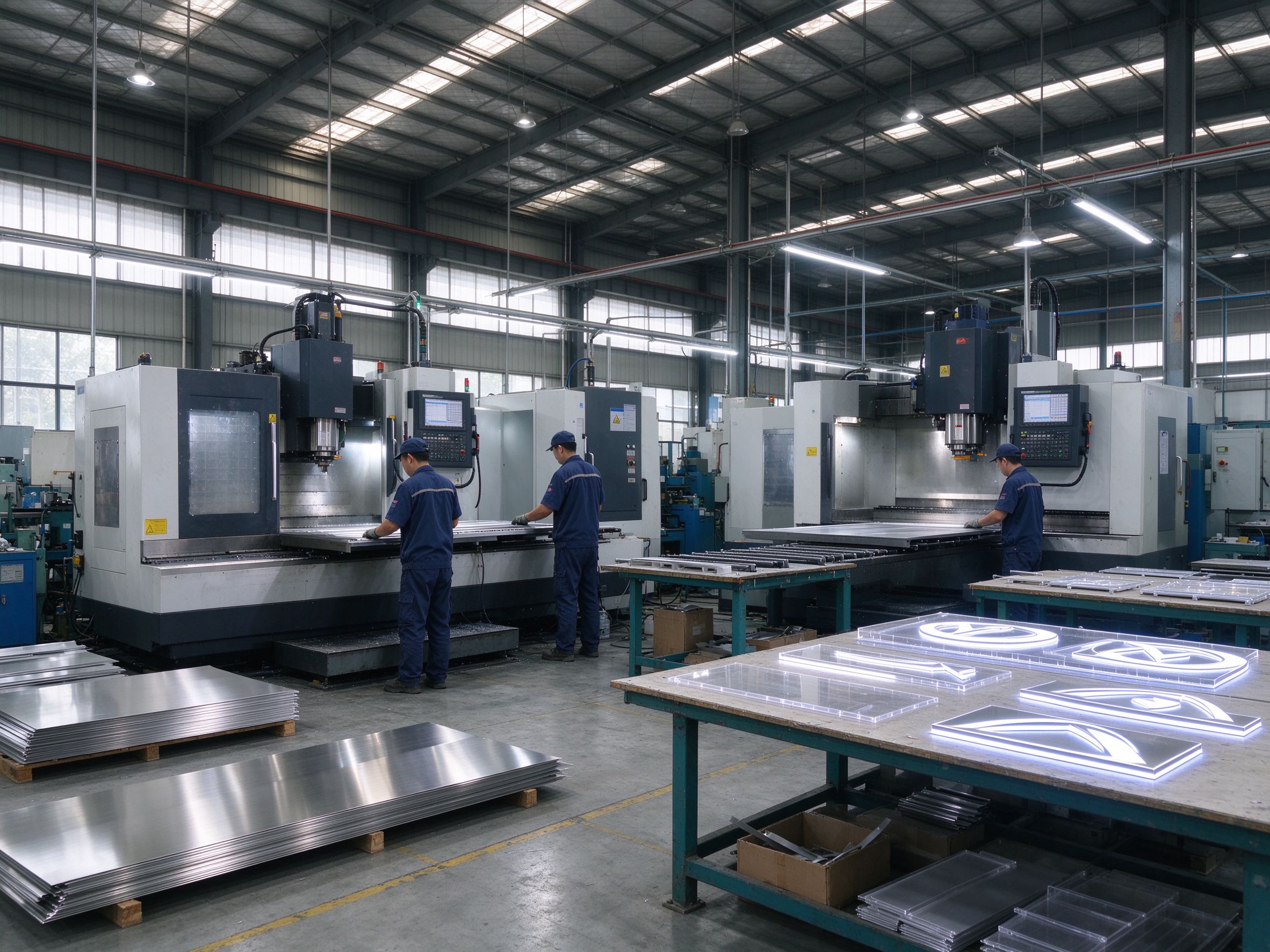
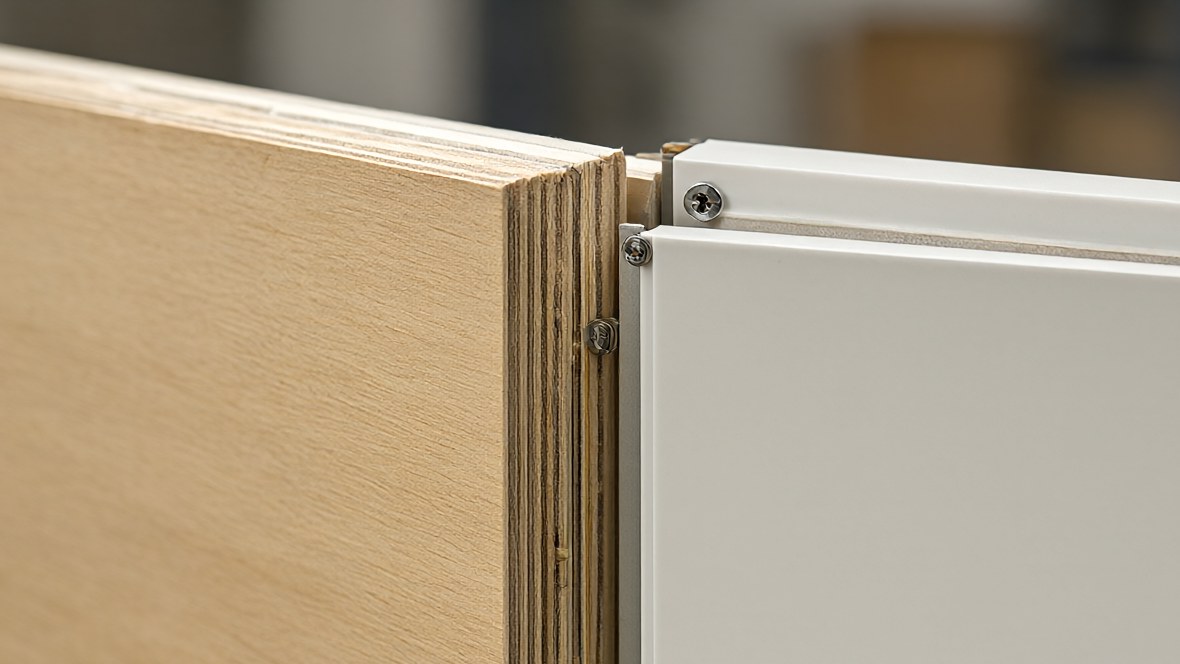
Our facility in Guangzhou covers more than 5,000 square metres, so a prototype can be built alongside live production without disrupting it. The team treats the exercise as a small job in its own right: materials are pulled from the same stock, the same cutting and assembly methods are used, and the result is labelled with the date and the specification it represents. That last detail matters. A mock-up kept without a reference to the drawing it came from becomes useless the moment the drawing changes.
A fit check is built into the process where geometry is uncertain. We assemble the relevant backing and fixing components and, where the site allows, confirm that the proposed mounting arrangement makes sense against the measured conditions. Where the wall or ground cannot be replicated in the workshop, the check becomes a set of documented dimensions for the installer to confirm. This is general practice rather than a claim about any particular site. The output is a short note that the production team can act on, not a vague impression that something looked right.
Choosing the right prototype format
The format should match the question. Going too heavy slows a project down; going too light leaves the important risk unanswered. The table compares the options we use most often and notes what each one can and cannot tell you. It is guidance on specification practice, not a promise about timing on a particular order.
| Format | Best for | Limitation |
|---|---|---|
| Digital scale drawing | Layout and letter spacing | No real depth or surface |
| Scale mock-up | Proportion and component clashes | Colour and glow are indicative only |
| Full-size signage prototype | Viewing distance and fixings | Needs space and more material |
| Material coupon with fixings | Joining method trials | Shows little about overall appearance |
From design review to fabrication trial
A design review is where the prototype earns its keep. We lay the built piece next to the drawing, walk through the differences and record the decisions rather than relying on memory. If a change is agreed, the prototype is either modified or kept as the record of the rejected option; both are useful. A fit check result is attached so the installation team is not asked to reinvent a decision that was already made in the workshop.
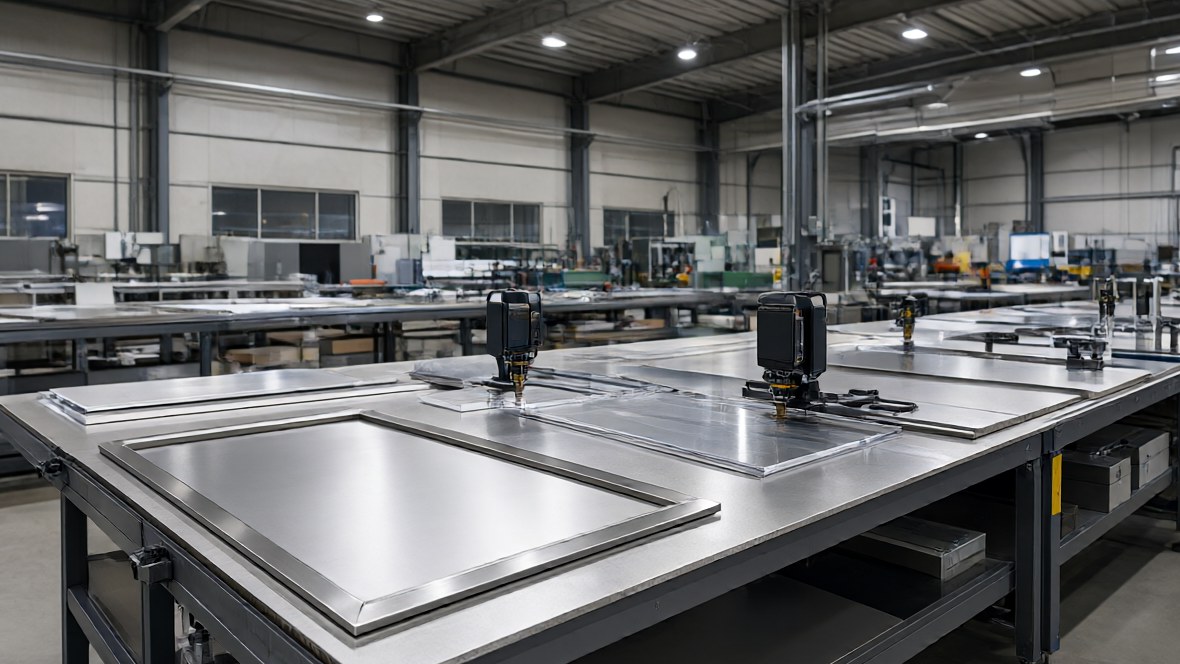
Where a new method is involved, we follow with a fabrication trial on the actual production line. The trial confirms that the approach can be repeated at full size with the available tooling, and that the finish will survive handling. This matters for one-stop work, where a sign may move through several processes before it is packed. A trial that reveals a problem here costs a fraction of fixing the same problem after fabrication. We document the outcome so the lesson carries into later batches and into the next project that uses a similar construction.
Questions buyers often ask
When is a scale mock-up enough for a sign project?
A small model is enough when the open questions are about proportion, spacing and how components meet. It is not enough when the decision rests on colour under site lighting or on how far a word can be read. In those cases a larger piece or a lit sample gives a better answer. We talk through the unresolved questions before choosing a format, so the mock-up is built for a purpose rather than as a token gesture. The same logic applies whether the sign is a nameplate or part of a wayfinding family.
What does a signage prototype include?
It includes the parts that affect the outcome: the face, the backing, the fixing positions and, where relevant, the lighting components. Material can be substituted where it makes no difference to the answer, but joining methods are kept real because they often decide whether a design is buildable. The prototype is labelled with the revision it represents so nobody mistakes it for the finished sign. Buyers are welcome to specify which question matters most to them before we begin.
How do you carry out a fit check before installation?
We compare the assembled components against the dimensions recorded for the site. Where the actual wall or ground can be reproduced in the workshop, the assembly is tried against it; where it cannot, we produce a dimensioned record for the installer to confirm on arrival. The point is to find conflicts while they are still cheap to fix. This is general guidance on good practice, not a description of a particular building. Any mismatch found is written into the job notes rather than left for the installation team to discover.
Who needs to be part of a design review?
The useful participants are the people who can make a decision and the people who will have to build and install the result. That usually means a buyer-side reviewer, a designer and a production representative. A contractor who understands the substrate can add a great deal when the mounting is unusual. That meeting does not need to be long, but it does need to end with named changes and a clear record of what was accepted, otherwise the prototype becomes a talking point that everyone forgets by the time material is ordered.
What happens during a fabrication trial?
The trial runs the proposed method on the production line with the tooling that will be used for the real order. We look for repeatability, surface damage and any step that an operator cannot perform consistently. Where the sign will be illuminated, electrical routing is checked at the same time. The results are noted and fed into the production sequence so the main batch does not inherit an unresolved problem. It is a small investment that protects both the finish and the schedule.
When should prototype and mock-up builds be skipped?
They can be skipped when the design uses familiar construction, the substrate is well understood and the visual decision is already settled by an approved sample. Adding a prototype to that kind of job delays a result without improving it. We would rather spend the effort on a piece where the risk is real. If you are unsure which category your project falls into, describe the unresolved questions and we will give you a straight answer about whether a prototype is worth the time.
For a project where the construction needs proving, our team can scope a proportionate prototype before the main run. Review the workshop capabilities, look through completed work, or send your drawing via the quote page. If you would rather discuss the approach before committing, the contact page lists our direct details.