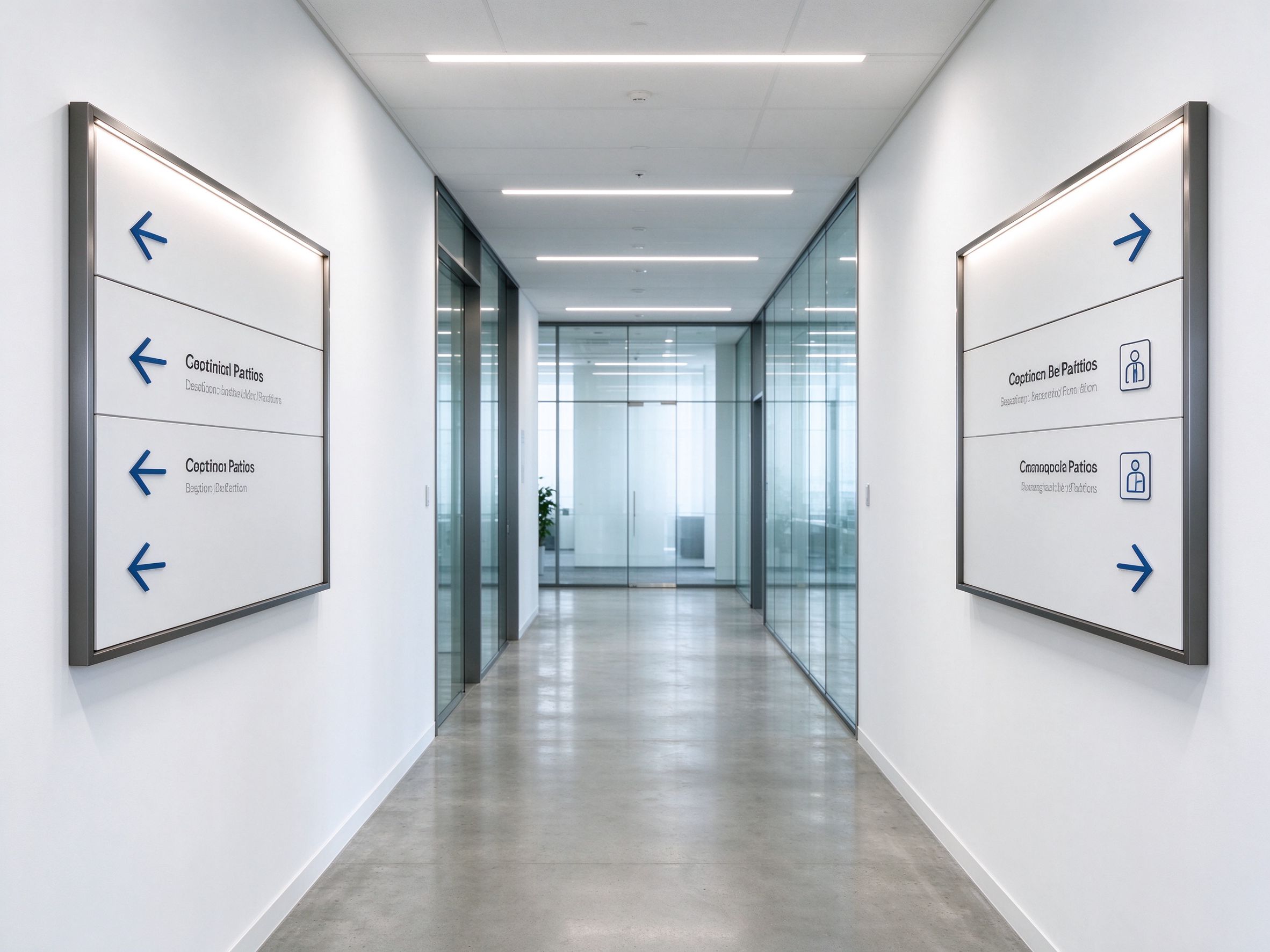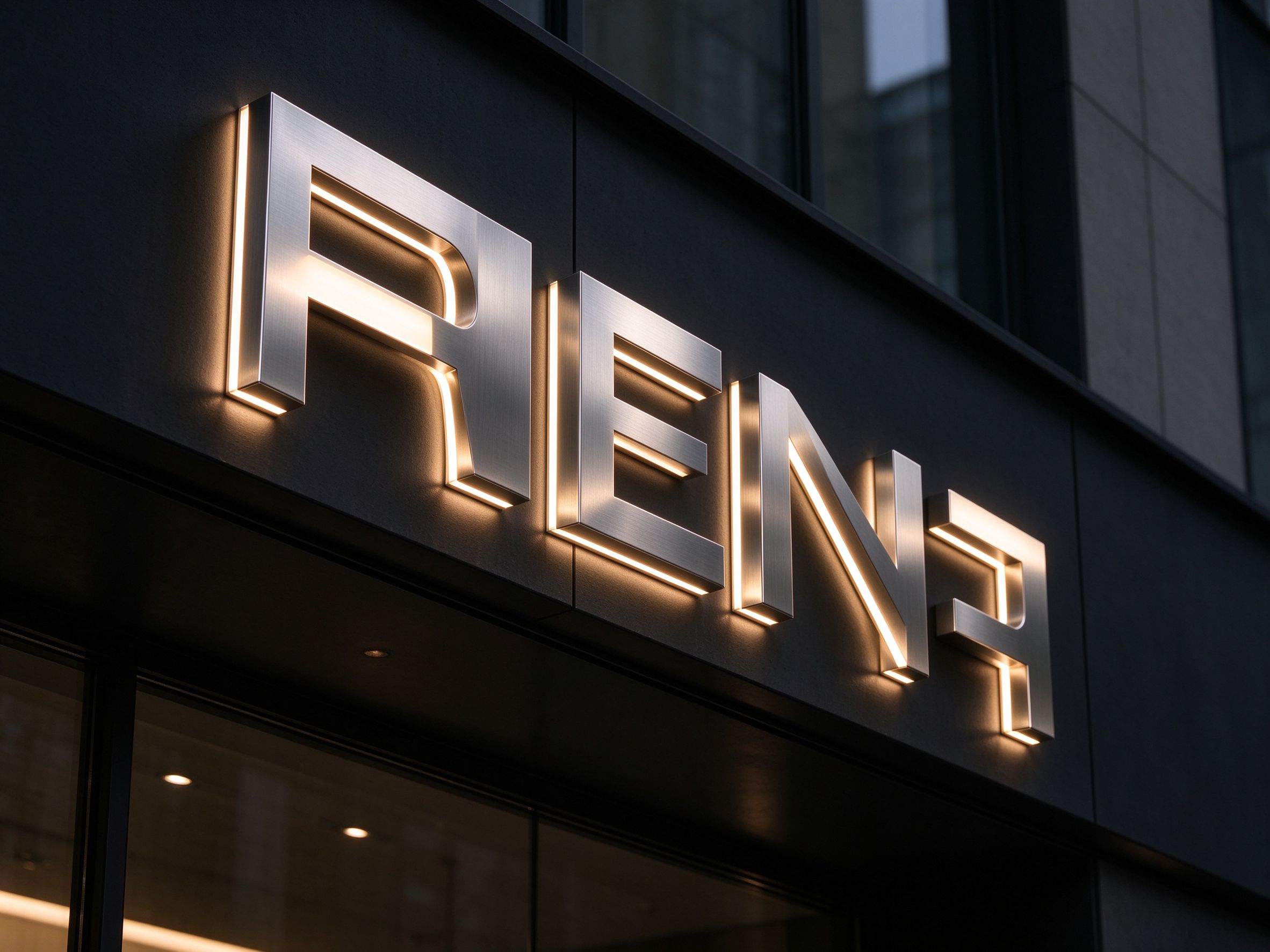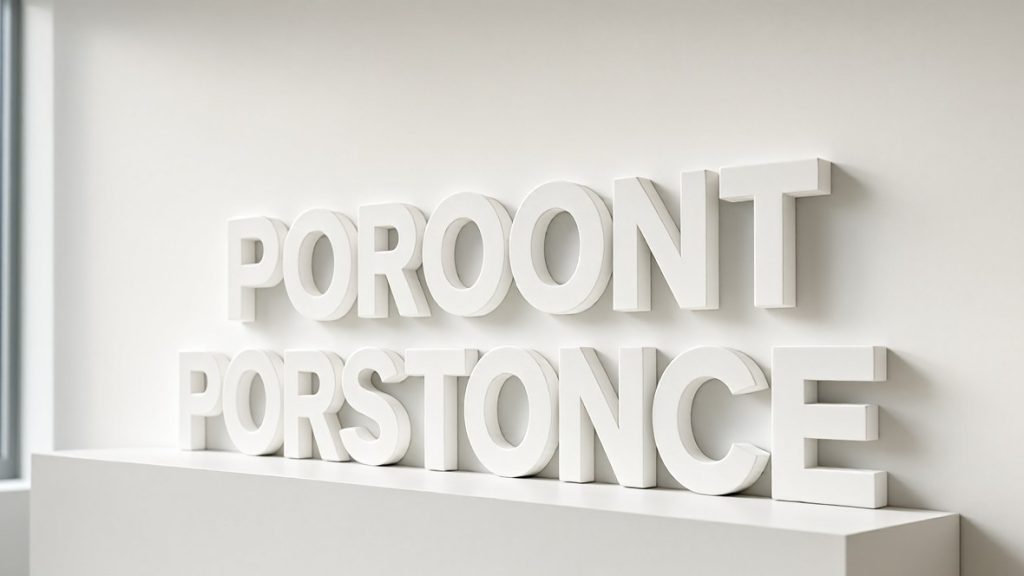
Not every sign needs to be built like a piece of architecture. For an interior notice, a department label, or a short-lived campaign wall, a heavy metal letter is solving a problem nobody has. PVC dimensional letters occupy the useful middle ground between flat print and premium fabrication: they give a word real depth and a clean edge, but they stay light, quick to produce, and easy on a budget. Understanding where that middle ground sits is the key to specifying them well.
This guide is written for buyers who want an honest comparison rather than a catalogue. It looks at the materials, finishing, and fixing methods behind light-duty indoor lettering, and it draws on general trade practice plus the documented signage services that fabricators describe publicly. The advice is deliberately generic: it helps you frame questions for a supplier and judge the answers, whether you order locally or work with an overseas shop. No project is identical, so treat the points below as a way to think, not a specification to copy.
What PVC dimensional letters are good at
The material is a rigid, closed-cell foam sheet that cuts cleanly and takes paint or vinyl without the fuss that softer foams demand. Because it is light, PVC dimensional letters can be mounted on partitions, plasterboard, and display panels that would not happily carry a heavier sign. That lightness also keeps shipping costs down and makes installation a one-person job in many cases, which matters when a fit-out is running to a tight programme.
Its strengths are best used indoors. Expanded PVC signage resists moisture better than paper-based board and does not sag in a humid reception area, but it is still a plastic product with limits: sustained heat, strong solvents, and direct sun will eventually take their toll. Indoor lettering made from this material works well for wayfinding, directory panels, office names, and retail messages that will be read at close range. Match the material to the setting and it will look far more expensive than it cost.
PVC dimensional letters compared with foam and expanded PVC signage
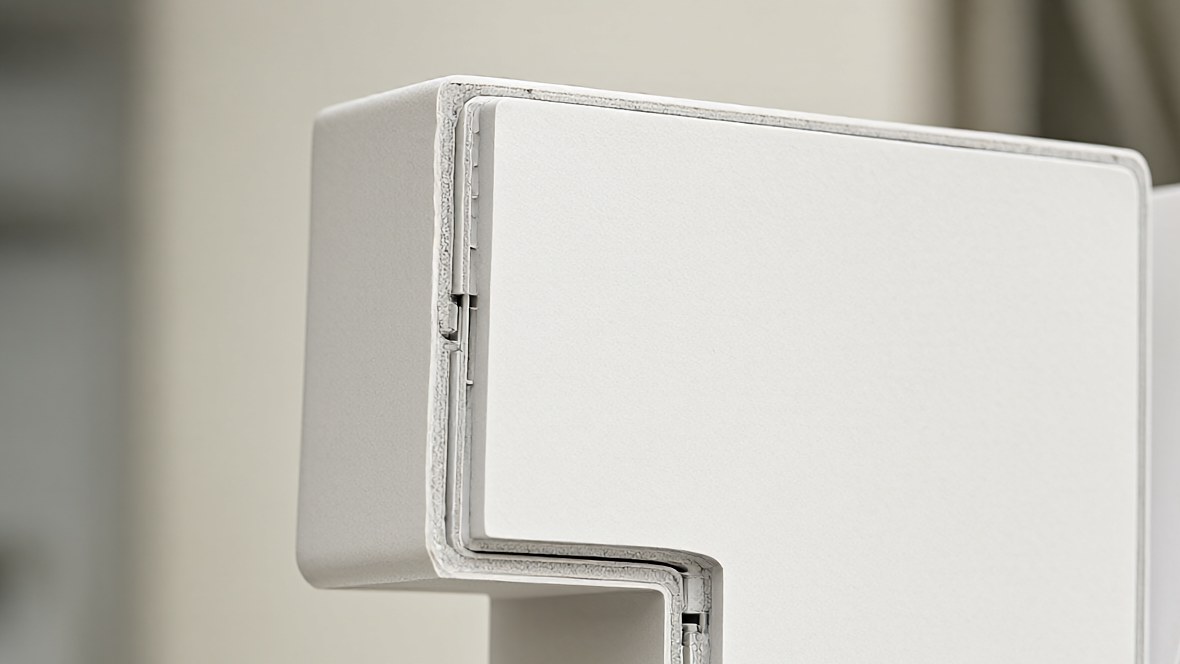
Buyers often meet two lightweight options that look similar in a sample. Foam letters, usually cut from polystyrene or a similar board, are the cheapest way to get depth, but they dent under a fingernail, absorb paint unevenly, and have a texture that can read as temporary. Expanded PVC signage is denser, holds a crisp routed edge, and can be sanded and repainted. The price gap is real, yet it narrows once you factor in handling damage and the number of times a sign is remade.
| Option | Advantage | Trade-off |
|---|---|---|
| Polystyrene foam | Lowest upfront cost | Dents, coarse surface |
| Expanded PVC | Clean edges, paintable | More expensive than foam |
| Layered PVC build | Two-tone depth effects | Extra alignment work |
| Acrylic face | Premium finish | Heavier and costlier |
The table should steer the conversation, not end it. A foam letter behind a glass counter may never be touched and will look perfectly good for its short life, while a PVC word at a busy reception desk takes constant handling. Ask the fabricator which sheet they recommend and why, and request a sample with a finished edge rather than a raw cut. A written material description is more useful than a generic promise that a sign will be durable, because durability means different things in a quiet office and a busy corridor.
Painted PVC letters and finishing choices
Finish is where a light material either earns respect or gives itself away. Painted PVC letters can be sprayed to a close colour match, and a good shop will prepare the surface, seal it, and build colour in thin coats so the edge stays sharp. The alternative is a colour-matched vinyl wrap, which is quicker and can carry fine detail but is vulnerable to lifting at corners. For a word that will be cleaned regularly, a properly cured paint system usually ages better.
Edge treatment deserves attention too. A routed PVC edge can be left matte, lightly sanded, or filled and painted to match the face. Each choice changes how the letter reads in raking light, and none is right for every setting. Ask to see a finished corner up close and under the lighting you expect on site. If the word is part of a larger graphic scheme, supply a physical colour reference rather than a screen image, since monitors distort both hue and brightness. Small finishing decisions are the difference between a sign that looks temporary and one that looks deliberate.
Budget signage without the cheap look
Budget signage is not the same as careless signage. The way to save money is to simplify construction, not to skip the steps that affect how a sign is seen. Choose a shorter word, avoid unnecessary layering, pick a standard finish, and keep the fixing method simple. Those savings go into the visible face of the sign. Cutting back on surface preparation or alignment, by contrast, tends to show immediately and is difficult to fix once the letters are on the wall.
Think about the whole life of the piece. A cheap letter that must be replaced twice costs more than a slightly better one installed once, particularly when Labour and room downtime are counted. Buy a few spare characters from the same batch and store them flat, away from heat. Keep a record of the paint code or material so a later addition can be matched. These habits cost very little and make a modest sign look well managed over time, which is what most visitors actually notice.
Questions buyers often ask
Are PVC dimensional letters suitable for outdoor use?
They are mainly an indoor product. Short-term sheltered use near an entrance is possible, but sustained sun, rain, and temperature swings will shorten the life of both the sheet and the finish. For an exposed exterior location, ask your supplier about a material rated for outdoor conditions instead. Using the right product for the environment is cheaper than replacing a sign that was never meant to live outside.
How do foam letters compare on a tight budget?
Foam letters win on the first invoice and lose later if they are handled often. They are a sound choice for a one-day display or a protected backdrop, where dents are unlikely and the sign is discarded afterwards. For anything permanent or public-facing, expanded PVC signage is usually the better buy. Compare the cost per year of use rather than the cost per letter and the answer becomes clearer.
Can indoor lettering be colour-matched precisely?
Good shops can match to a physical reference, though exact equivalence depends on the finish and the material. Paint generally gives more control than coloured sheet for small runs, while vinyl wraps can reproduce complex artwork. Approve indoor lettering under the lighting of the intended space, because a colour that is right under a showroom lamp can look quite different beside a window. Keep the approved sample for future orders.
Will painted PVC letters peel or chip?
Proper preparation is the deciding factor. Painted PVC letters should be cleaned, keyed, primed where needed, and cured between coats. When those steps are skipped, paint can lift at edges, especially on pieces that are handled daily. Ask how the surface is prepared and request a sample of a finished edge. Minor chips can be touched up from a retained paint code, so keep a small amount with the spares.
How should a low-cost sign be fixed to a wall?
Keep it simple and reversible where possible. Lightweight pieces often use hidden adhesive pads plus a mechanical fixing for larger characters, which avoids relying on tape alone. Confirm the wall substrate before you choose: plasterboard, timber, and masonry all need different anchors. A clean fixing detail protects the wall and makes the sign easier to remove or reposition during a refit.
What should I ask for when requesting budget signage quotes?
Ask for the same specification from each supplier: material, thickness, finish, fixing method, and what is included for spares. Budget signage quotes vary widely because bidders assume different standards. A short written brief with a size, a colour reference, and a photo of the wall makes comparisons fair. It also reveals which bidder has actually thought about the installation rather than just the letter cost.
Light-duty lettering works best when expectations are set honestly at the start. Use the material where it performs well, invest in the finish people will actually see, and keep the fixing simple enough to survive a refit. To compare approaches with a fabricator, review the custom signage capabilities, read the frequently asked questions, or request a quote with a wall photograph and your colour reference. A clear brief gets you a better sign at any price point.