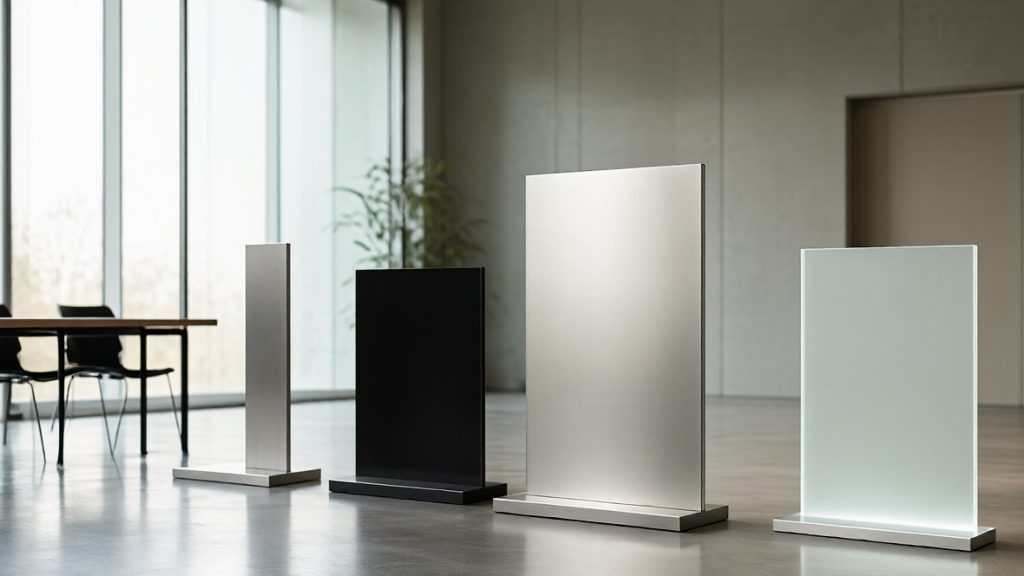
A function room the morning before a keynote has a particular kind of silence. Chairs are set, screens are tested, and the only thing missing is the small detail that tells attendees where they are and what the day is about. Table letters fill that gap quietly: a few words in dimensional form at the centre of each table, readable from a seated position and still legible in a wide shot. For organisers comparing table letters for a launch or conference, the appeal is that a modest object can carry as much visual weight as a far larger backdrop.
Event signage has a short life but a high burden. It must arrive on time, survive transport, assemble without a tool kit, and look considered in photographs that may outlast the event itself. This guide looks at the practical side of choosing and using tabletop letters for conferences, product launches, and receptions. It is general buyer-side guidance, grounded in the kind of custom fabrication work that shops describe publicly, and it assumes you are briefing a supplier rather than building the pieces yourself. The decisions below are the ones that most often separate a smooth setup from a stressful one.
Why table letters earn their place on an event table
At a seated event, the table is prime real estate. Guests spend hours looking at it, and cameras frame it constantly. Table letters turn that surface into part of the visual story instead of leaving it as bare linen. Because they sit at eye level when seated, they are read in a relaxed, lingering way rather than glanced at while walking past. That makes them ideal for names, short slogans, dates, or a single word that anchors a theme for the day.
They also solve a logistical problem. Larger scenic elements belong at the stage or the entrance, but a table-level marker gives every seat a sense of belonging without extra staffing. Well-chosen table letters can double as a take-home keepsake or a prop in a designated photo area, extending their value beyond the meal service. The trick is to specify them as carefully as any other element: size, finish, and stability all matter once hundreds of people are moving around the room and leaning across the table.
Comparing event table signs and tabletop letters
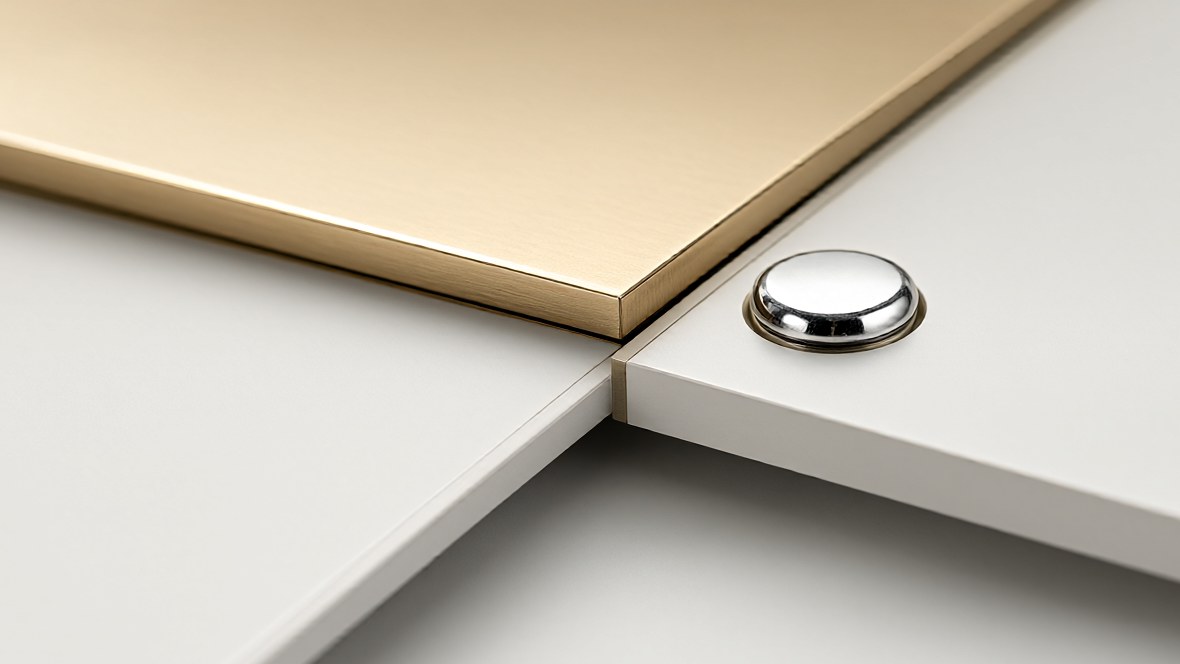
Materials decide how a word survives a load-in. Event table signs are often made from lightweight foam board or expanded PVC, which are inexpensive and easy to transport but mark easily and dislike humidity. At the other end, machined acrylic or layered wood looks and feels more premium, holds paint better, and can be wiped down between sessions. Tabletop letters in a rigid material also stand up straighter on arrival, which matters when a crew has minutes rather than hours to dress a room.
| Material | Best use | Watch-out |
|---|---|---|
| Foam board | One-off, light-duty words | Dents and edge damage |
| Expanded PVC | Repeated local events | Can warp near heat |
| Machined acrylic | Premium launches and photos | Heavier, needs careful packing |
| Layered wood | Warm, tactile branding | Sensitive to moisture |
The table is a guide, not a verdict. A plastic piece may be the right answer for a single evening, while acrylic earns its cost across a tour with many setups. Ask your supplier how each option is edged, how faces are finished, and whether replacements are available if one piece is lost. Confirm the base detail as well: a letter that leans is a distraction no amount of finishing will hide, so request a drawing of the foot or slot before the batch is made.
Light-up table letters and power on site
Light-up table letters add a glow that flat pieces cannot match, especially in a dimmed ballroom or an evening reception. They also add questions. Battery-powered units keep cables off the table and are simpler for a crew to place, but they need a charging plan and a realistic runtime across a long day. Mains-powered pieces avoid the recharge cycle yet leave leads that guests can trip over. Whatever the source, ask how the light is diffused so the face reads evenly instead of showing bright spots.
Heat and access are the two practical concerns. Light-emitting parts sealed inside a solid word can be difficult to service if one fails mid-event, so ask whether modules can be reached without discarding the whole piece. Where power is involved, use qualified people and follow the electrical rules in force at the venue. A short test run in a darkened room before the doors open will reveal any uneven sections far more reliably than a specification sheet, and it gives the crew time to swap a weak unit while there is still a margin.
Conference branding and the photo call
Conference branding works best when it repeats a small number of decisions consistently across the room. If the word on the stage uses a certain typeface and finish, the words on the tables should echo it rather than reinterpret it. That consistency is what makes a wide shot look intentional. Table-level pieces should support the identity, not compete with it, which usually means keeping the message short and the styling restrained.
The designated photo call is where this pays off. Photo call signage placed at table height gives a clear, well-lit backdrop for group shots and offers organisers a natural place to gather guests. Position it where the light is even and where a tripod will not block a walkway. Photograph a mock setup in advance and review it on a camera screen: small words that look fine from a standing position often disappear at the focal length a photographer will use. Adjust the size or contrast before the batch is produced, and always keep a spare of the most photographed word.
Questions buyers often ask
How tall should table letters be for a seated audience?
For a seated audience, height matters less than contrast and a clear face. Words that stand too high block conversation across the table; words that lie too flat vanish in photographs. A brief mock-up in the actual room settles this better than a rule of thumb, because ceiling height and camera angle vary widely between venues. Ask your supplier to show a sample at the proposed size before committing to a full batch.
Are event table signs reusable across shows?
They can be, if you choose materials and storage with reuse in mind. Event table signs in expanded PVC or acrylic survive repeated handling far better than foam board, provided they are packed in fitted slots rather than loose in a crate. Label each piece and keep a simple inventory so missing letters are noticed before the next load-in. Reuse often pays for the better material within a few events.
Can tabletop letters be customised per table?
Yes. Numbered tables, sponsor names, and individual guest titles are all common requests, and most fabricators can vary the artwork while keeping the same base and finish. To control cost, keep the construction identical and change only the applied face. Confirm how files are named and approved, since a single typo repeated across twenty tables is an expensive mistake.
Do light-up table letters need special handling?
They need a little more care. Light-up table letters should be checked for full charge, tested on site, and kept away from spills and heavy pressure on the face. Use the supplied charger and allow time for a full cycle between long days. Keep spare modules or a replacement unit on hand if the schedule is tight, and have any mains wiring handled by a qualified person under local rules.
How early should conference branding be briefed?
Early enough to approve a physical sample, not just a digital mock-up. Conference branding that involves custom colours, special finishes, or lit elements needs time for sampling and for a Trial build. Share the venue, the room lighting, and a rough guest count with your supplier so they can advise on scale. Last-minute changes are possible, but they usually cost more and reduce the finishing options available.
What makes photo call signage work in a wide shot?
Photo call signage needs strong contrast, simple letterforms, and a position with even light. Avoid glossy faces that throw reflections toward the camera, and keep the background calm so the words stay legible. Test with a real camera at the distance a group photo will be taken, then adjust size or placement. It is a small investment that pays every time an image is published or shared.
The best event details are the ones nobody has to think about on the day. Choose a material that suits the number of setups, test the lighting in the room, and photograph a mock table before the real one is dressed. When you are ready to compare options, look at the custom signage capabilities, ask about the illuminated letters range, or talk to the team with your table count and a sample of your artwork. A clear brief turns a pile of loose letters into a room that feels considered.







