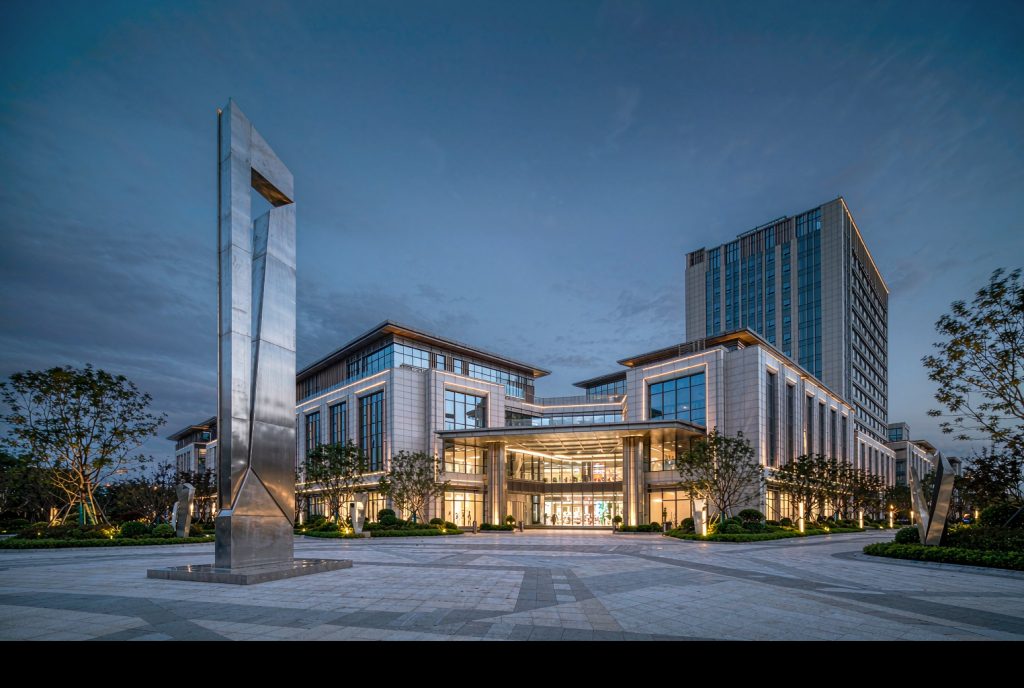
Ask anyone to picture a shopping center, an office park, or a mixed-use complex, and the first image that comes to mind is rarely the building. It is the sign at the entrance. A freestanding monument sign does a job no facade can: it tells arriving drivers and pedestrians, often at speed and in low light, exactly where they are and that they have arrived at the right place. For a commercial complex, that single structure is the most valuable piece of real estate on the site. This article looks at what separates a monument sign that still looks sharp after a decade from one that looks tired in two years.
The monument sign as an identity anchor
A mixed-use complex is a blend of tenants, uses, and architectural styles. The monument sign is the one element that unifies them. It carries the development name, but more importantly it sets a visual tone: the material, the proportion, the lighting temperature all signal whether the place is premium, practical, or playful. Get that right and every tenant benefits from a coherent first impression before a visitor steps out of the car.
Because it sits at the threshold, the monument sign also has to perform where other signs do not. It is exposed to weather on every face. It is read from a moving vehicle. It is lit at night and judged in daylight. Designing for all of those at once is where engineering earns its keep.
Structural engineering comes first
The most common failure mode for a monument sign is not the graphics. It is the structure. Wind load, foundation depth, and the way the panel is fixed to the base decide whether a sign stays upright through a storm and straight through a summer. A responsible build starts with the structure: calculating loads for the local climate, specifying the right steel section, and pouring a foundation that matches the above-ground mass.
For taller monuments, the internal frame is as important as the visible skin. Hidden welds, galvanizing, and drainage paths keep water out of the box where it would otherwise pool and corrode. A sign that looks sealed but is not will show it within a couple of winters.
Material choice: stainless, steel, and stone
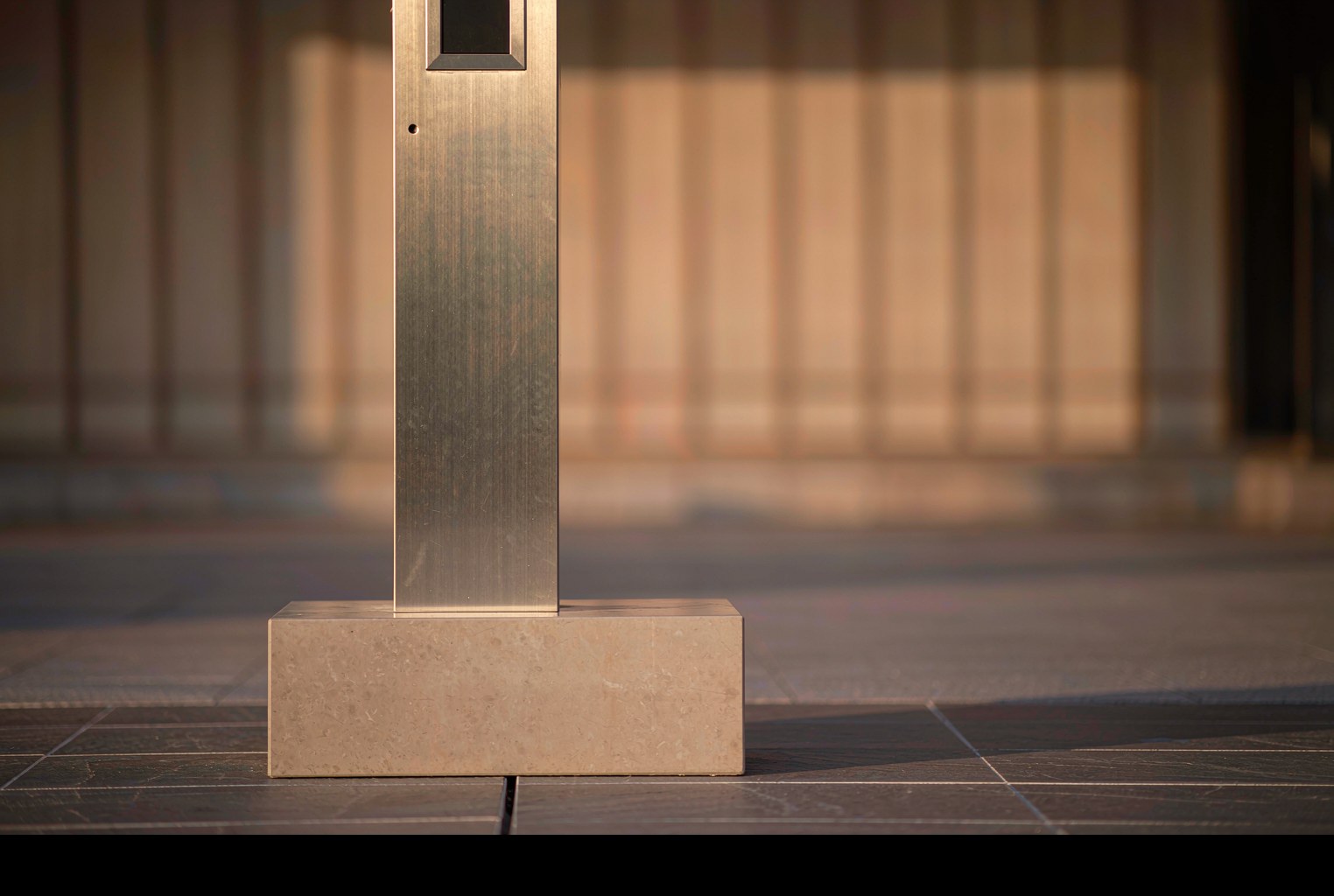
The visible material sets both the look and the maintenance burden. Brushed stainless steel reads as premium and shrugs off corrosion, which is why it appears on so many high-end complexes. Powder-coated steel offers more color freedom at a lower cost, provided the coating is applied and cured properly. Stone or architectural cladding at the base can tie the sign to the building lobby and make it feel planted rather than dropped.
The trick is matching the material to the environment. A coastal site, for example, is far harsher on metal than an inland one, and the specification should reflect that rather than defaulting to the cheapest option.
Lighting that works at night and dawn
A monument sign earns its keep after dark. The lighting has to be even, warm enough to feel welcoming, and free of hot spots or dark patches across the face. For lit elements, a 48-hour LED aging test before shipment is the difference between a sign that performs on night one and one that flickers by month three. Outdoor lit components should meet an IP65 rating so rain and dust stay out of the electronics.
Glare is the quiet enemy here too. A face that is beautifully lit in a studio can wash out under real ambient light or throw glare into oncoming traffic. Specifying diffusers and the right LED density keeps the message legible instead of loud.
Surviving weather and time
Commercial complexes plan in decades, not seasons, so the sign should too. Beyond the structure and the seal, the finish decides the long game. Anti-graffiti coatings help in public-facing locations. UV-stable graphics keep colors from fading under constant sun. Easy-clean surfaces cut the cost of keeping the sign presentable between repaints.
Certifications such as CE, UL, and ISO are worth more than a line on a datasheet. They tell a facilities team that the electrical and structural work has been built and tested to a known standard, which matters when the sign sits beside a public walkway.
Frequently asked questions
How tall can a monument sign be?
Height is governed by local planning rules as much as by design. A practical monument typically reads clearly from the roadway at a height that keeps the message above planting and vehicle sightlines, with the exact number set by local approvals.
What material lasts longest outdoors?
Brushed stainless steel and properly finished aluminum lead on longevity and corrosion resistance. The right choice still depends on the local climate, especially near the coast.
Can the sign be lit and still energy efficient?
Modern LED illumination is both bright and efficient, and a 48-hour aging test before shipment filters out weak modules so the sign stays reliable rather than dimming unevenly over time.
How long does fabrication take?
Once the design is approved, fabrication generally falls within a 10 to 25 working day lead time, with the exact window set by size, finish, and lighting complexity.
Can one supplier handle design, build, and install?
Yes. Carrying consultation, design, fabrication, and installation under one partner keeps the structure and the graphics accountable to the same team, which is the surest way to avoid the gaps that appear when those stages are split across vendors.
Do you build for export or international sites?
Products are built to CE, UL, and ISO expectations and have been supplied to projects in more than 30 countries, so a monument sign specified for one market can be repeated or adapted elsewhere.
Start your monument sign project
A monument sign is the handshake between a complex and everyone who arrives. Getting the engineering, the material, and the lighting right is what keeps that handshake firm for years. If you are specifying signage for a commercial complex, it helps to work with a partner who can take the project from structural design to final installation.
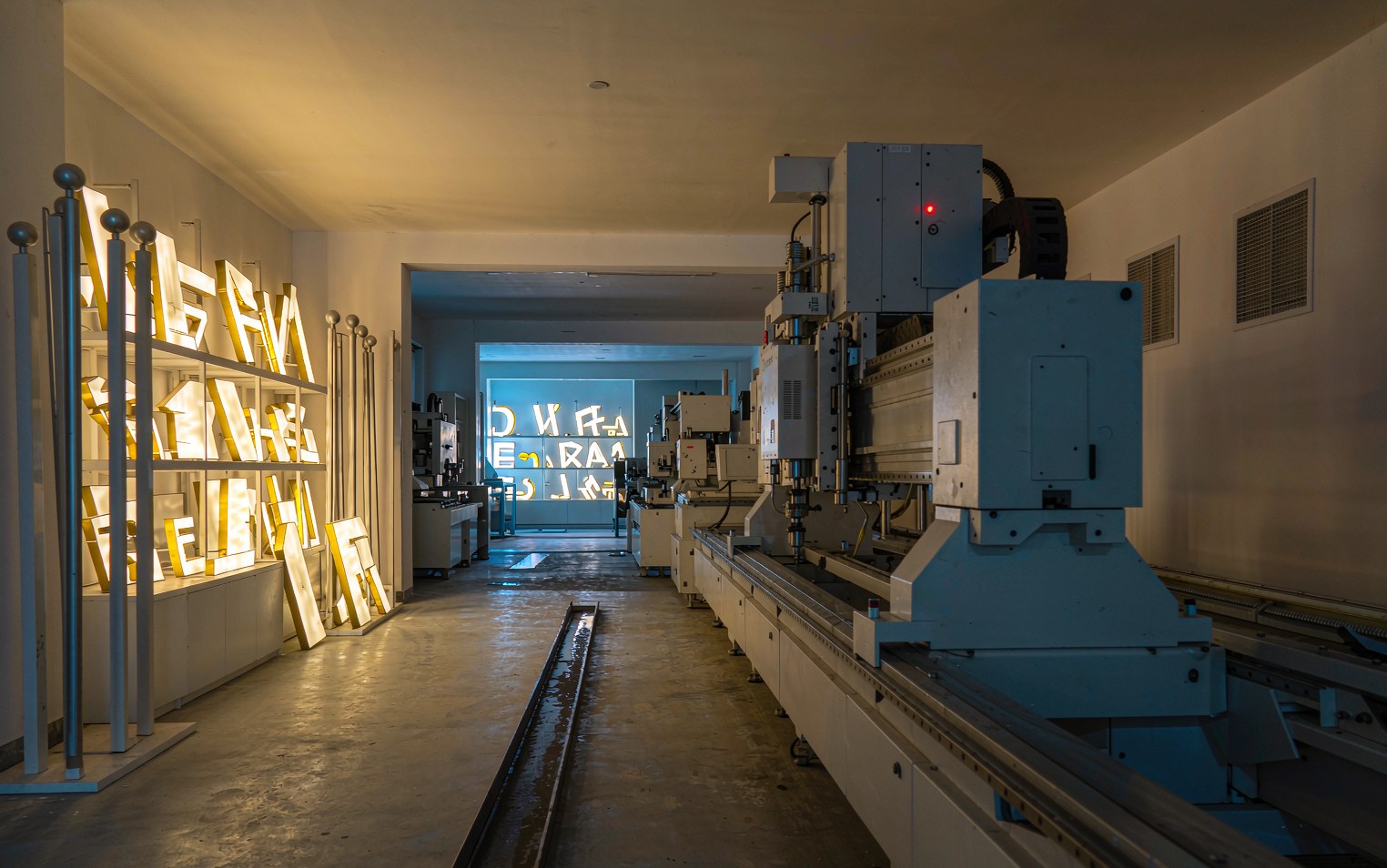
Our team designs, fabricates, and installs architectural and monument signage from a 5,000-plus square meter facility in Guangzhou, with export experience across more than 30 countries. Review our solutions and capabilities, see how our Guangzhou factory operates, or compare front-lit and halo-lit illumination. When you are ready, request a quote or contact us.







