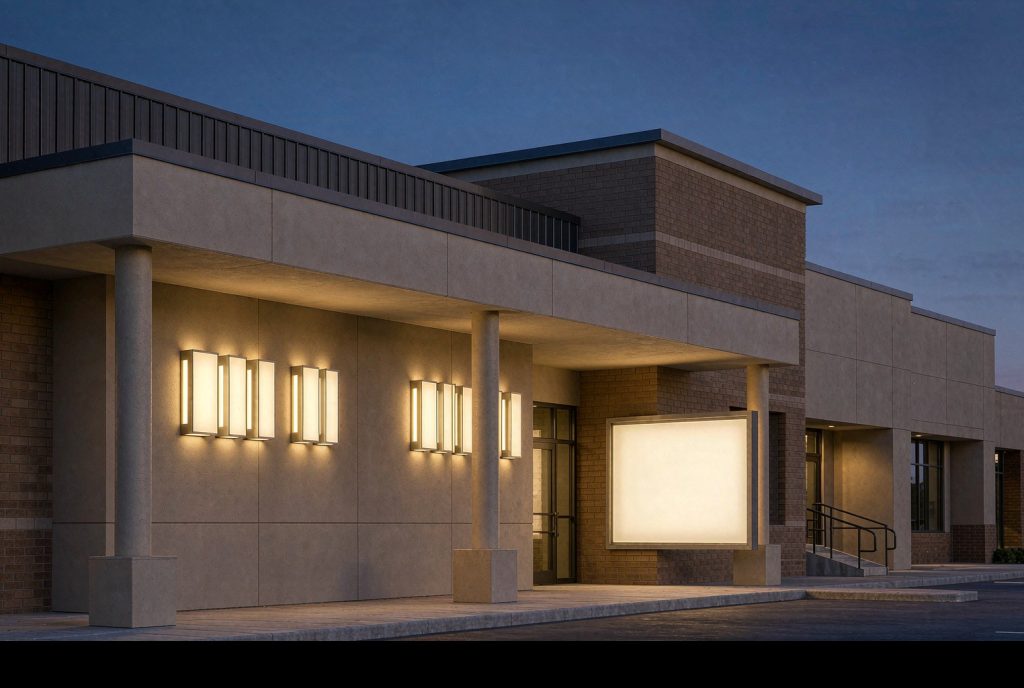
When a business owner specs their illuminated storefront, two options come up more than any others: channel letters and lightbox signs. Both light up, both build a brand at night, and both are everywhere on high streets and malls. Yet they are built differently, read differently, and suit different budgets and buildings. Choosing well means understanding what each one actually is before the quote lands. This article compares channel letters and lightbox signs the way a buyer needs to hear it.
What channel letters actually are
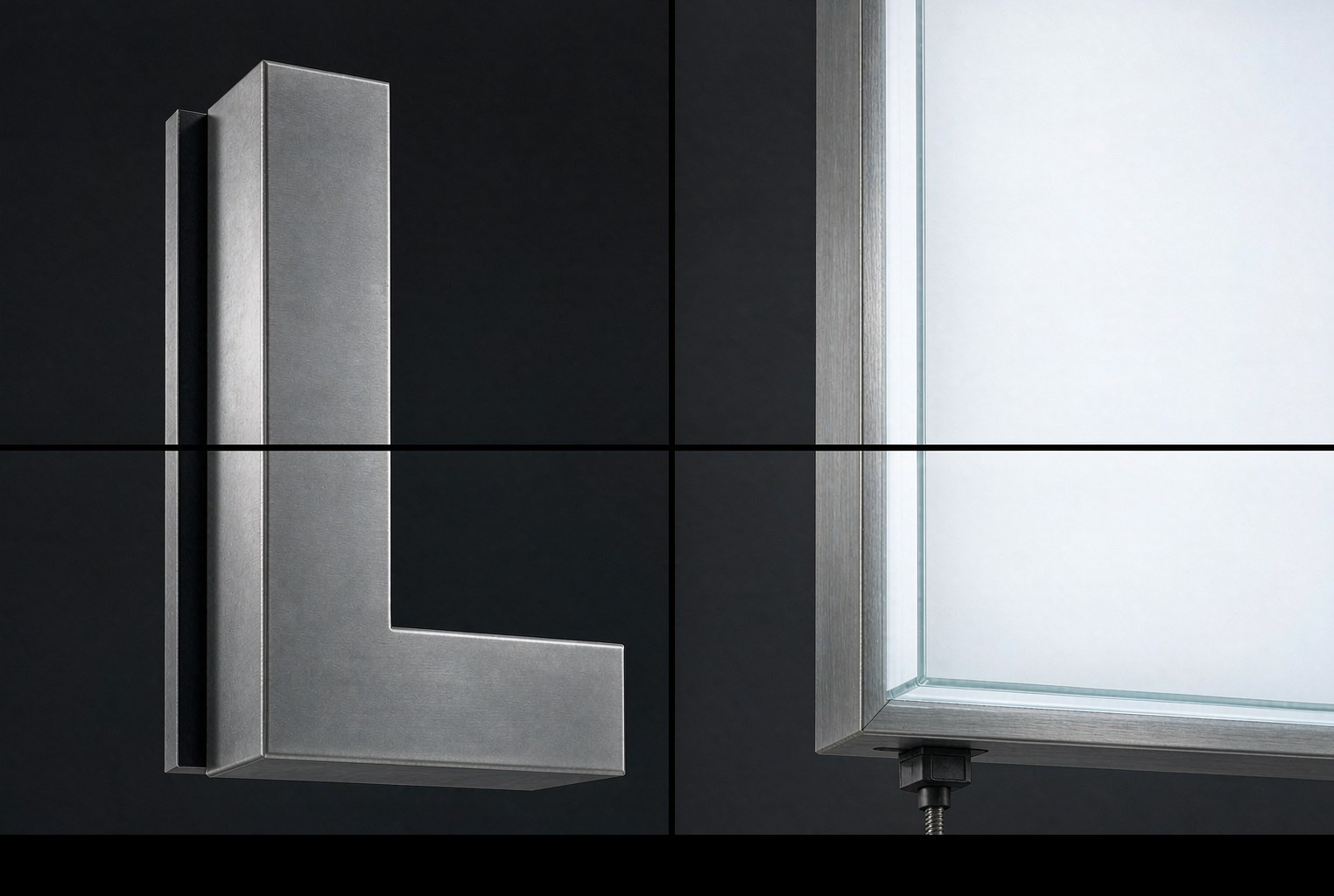
Channel letters are individual three-dimensional letters, each its own enclosed box with LED modules inside and a lit or unlit face. They sit proud of the wall, so light spills forward and, with a reverse or halo style, washes backward onto the surface. Because each letter is separate, the sign reads as crisp, premium, and architectural. A complete guide to storefront channel letter signs usually starts here, because the format is the default for brands that want to look considered rather than just bright.
What a lightbox sign is
A lightbox sign, sometimes called a cabinet sign, is a single enclosed box with a translucent face and internal illumination behind it. The graphic, whether lettering or a full logo, is printed or applied to that face. Where channel letters are separate characters, a lightbox is one panel that glows as a unit. That makes it the branding and advertising solution of choice when the message is a logo, a long name, or an image that does not break neatly into individual letters.
Where each one wins
Channel letters win on perceived quality and legibility at distance. Individual lit forms read cleanly against a wall and age gracefully. They suit tenant mixes on a facade because each unit can be its own sign. Lightboxes win on cost per area and on complex graphics. If the brand is a detailed logo or a wide banner of text, a lightbox delivers it in one panel for less than building the same thing from individual letters.
For businesses surveying the top 10 types of illuminated building signs, channel letters and lightbox cabinets are usually the first two entries, with the rest, such as blade signs, halo letters, and floodlit panels, filling specific niches. The top 10 illuminated building signs in China lean heavily on both, often combined on the same building: a lightbox for the main logo and channel letters for the tenant names beneath.
Construction details buyers overlook
Two small facts explain a lot of sign behavior. Large signboards are made in sections because a single monolithic panel would be impossible to transport, lift, and install, and joints let the sign flex with temperature instead of cracking. Outdoor lightboxes have a small hole at the bottom for a practical reason: it lets condensation drain and equalizes pressure, so the face does not bow or fog. These are the quiet details that separate a sign built to last from one that fails quietly.
Cost, maintenance, and lead time
Channel letters cost more per letter but are modular, so a single failed letter can be swapped without replacing the whole sign. Lightboxes are cheaper to produce at scale but fail as a unit if the face or internal lighting goes. Both should run lit modules through a 48-hour LED aging test before shipment, and any outdoor unit should meet an IP65 rating so weather stays out of the electronics. Fabrication typically sits within a 10 to 25 working day lead time once the design is approved.
Frequently asked questions
Which looks more premium?
Channel letters generally read as more architectural and high-end because each lit form stands proud of the wall. Lightboxes read as one bright panel and suit logo or image-heavy messages.
Which is cheaper?
Lightboxes are usually cheaper per area, especially for complex graphics or long names. Channel letters cost more per letter but are modular to maintain.
Can I use both on one building?
Yes, and it is common: a lightbox for the main logo with channel letters for tenant names beneath, combining cost efficiency with a premium finish.
Why does my lightbox have a hole at the bottom?
The small drain hole lets condensation escape and balances pressure, preventing the face from fogging or bowing outdoors.
How long is fabrication?
After design approval, fabrication typically fits within a 10 to 25 working day lead time, shaped by size, finish, and lighting.
Choose with the building in mind
Neither option is simply better. Channel letters suit brands that want individual, architectural illumination and easy modular repair. Lightboxes suit logo- and image-heavy messages where cost per area matters. The right call comes from the building, the brand, and the budget, not from a default.
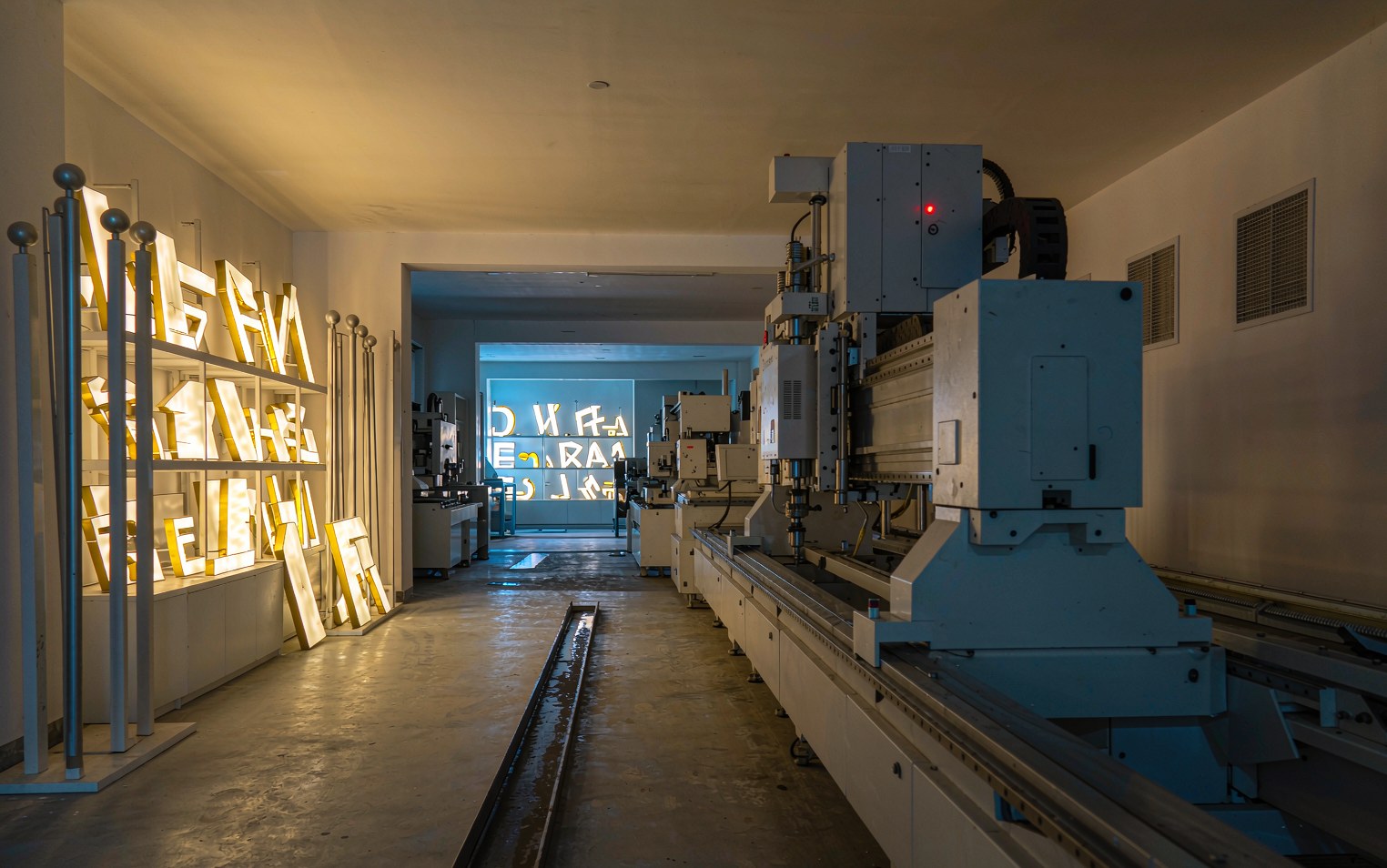
Our team designs, fabricates, and installs illuminated channel letters and lightbox signage from a 5,000-plus square meter facility in Guangzhou, with export experience across more than 30 countries. Review our solutions and capabilities, see how our Guangzhou factory operates, or compare front-lit and halo-lit letters. When you are ready, request a quote or contact us.







