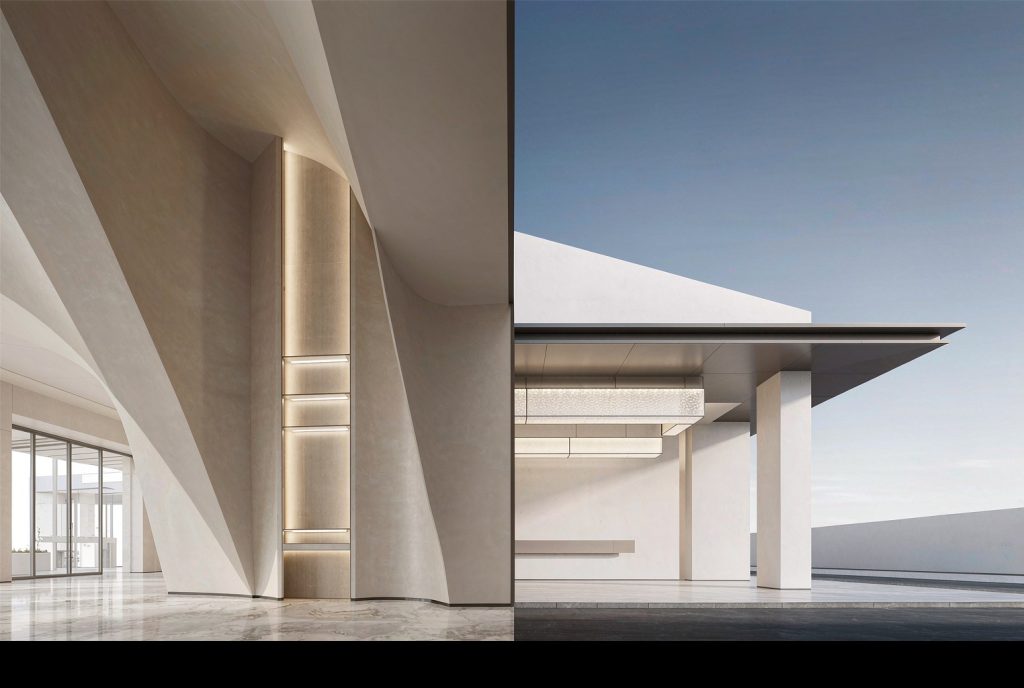
The phrase “commercial signage” hides two very different products. Indoor signage lives in a controlled, gentle environment where finish and legibility rule. Outdoor signage lives outside, fighting sun, rain, and temperature, where survival is the first requirement. Treating them as one category is a common and expensive mistake. This article compares indoor and outdoor commercial signage on the things that actually decide performance.
The environment sets the spec
Indoor signage deals with stable temperature, no rain, and controlled light. That frees the specification to focus on appearance and reading comfort. Outdoor signage has to be weatherproof and UV resistant first, because a panel that fades or fogs within a season fails its basic job. The environment, not the brand, sets the floor for the materials.
Indoor: finish and wayfinding
Inside, the signage is part of the architecture. Choosing indoor business signs is about matching the fit-out: a lobby feature that echoes the building’s material story, and an interior architectural signage system that acts as the ultimate wayfinding system, guiding people with consistent pictograms and placement. Glare and fingerprint resistance matter more than weather sealing.
Outdoor: durability and light
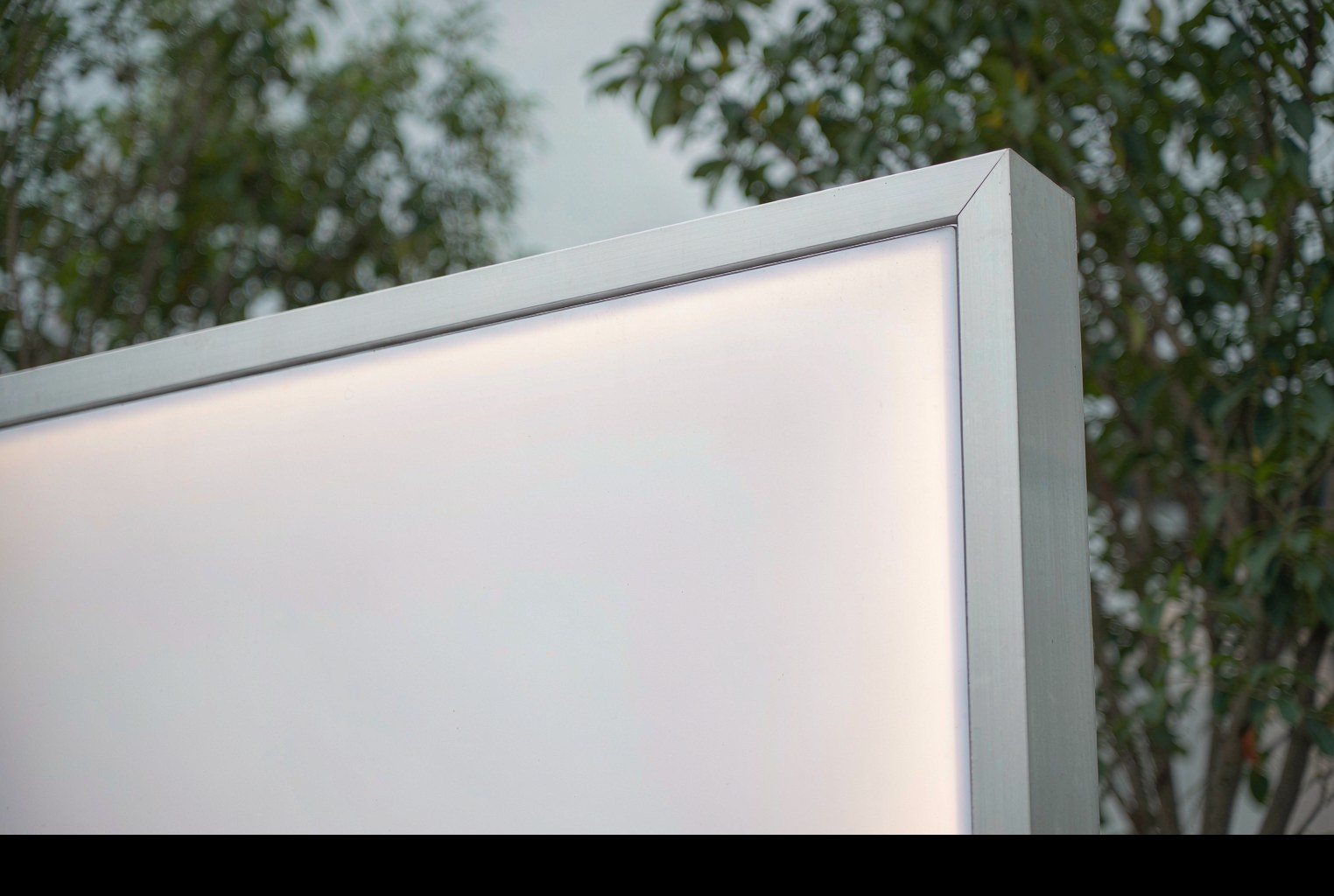
An exterior architectural sign system has to shed water, resist UV, and stay lit. Sealed edges, UV-stable graphics, and a 48-hour LED aging test before shipment keep it reliable, while an IP65 rating protects the electronics. How outdoor storefront signs influence sales volume is measurable: a clear, lit, well-placed sign pulls more walk-ins, so outdoor signage is as much a revenue tool as a brand one.
Materials overlap, priorities differ
Both domains use brushed stainless, satin aluminum, and acrylic. Indoors those choices are about look and touch. Outdoors the same materials are chosen for corrosion resistance and weatherability. The material does not change; the reason for choosing it does.
Frequently asked questions
Can indoor and outdoor signs use the same materials?
Often yes, but the priority flips: indoors it is finish and legibility, outdoors it is weatherproofing and UV resistance.
What makes an outdoor sign last?
Sealed edges, UV-stable graphics, an IP65 rating for lit units, and a 48-hour LED aging test before shipment.
Does outdoor signage affect sales?
Yes. A clear, lit, well-placed storefront sign measurably increases walk-in traffic.
How long is fabrication?
After design approval, fabrication typically fits within a 10 to 25 working day lead time, shaped by scope and finish.
Should one supplier handle both?
Keeping design, fabrication, and installation together keeps the indoor and outdoor programs consistent.
Specify for the environment
The right commercial signage program respects that indoor and outdoor are different briefs. Match the indoor signs to the architecture and the outdoor signs to the weather, and both will still be doing their job years later.
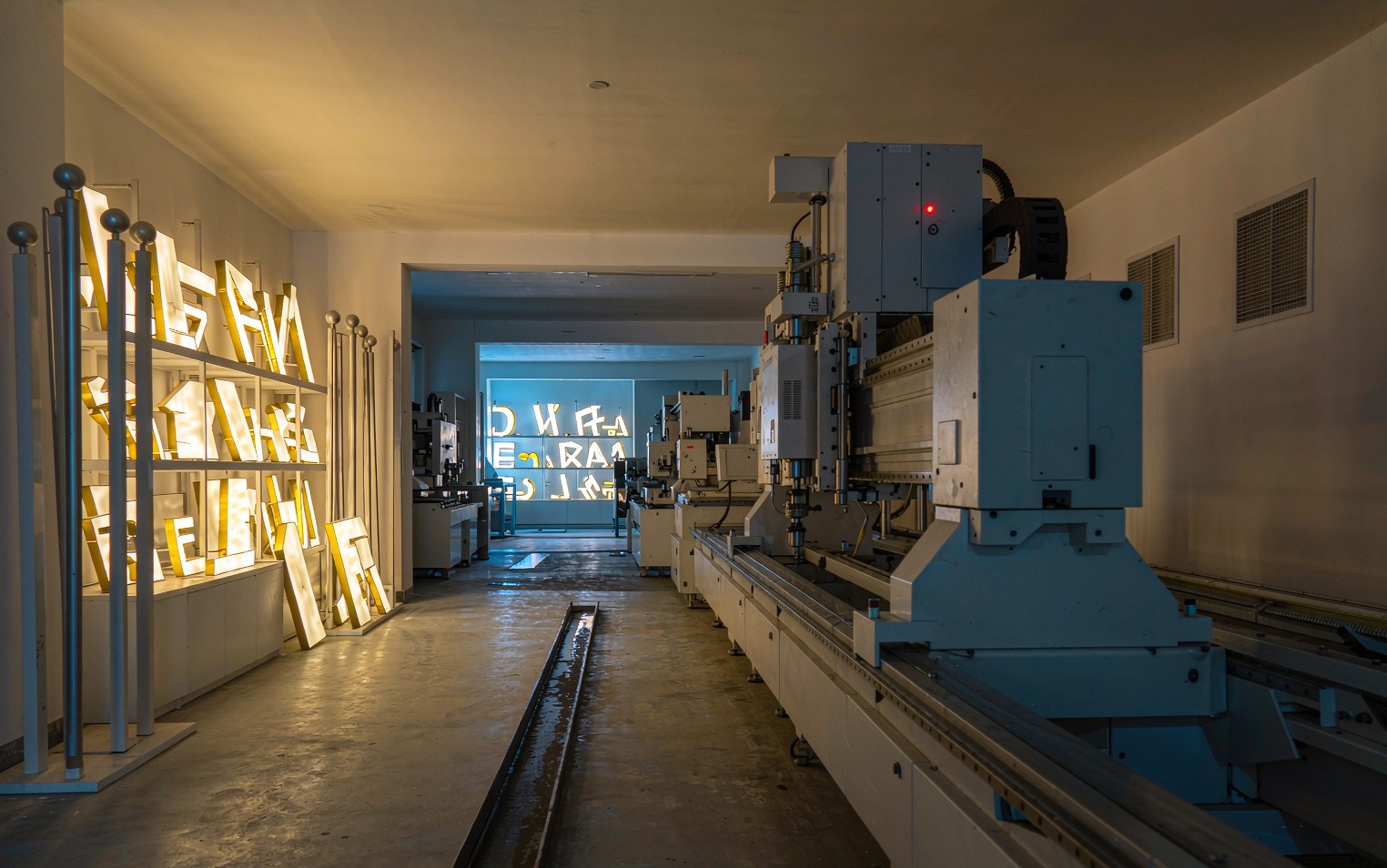
Our team designs, fabricates, and installs indoor and outdoor signage from a 5,000-plus square meter facility in Guangzhou, with export experience across more than 30 countries. Review our solutions and capabilities, see how our Guangzhou factory operates, or read about front-lit and halo-lit letters. When you are ready, request a quote or contact us.







