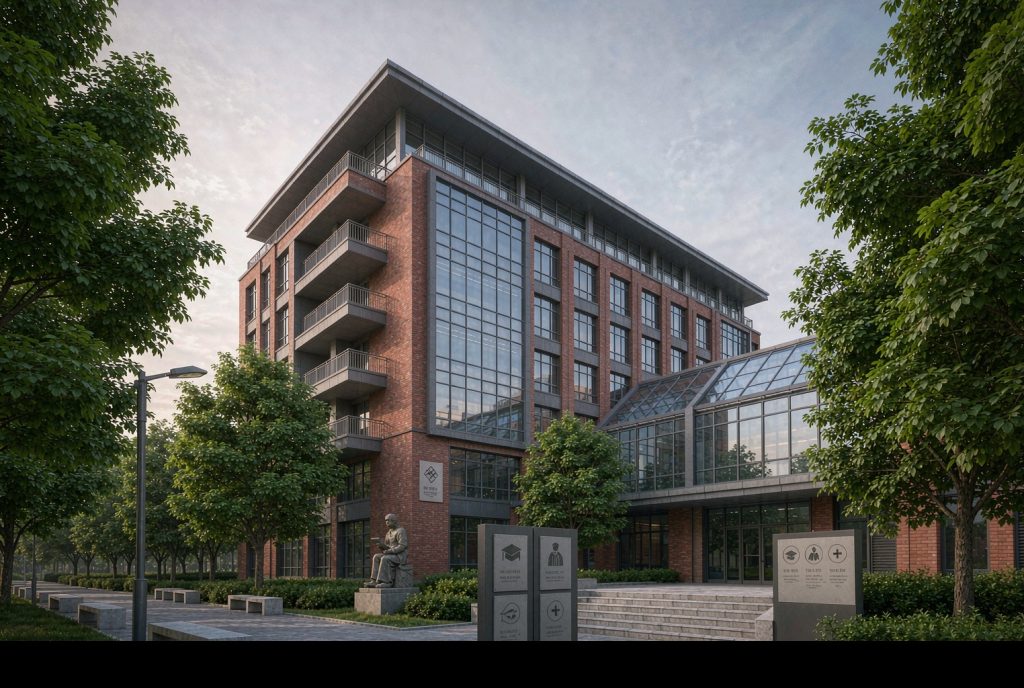
A school or university campus is a signage stress test. The signs are touched by children, bumped by trolleys, cleaned constantly, and expected to stay legible for years on a tight budget. At the same time, an education campus has a duty of care that goes beyond appearance: signs must be safe, low-glare, and accessible to every student, including those with low vision. This article looks at how durable, considerate signage is specified for an education environment.
Durability is the first requirement
Education signage lives a hard life. Corridors are busy, courtyards are exposed, and nameplates are touched constantly. The specification has to favor materials that take that punishment: satin aluminum and sealed acrylic resist dents and cleaning chemicals, while secure fixings stop signs working loose in high-traffic areas. A sign that looks fine at handover but scuffs within a term is a poor investment for a budget that has to stretch.
Safety and low glare
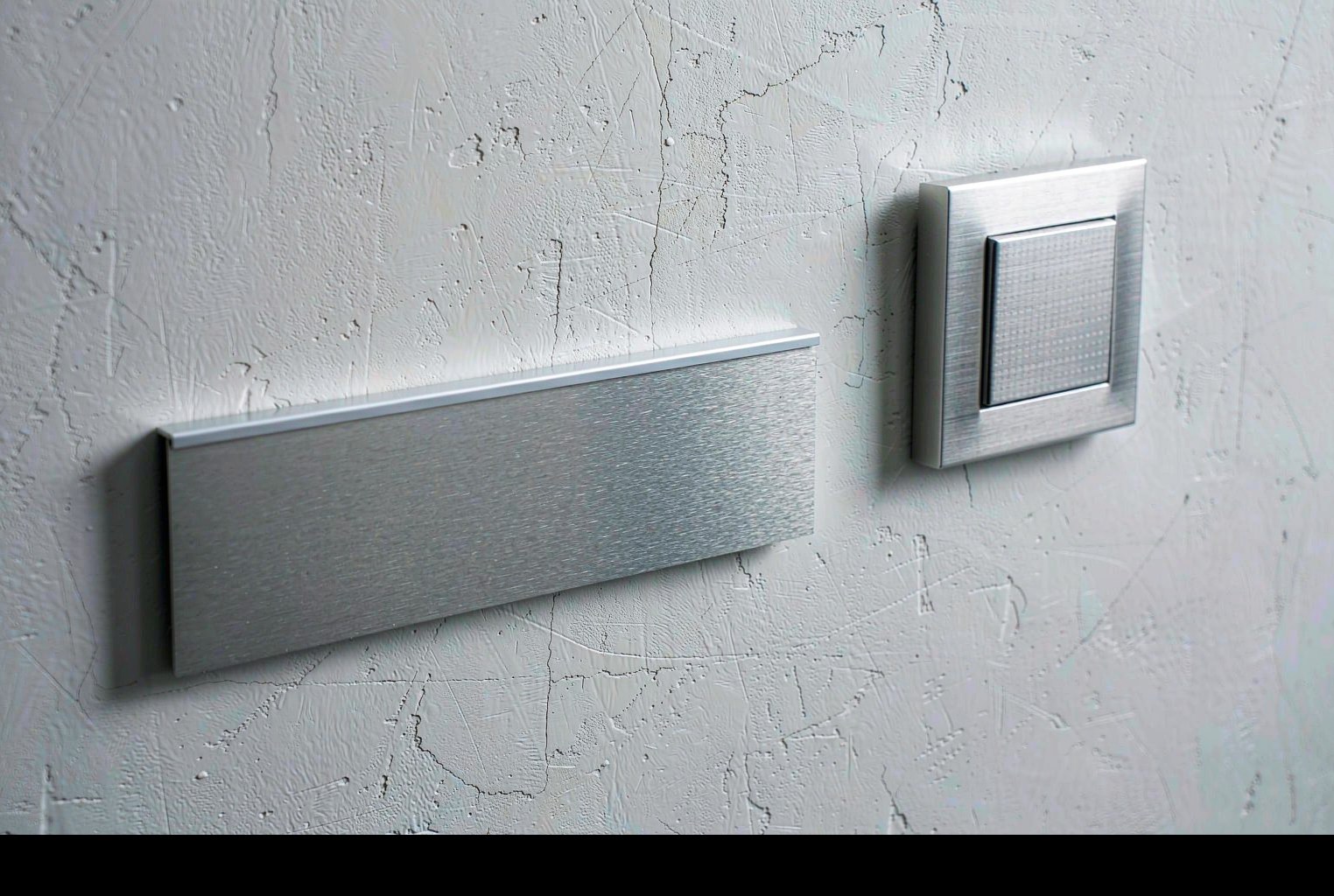
Where children are involved, safe edges and secure mountings are non-negotiable. Glare is a quieter issue but just as important in a learning space. A glossy sign under corridor lighting can throw reflections that make the message harder to read, exactly when a student is already running late and flustered. Matte and satin finishes keep information calm and legible.
Accessibility for every student
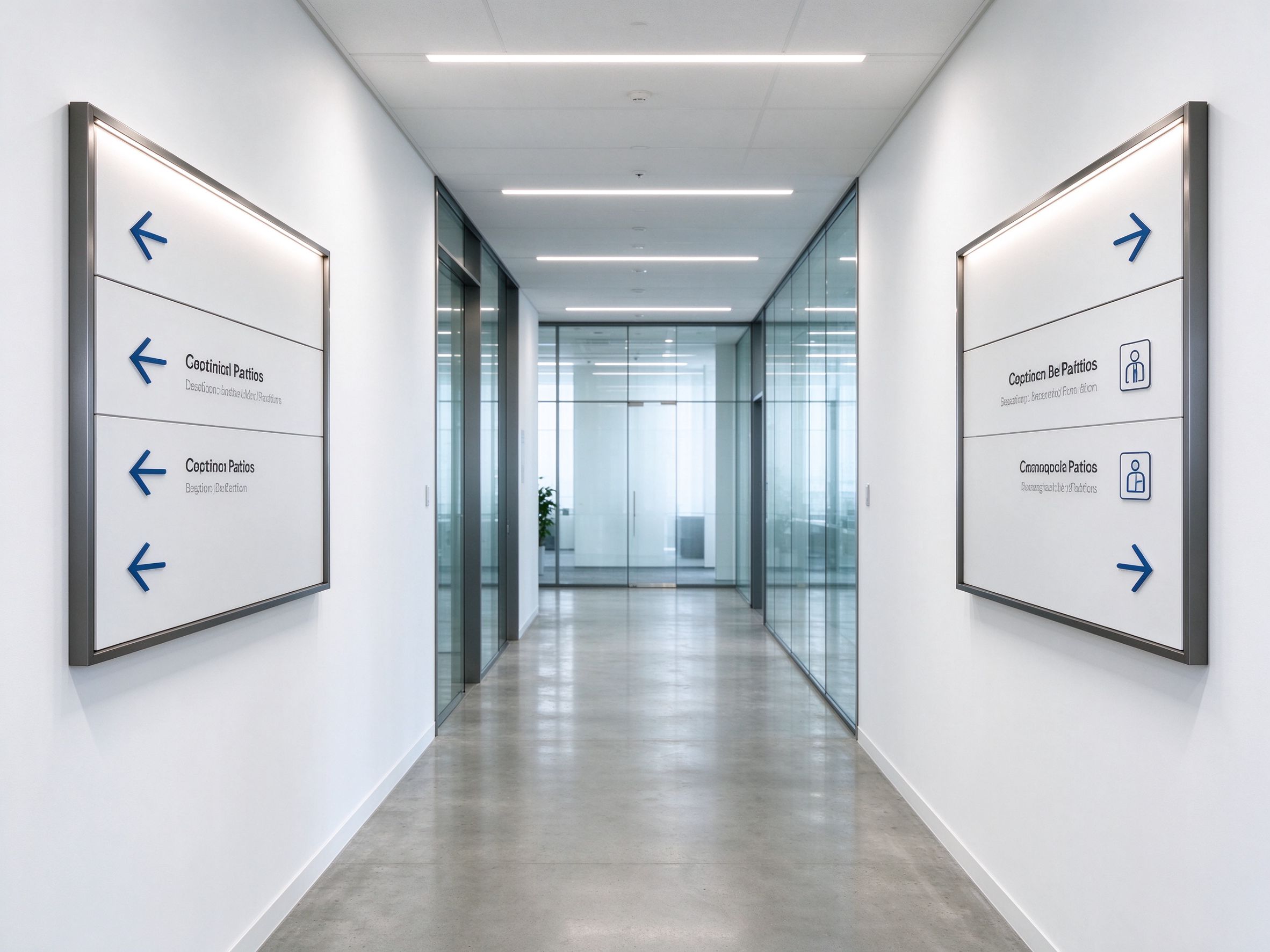
An inclusive campus meets students where they are. High-contrast pairings help older eyes and poor lighting. Universal pictograms help visitors and younger children who may not read fluently yet. Where regulations require it, tactile characters and braille extend access to students and staff with low vision. Accessibility is not a separate track; it is built into the same sign program from the start.
Maintenance that fits a school calendar
Campuses plan maintenance around term breaks, not signage convenience. Signs that are easy to clean, easy to repair, and modular enough to update a room name without replacing a whole panel save real money over time. Designing for access and update is part of designing for a school’s actual life.
Frequently asked questions
What materials suit a school environment?
Satin aluminum and sealed acrylic resist daily wear and cleaning chemicals, and secure fixings keep signs safe in busy corridors.
How do you reduce glare in classrooms and corridors?
Matte and satin finishes avoid the reflections that glossy signs throw under artificial light, keeping messages legible.
Can signage be made accessible?
Yes. High-contrast design, universal pictograms, and tactile or braille elements where required build inclusion into the same program.
How long is fabrication?
After design approval, fabrication typically sits within a 10 to 25 working day lead time, with the window set by scope and finish.
Can one supplier handle design, build, and install?
Yes. Keeping consultation, design, fabrication, and installation with one partner keeps an education program consistent and accountable.
Start your campus signage program
Education signage is judged less on flair than on whether it still works, safely and legibly, years after installation. Specifying for durability, low glare, and access is what gets a campus there.
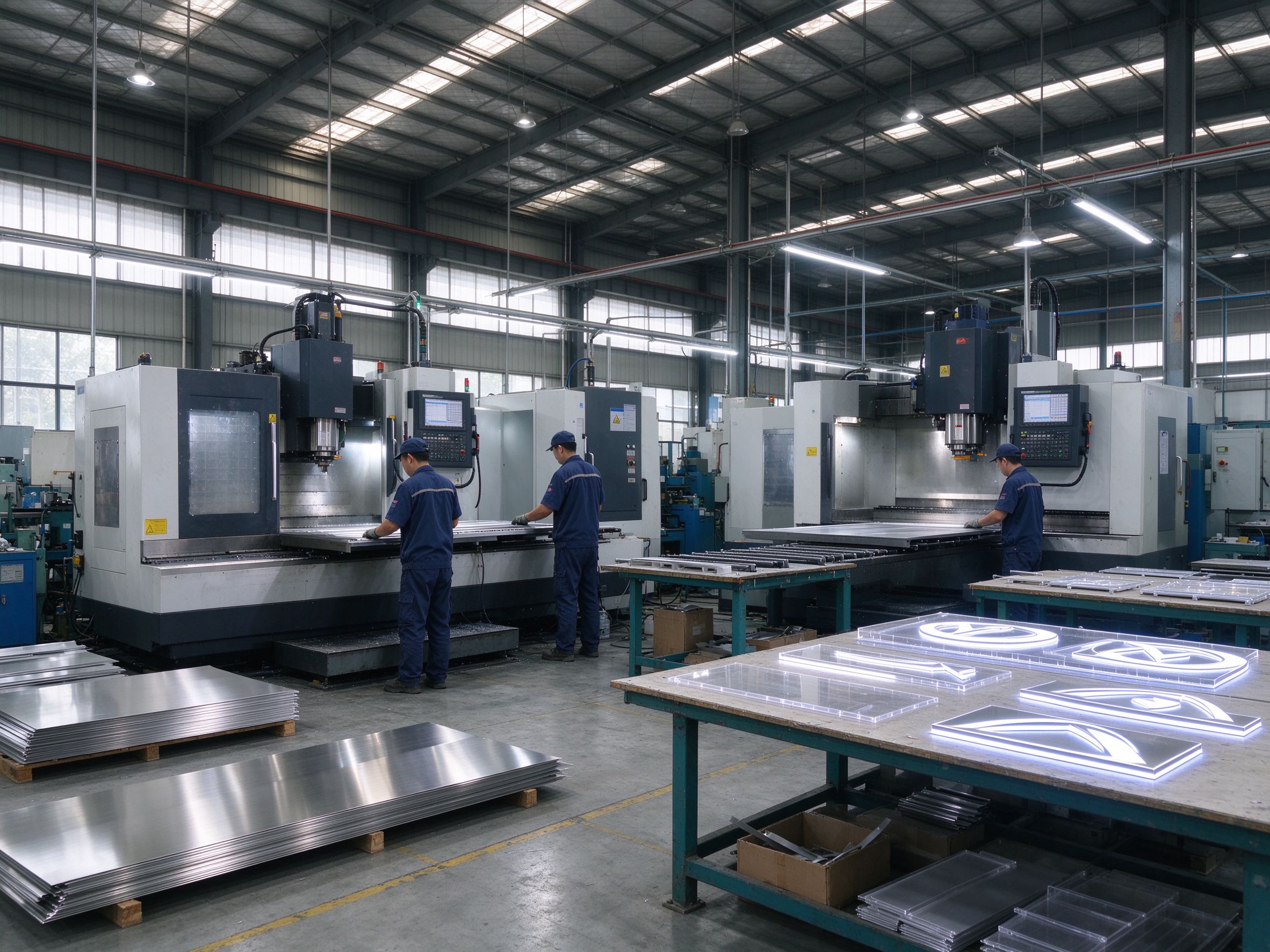
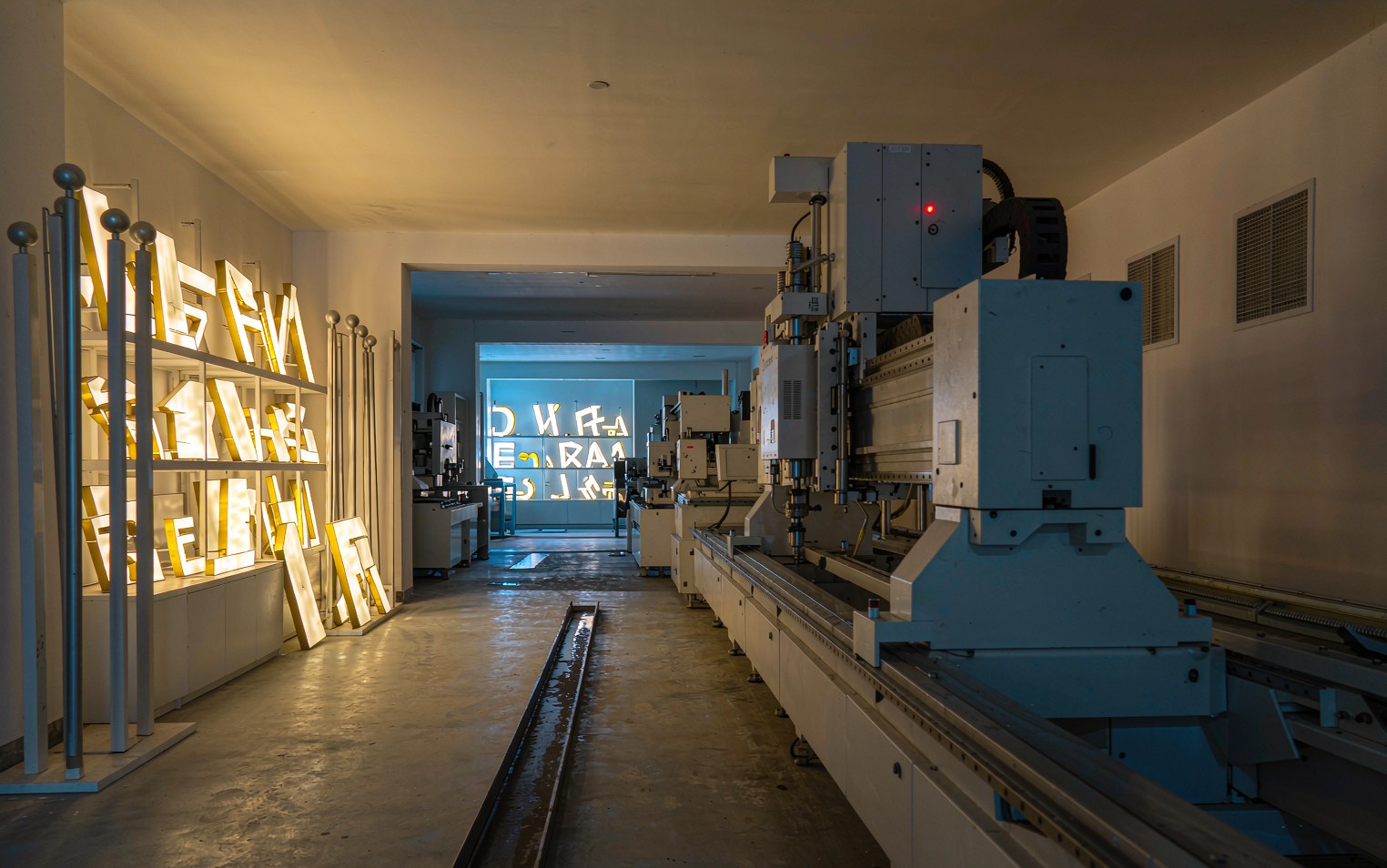
Our team designs, fabricates, and installs signage and nameplates from a 5,000-plus square meter facility in Guangzhou, with export experience across more than 30 countries. Review our solutions and capabilities, see how our Guangzhou factory operates, or read about campus wayfinding and illuminated letters. When you are ready, request a quote or contact us.