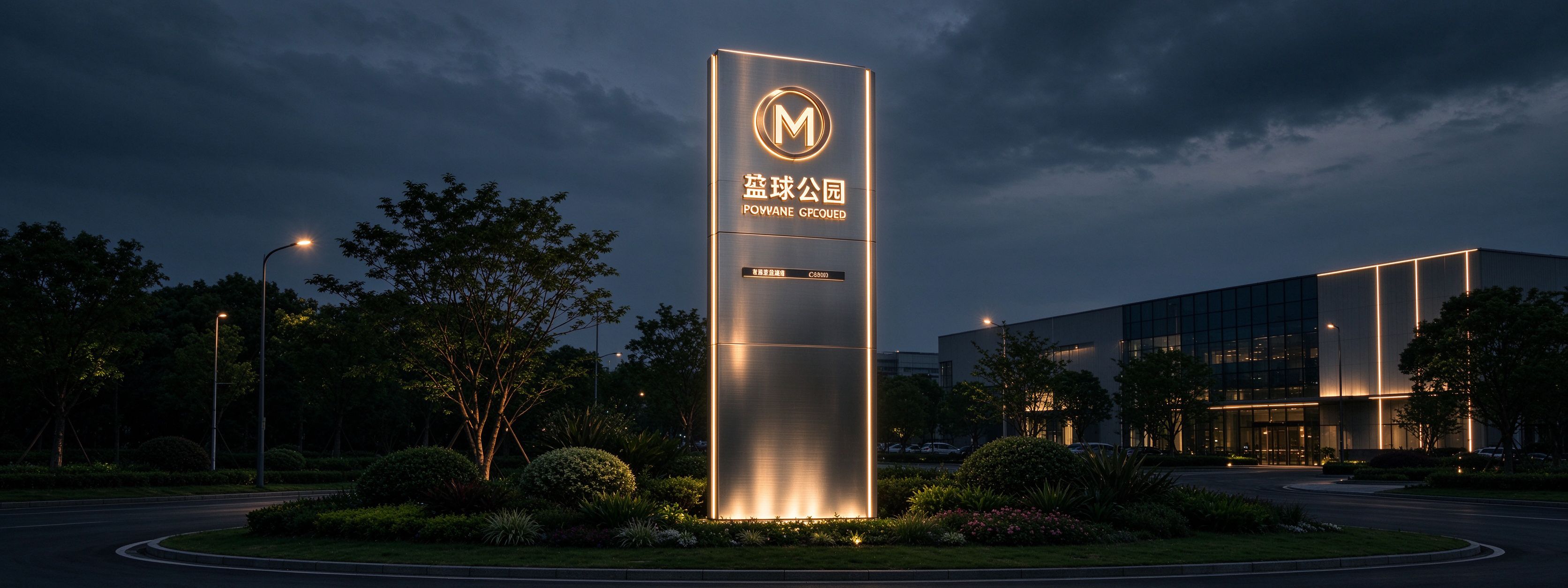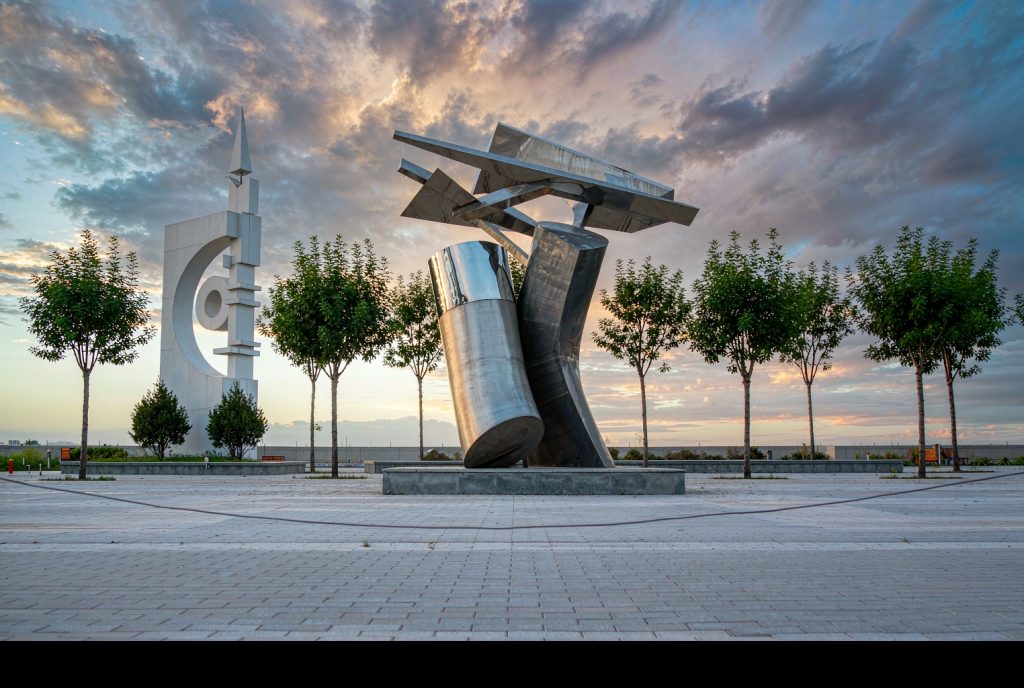
A public plaza sculpture is the bravest thing a city or developer can commission. Unlike a sign, it carries no instruction. Its job is to give a place an identity and a reason to be photographed, and it has to do that while standing outdoors, unsupervised, for decades. Behind every successful public artwork is a great deal of unnoticed engineering. This article looks at how a fabricated sculpture moves from concept to a safe, lasting installation.
Engineering before art
A sculpture that looks effortless is usually the most engineered object on the site. Wind load, center of gravity, and foundation design decide whether it stands through a storm and straight through a decade. Large fabricated forms also expand and contract with temperature, so the structure has to allow for movement without cracking or loosening. The engineering is what lets the art appear casual.
Fabrication tolerances
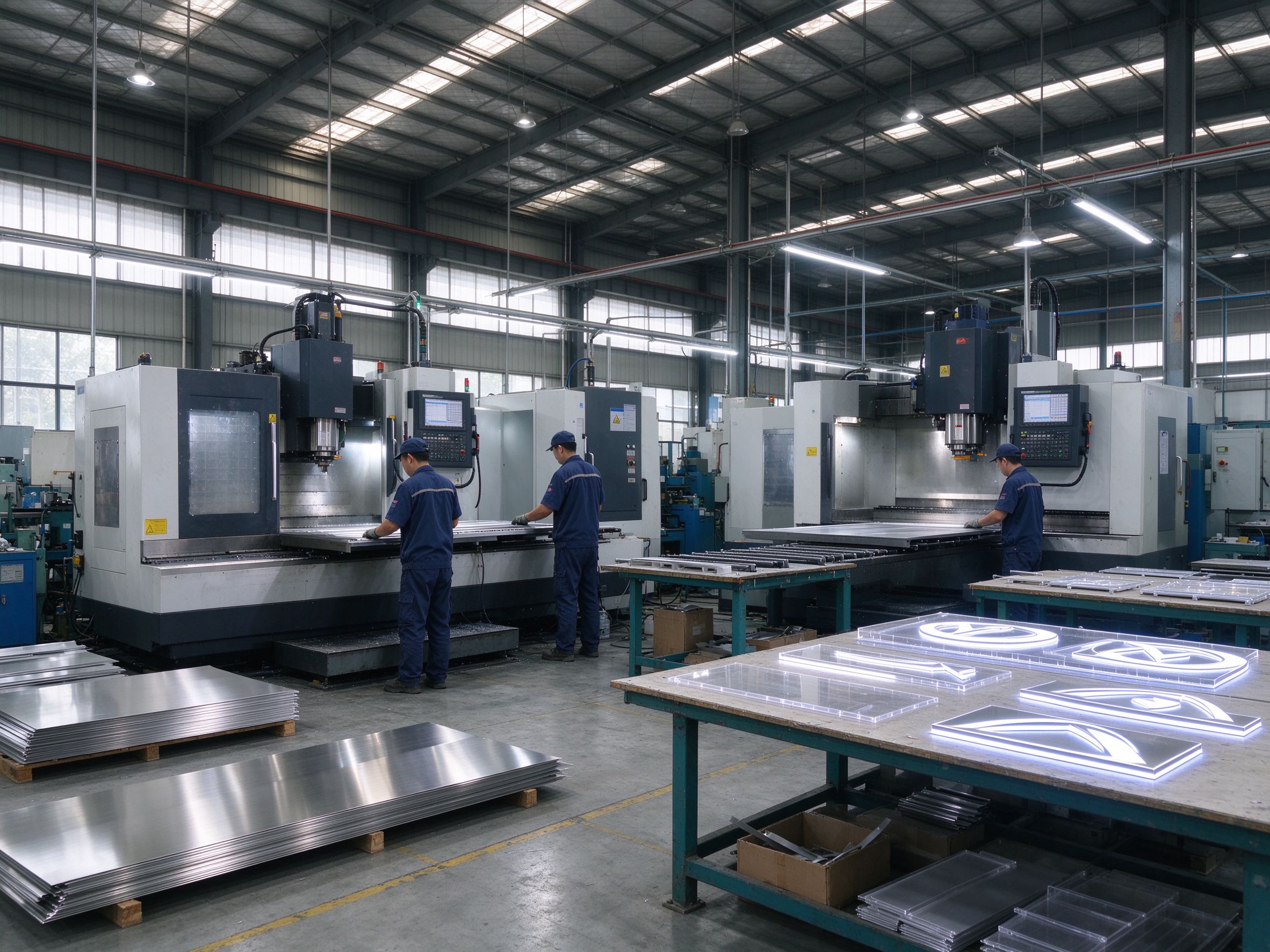
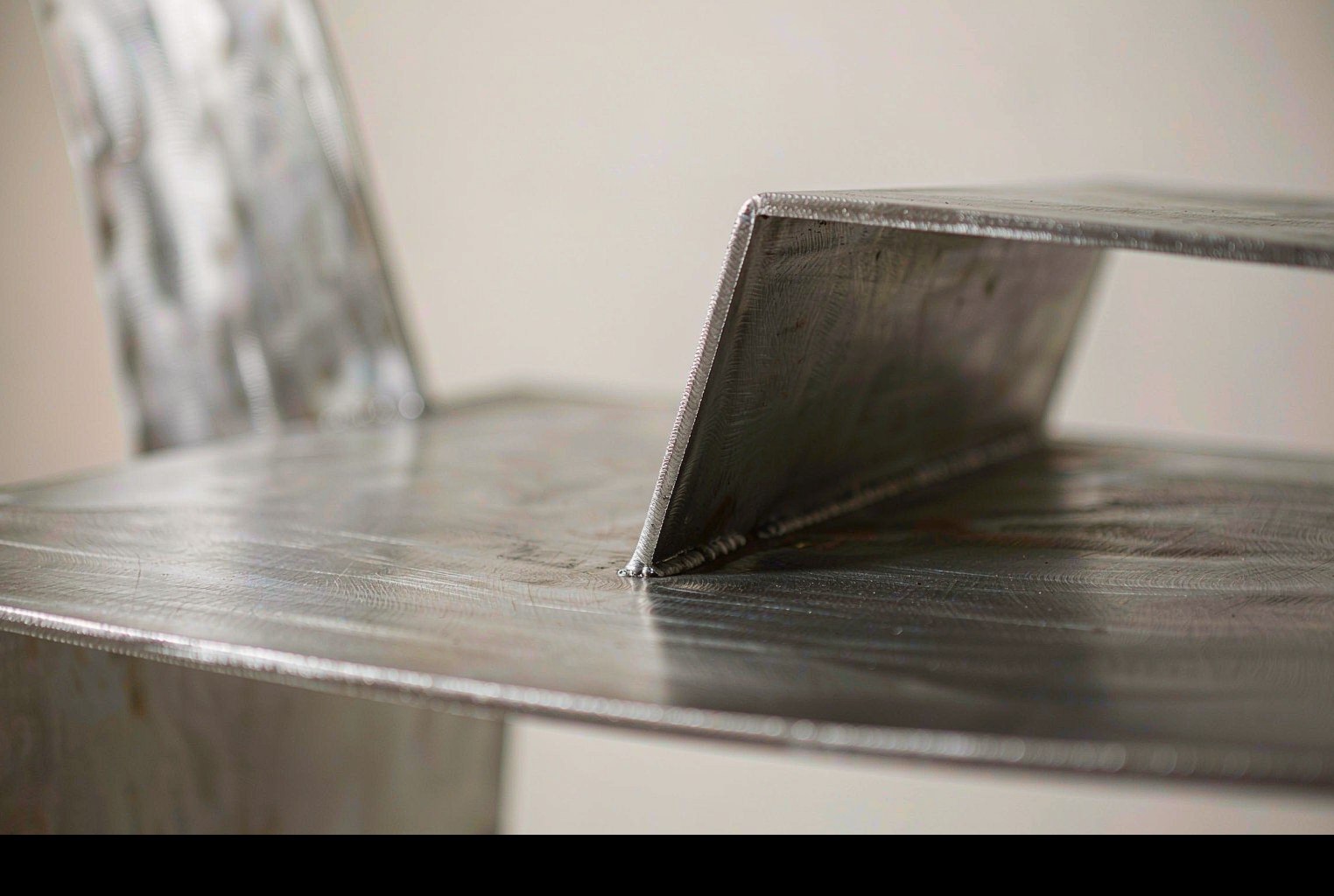
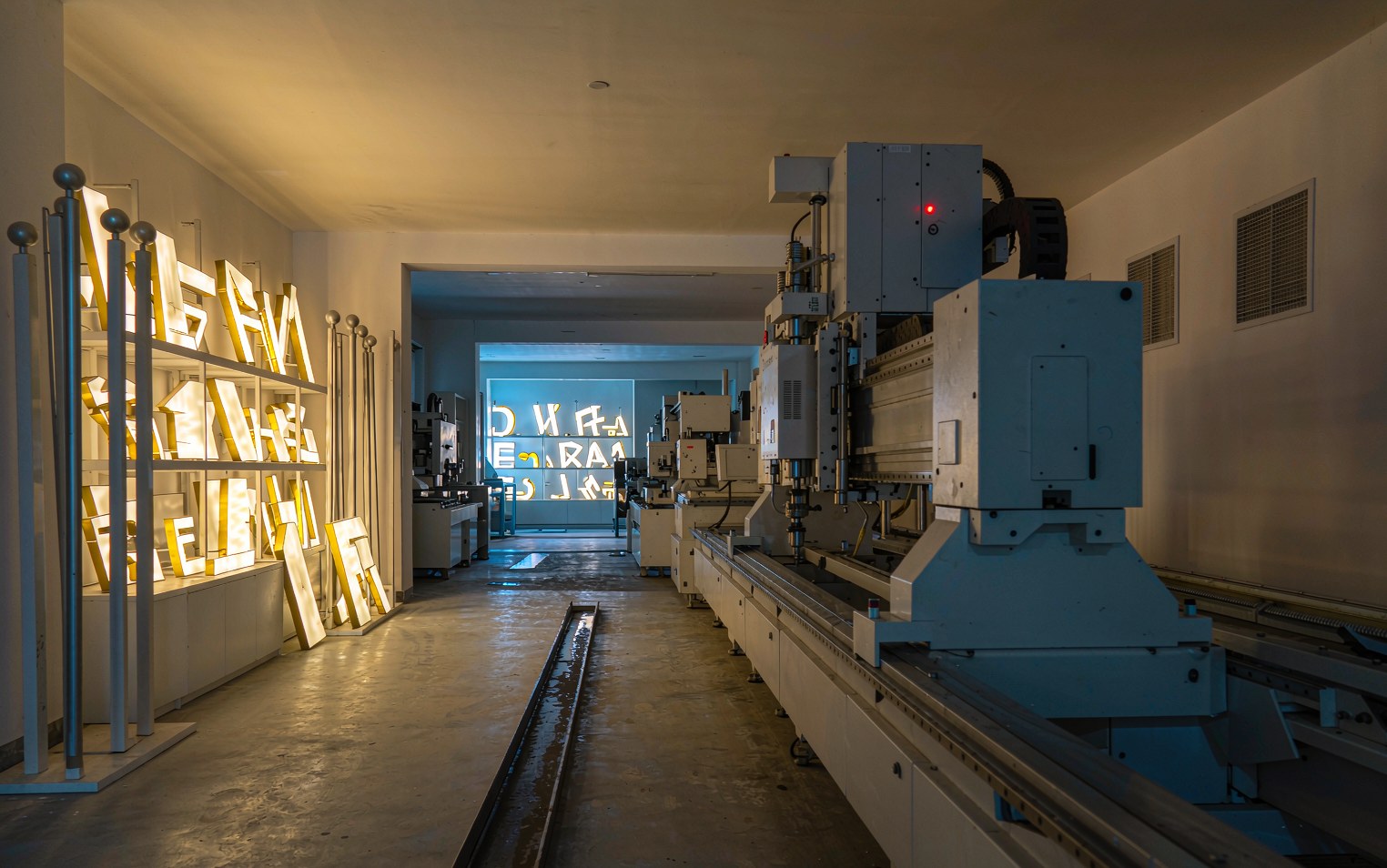
Public artwork is judged up close by thousands of people, so fabrication tolerances matter. Clean welded seams, consistent brush direction, and concealed fixings separate a professional piece from a rough one. Working in a controlled fabrication environment, with CNC cutting and skilled finishing, is how those tolerances are held across a large form.
Safe installation
Installing a heavy public artwork is a separate discipline from making it. Lifting plans, certified fixings, and a foundation poured to spec turn a drawing into something that is safe to stand beneath. The same partner that fabricates the piece is best placed to install it, because they understand its load paths intimately.
Frequently asked questions
How is a sculpture engineered to last outdoors?
Wind load, center of gravity, and foundation design are calculated up front, and the structure allows for thermal movement so it stays sound for decades.
Why do fabrication tolerances matter?
Public pieces are seen up close by many people, so clean seams, consistent finish, and concealed fixings decide whether the work reads as professional.
Who should install it?
The fabricator is best placed to install, since they know the load paths and fixing requirements of the piece they built.
How long is fabrication?
After design approval, fabrication typically fits within a 10 to 25 working day lead time, shaped by scale and complexity.
Are the products certified?
Work is built to CE, UL, and ISO expectations and has been supplied to projects across more than 30 countries.
Start your public art project
A public sculpture is remembered for decades, so the engineering and fabrication behind it deserve as much care as the concept. Getting both right is what lets the art appear effortless.
Our team designs, fabricates, and installs public and architectural features from a 5,000-plus square meter facility in Guangzhou, with export experience across more than 30 countries. Review our solutions and capabilities, see how our Guangzhou factory operates, or read about campus wayfinding and illuminated letters. When you are ready, request a quote or contact us.